
Sisyphus: Sisyphus is a legendary king from Greek mythology, known for his cunning and defiance against the gods.
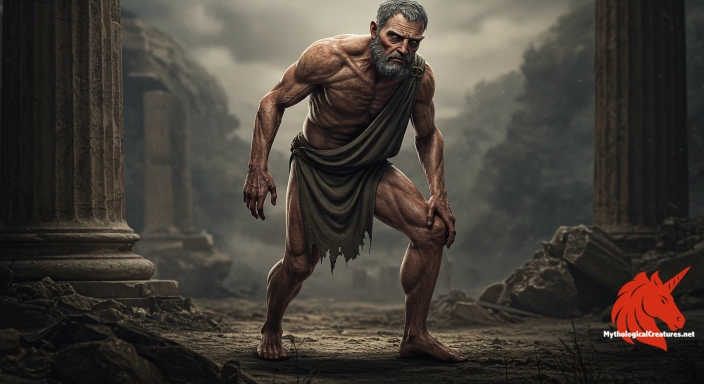
Sisyphus
Sisyphus - His eternal punishment and endless labor have come to symbolize the futility of defiance against fate.
the legend in five swipes.
the legend in five swipes.
How did the legend of Sisyphus begin?
Sisyphus stands as one of the most compelling figures in Greek mythology, revered and reviled for his cunning and audacity. Born into a noble lineage, he founded Ephyra, later known as Corinth, and reigned with both wisdom and a touch of hubris. His narrative first emerges from early Greek texts, where his clever, sometimes deceitful, nature captivates audiences. A man of impressive intellect, Sisyphus dared to outwit the gods, an act that has cemented his legacy in myth as a symbol of mortal defiance. His act of revealing Zeus’s secret abduction of Aegina set off a chain reaction that led to his eternal condemnation. Beyond his initial role as a ruler, his myth evolved into a broader commentary on the consequences of challenging divine authority. His story intertwines themes of ambition, betrayal, and punishment, resonating across generations as a timeless moral fable. The figure of Sisyphus thus provides a rich exploration of the interplay between human frailty and the inexorable power of fate. His enduring myth continues to spark debate about the nature of punishment and the limits of human endurance. In a cultural context, Sisyphus not only illuminates the darker sides of ambition but also mirrors the perennial struggle against overwhelming odds.
Sisyphus: The Written Sources
The narrative of Sisyphus is preserved in a variety of ancient sources that outline his remarkable life and his infamous downfall. Classical texts by Hesiod, Homer, and later Ovid recount his deceptive exploits and his eventual punishment with vivid detail. Some fragments from lost works further hint at variations in his portrayal, providing subtle nuances that underscore his clever nature. In these stories, Sisyphus is often depicted as a man whose intelligence defies even the gods, a recurring theme that has rightfully earned him both admiration and condemnation. Different versions of the myth discuss how he managed to delay death, with some suggesting he deceived Thanatos himself, while others focus on his political cunning as a king. Roman adaptations of his tale sometimes emphasise the moral lessons of hubris and divine retribution, thereby enriching the tapestry of his myth. Variations in the storytelling highlight the flexible nature of myth-making in ancient times, where oral tradition allowed for diverse renditions. Through these sources, Sisyphus emerges not merely as a cautionary tale but as a multifaceted figure whose exploits continue to inspire reflection. The enduring nature of these ancient texts ensures that each generation can find new layers of meaning in his story. This wide range of accounts testifies to the complexity and adaptability of Sisyphus’s myth within the classical canon.
What could Sisyphus do?
Although ancient texts focus more on his deeds than his appearance, Sisyphus is frequently depicted in art as a robust and determined figure marked by his physical resilience. His visage is often rendered with a strong, chiseled face that reflects both nobility and the weariness of his eternal burden. Classical sculptures and paintings portray him as muscular and dignified, attributes that underscore his formidable status as a king. He is typically illustrated with a furrowed brow and intense eyes that suggest a mind burdened by perpetual regret and defiance. The traditional iconography often includes a thick, flowing beard and wavy hair, elements that symbolise wisdom and the passage of time. In many representations, his body is shown straining under the weight of a colossal boulder, a poignant image that captures the essence of his punishment. There is a sense of both physical labour and metaphysical struggle evident in his posture, signifying his interminable battle against fate. Some artistic depictions even suggest a subtle vulnerability beneath his hardened exterior, hinting at the sorrow of his eternal task. His image, therefore, is a blend of regal authority and tragic endurance, making him an enduring symbol of human endeavour against overwhelming odds. The varied artistic portrayals of Sisyphus serve to remind us that physical resilience and emotional turmoil can coexist in the face of divine punishment.
How do regional versions of Sisyphus differ?
Sisyphus’s myth, though firmly rooted in ancient Greek lore, has been subject to a range of regional reinterpretations over the centuries. Within the Greek world, particularly in Corinth and the surrounding areas, he was revered as both a foundational ruler and a cunning figure whose defiance against the gods carried deep moral implications. In the Hellenistic period, local art and literature reimagined his character, sometimes depicting him with an air of tragic nobility in addition to his notorious deceit. Roman adaptations leaned more heavily on the allegory of endless labour, reinforcing the notion of futility that the myth embodies. In Eastern European literature, for instance, Sisyphus’s struggle has been recast as a metaphor for the existential dread encountered during times of socio-political upheaval. Local adaptations within the Mediterranean often emphasise the civic accomplishments of his early reign, while concurrently acknowledging the bitter consequences of his later transgressions. Regional festivals and artworks have occasionally celebrated the dual aspects of his character: his visionary leadership and his ultimate, inescapable punishment. These diverse interpretations have enriched the myth, illustrating how a single narrative can acquire multiple layers of meaning across different cultural landscapes. The regional evolution of Sisyphus’s story demonstrates how local traditions can influence and alter the perception of mythological figures. His tale, therefore, is as much a product of local myth-making as it is a timeless narrative of divine retribution.
Does another culture have a figure like Sisyphus?
In the broader spectrum of mythology, Sisyphus finds himself in a company of figures whose fates are marked by eternal punishment or repetitive, futile endeavours. Like Tantalus, whose longing is forever unfulfilled, or Ixion, condemned to spin in a ceaseless cycle, Sisyphus epitomises the harsh consequences of defying divine order. His narrative resonates with themes found in numerous cultures, where tricksters and rebels face retribution for their audacity. In some traditions, the motif of endless labour appears as a metaphor in both literary and visual arts, drawing parallels between suffering and the human condition. The existential reflections evoked by his myth are akin to the allegories presented in Eastern philosophies, albeit with a distinctly Greco-Roman flavour. Comparatively, his story has been juxtaposed with that of Prometheus, another figure who suffers by outwitting the gods for the benefit of humanity. Such comparisons underscore a recurrent cultural fascination with the conflict between human ingenuity and the inescapable might of the divine. His myth also invites comparisons with modern narratives of absurdity and relentless struggle, providing a rich field for interdisciplinary analysis. The enduring nature of the Sisyphus myth in comparative mythology highlights its universal appeal as both a cautionary tale and a celebration of indomitable spirit. Each parallel drawn with other legends further illuminates the broad cultural implications of eternal endeavour and moral consequence.
Where do you see Sisyphus today?
Over the centuries, the myth of Sisyphus has evolved from a stark warning against hubris to a multifaceted symbol of enduring human spirit and existential struggle. Ancient audiences viewed his tale as a potent reminder of the severe repercussions of defying divine power, a narrative that was both didactic and awe-inspiring. During the Renaissance, artists and thinkers revived his story, imbuing it with rich metaphors about the nature of human effort and the pursuit of meaning. In modern philosophy, particularly through the lens of existentialism, Sisyphus has come to represent the absurdity of life and the perpetual struggle to create purpose in a seemingly indifferent universe. His image appears in literature, film, and art as a powerful allegory for the challenges of modern life, where repeated, Sisyphean tasks evoke both frustration and endurance. Contemporary reinterpretations often highlight the irony inherent in the myth, viewing his punishment as both a curse and a form of defiant resilience. Political and social commentaries have also co-opted his legacy as a metaphor for endless bureaucratic or mill labour, reflecting the cyclic nature of modern existence. Thus, Sisyphus endures not only as a fixture in mythological studies but also as a dynamic symbol in the narrative of human perseverance. His transformation over time mirrors society’s evolving understanding of struggle, inevitability, and the quest for meaning. Even now, the enduring appeal of Sisyphus’s tale challenges us to confront our own endless tasks with courage and reflection.
Interesting Fact
The enduring legacy of Sisyphus lies in how his eternal struggle has influenced not just literature and art, but also modern psychology and philosophy in contemplating the human condition.
Mythological Treasures
Greek Myths: A field guide to the monsters of ancient Greece
Every monster here earned its place in legend, and each gets a full page of artwork and the story behind it.
Norse Sagas: A field guide to the beasts of the Viking world
Drawn from the saga accounts themselves, with the powers, weaknesses and doom of each being set out.
Egyptian Legends: A field guide to the gods and monsters of ancient Egypt
Guardians of the living and devourers of the dead, with the role each played in judgement.
the legend in five swipes.
For authors, artists, and makers
Created something from the realm of myth?
If your book, deck, game, or artwork draws from legendary creatures and lore, you can showcase it here in a tasteful, year-round placement.
Share your projectQuick Creature Info
Origin:
Features:
Associations:
Our Mythic Legendary Rating:

Also Sometimes Known As:
Habitat:
Supernatural Powers:
Abilities:
Behavior:
Weaknesses:
Lore:
Related Creatures, Tales or Lore
- TTantalus
- PPrometheus
References
Discover Another Mythical Legend You May Not Have Heard Of?
Uncover the mysteries of ancient folklore and expand your knowledge of legendary beings from cultures around the world.
Dare to Meet the Kitsune....

The Mythological Creatures Book Series
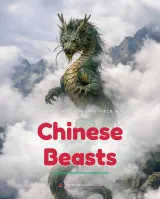
Yokai, Greek, Norse, Egyptian & Chinese. Five illustrated field guides to the creatures the old stories either warned or told you about.

Curated by the Mythological Creatures Team
Series editor: Mythological Creatures Directory
Primary desk: Hellenic & Ancient Mediterranean Desk
(rev. November 2025)