
Skuld: Skuld is one of the three Norns in Norse mythology, responsible for determining fate.
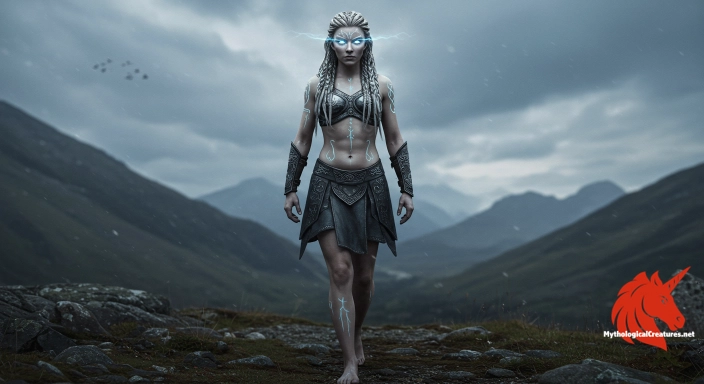
Skuld
Skuld - Skuld is a key figure in determining fate, embodying the inevitability and impartiality of destiny in Norse mythology.
Origins & First Encounters
Skuld emerges as a central figure in the tapestry of Norse mythology, representing a force that intertwines destiny with the burden of obligation. Her very name, echoing notions of debt and responsibility, hints at the deep-seated expectations held by those who trust in fate. In the intricate legends of the Norse, she forms part of a triad alongside Urðr and Verðandi, whose combined power determines the lives and destinies of both gods and mortals. Rooted in an ancient Scandinavian worldview, her origins are shrouded in mystery as well as reverence for forces beyond mortal control. Early attestations place her firmly within the poetic tradition, linking her to the timeless interplay of the past, present, and future. The cultural context that gave birth to her myth celebrated both honour and the inescapable course of destiny. Her narrative is interwoven with themes of cosmic balance, where even the gods submit to the decrees of fate. At times portrayed in heroic contexts, Skuld exudes both a fierce determination and an enigmatic benevolence. Ultimately, her dual roles as a fate-weaver and a Valkyrie enrich her character, ensuring that she continues to captivate the imagination of those who study Norse lore.
Source Texts & Tale Variants
Skuld’s myth is preserved in a number of medieval texts and lyrical poems that have intrigued scholars for centuries. The surviving literature, though fragmentary at times, includes references where she is intertwined with the fabric of destiny and exalted as a force in battle. In certain poems, her presence as a Valkyrie is unmistakable, blurring traditional boundaries between the roles of fate-weaver and warrior. Diverse narrative strands have emerged across sources, with some texts spotlighting her control over future events while others hint at an air of enigmatic inevitability. The sparse yet potent references have led to varying interpretations that affirm her influence over mortal and divine affairs alike. Oral traditions and later skaldic verses further enriched her story, allowing regional storytellers to reimagine her character in ways that resonate with their cultural milieu. Each variant not only reflects the mutable nature of oral lore but also emphasises her integral role as a guardian of destiny. As her myth was passed down through generations, subtle shifts in her portrayal attest to the evolving demands of narrative and symbolism. These poetic sources ensure that her legacy continues to evoke both mystery and admiration in the realm of Norse myth.
Form & Powers
Skuld’s physical depiction in myth is as complex as it is evocative, merging elements of wisdom with the vigour of a combative spirit. Images of her often blend the archetype of the venerable fate-weaver with that of a lithe and formidable warrior. In many artistic interpretations, she is shown draped in flowing, somber robes that evoke the shifting light of dusk and the relentless passage of time. Her eyes are frequently described as penetrating, as though they discern the intricate threads of destiny long before they materialise. Some representations adorn her in intricately detailed armour, embellished with runic symbols that speak of fate and divine order. Other depictions merge the traditional with the martial, sometimes portraying her with a spindle in one hand and a sword in the other. The variability in her portrayal suggests that her appearance was not fixed but adapted to the narrative at hand—sometimes as an aged, wise figure, and at other times as a vibrant maiden of battle. This fluidity underscores the interplay between life and destiny in Norse mythology. Overall, the visual iconography associated with Skuld continues to inspire reinterpretations, keeping her image dynamic and resonant with timeless power.
Regional Faces
Across the varied landscapes of Scandinavia, the interpretation of Skuld shifts subtly to reflect local cultural traditions and historical experiences. In Iceland, for instance, she is sometimes portrayed with a gentler, almost maternal quality, emphasising a natural cyclical order of cause and effect in human affairs. Communities in other parts of Scandinavia integrate local folklore into her narrative, resulting in depictions that are imbued with regional symbolism. In the colder, harsher climes of the north, artists and storytellers have reimagined her as a spectral guide whose presence mirrors the stark inevitability of winter. Traditions rooted in Viking culture tend to cast her in a more stern and uncompromising light, symbolising the acceptance of fate as both duty and destiny. Contrasts emerge when comparing Danish and Swedish renditions, where her myth interlaces with heroic epics and the valor of warrior spirits. Modern Scandinavian literature continues to invoke her image, often exploring multifaceted themes of redemption, duty, and destiny. Through these variations, Skuld becomes a canvas upon which local identities and cultural narratives are projected. Each regional interpretation enriches her myth, ensuring that she remains a living symbol of cosmic order and personal obligation.
Cultural Parallels
Skuld occupies a unique position in mythology, inviting comparisons with similar figures in other cultural traditions who govern the threads of fate. Her role resonates with the Greek Moirai, where the fates themselves weave the destinies of mortals with both artistry and implacability. Much like the Roman Parcae, she embodies the inevitable progression of life towards its final conclusion. In blending the roles of fate-weaver and warrior, her image mirrors elements found in other mythological traditions that seek to reconcile divine intervention with human endeavour. The duality of her nature can be juxtaposed with figures like the Valkyries, who in later accounts also balance the forces of destiny with the martial charge of battle. More broadly, her portrayal speaks to a universal archetype found in many cultures: a deity or spirit who enforces the inescapable laws of time and obligation. This comparative lens not only highlights the common themes shared across disparate mythologies but also brings into focus the unique attributes that define Nordic conceptions of fate. By considering these analogues, one can appreciate how cultural contexts shape the narrative of destiny and the symbolic roles of such figures. In this light, Skuld becomes a bridge between diverse mythological worlds, embracing both shared human concerns and uniquely Scandinavian visions of fate.
Legacy & Modern Evolution
Over the centuries, Skuld’s evolution from a mythic enigma to a modern cultural icon reflects the enduring allure of Norse legends. Her portrayal has transformed significantly, moving away from purely archaic recitations to embrace roles in contemporary literature, art, and even film. In modern adaptations, she is often depicted as a multifaceted figure who straddles the boundaries between destiny and self-determination. The Romantic period, with its fascination for medieval lore, revived interest in her story and reframed her as both a harbinger of fate and a symbol of personal accountability. This renewed interest paved the way for her inclusion in various narratives that explore the tension between free will and prescribed destiny. Contemporary visual artists and writers frequently reimagine her as a powerful embodiment of inevitability, blending ancient myth with modern philosophical musings. Her dual identity as both a steward of fate and a resolute warrior continues to inspire creative reinterpretations that resonate with today's audiences. As new media channels emerge, Skuld’s image is continually reshaped, ensuring that her myth remains vibrant and relevant. The modern legacy of Skuld is a testament to the timeless power of myth, reaffirming that ancient narratives can adapt and thrive in ever-changing cultural landscapes.
Interesting Fact
Skuld’s name not only signifies 'debt' or 'obligation', but it also subtly hints at the moral and cosmic duties that underpin the unfolding of fate in Norse mythology.
For serious myth projects
Feature your work alongside the legends
From academic works to story-rich games, we highlight projects that respect world mythologies. Talk to us about a measured, long-term placement.
Start a conversationQuick Creature Info
Origin:
Our Mythic Legendary Rating:

Habitat:
Supernatural Powers:
Physical Attributes:
Abilities:
Behavior:
Lore:
Related Creatures, Tales or Lore
- UUrðr
- VVerðandi
- MMoirai (Greek Fates)
References
Discover Another Mythical Legend You May Not Have Heard Of?
Uncover the mysteries of ancient folklore and expand your knowledge of legendary beings from cultures around the world.
Dare to Meet the Rhinemaidens....
Curated by the Mythological Creatures Team
Series editor: Mythological Creatures Directory
Primary desk: Northern & European Folklore Desk
(rev. November 2025)