
Sluagh: The Sluagh are a spectral host of unforgiven dead souls from Irish and Scottish folklore.
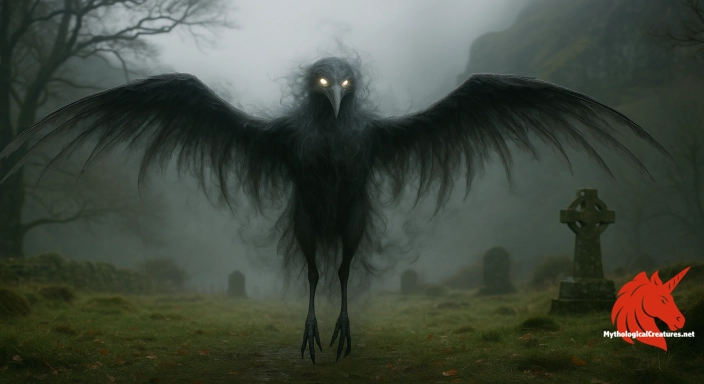
Sluagh
Sluagh - The Sluagh serve as ominous omens of death, representing souls denied peace and acting as both a threat and, at times, an inadvertent saviour in folklore narratives.
Origins & First Encounters
The Sluagh are enigmatic entities that have inhabited Celtic lore for centuries, emerging from the depths of ancient Irish and Scottish myth. Their origins lie in a time when the boundary between the living and the dead was considered porous and mystical, a belief embedded in early Celtic traditions. Early attestations of these spirits appear in oral narratives and fragmented texts that capture the eerie procession of unquiet souls. The notion of a spectral host composed of the unforgiven dead resonated deeply in communities where life and death were intertwined in everyday reality.
Over successive generations, the Sluagh evolved into powerful symbols of both warning and wonder, embodying the unresolved conflicts of the mortal realm. Their presence in myth served as a somber reminder that the past can never be fully exorcised. These spectral forces, at times depicted as both dangerous and strangely compelling, occupy a unique space that challenges the linear progression of time. The enduring legacy of their legend continues to stir the imagination, making the Sluagh a fascinating study in cultural memory and the mystique of the afterlife.
Source Texts & Tale Variants
Ancient manuscripts and oral traditions have long captured the haunting image of the Sluagh, offering a tapestry of accounts that span generations. Early Irish texts provide fragmented glimpses of a ghostly host whose appearance on moonlit nights sent tremors through local communities. Local ballads and folklore recount encounters that warn against traversing lonely paths, especially when the veil between worlds grows thin. Seasonal accounts, particularly those linked with Hallowe'en, further weave the Sluagh into the fabric of communal celebrations and taboos.
Scottish Gaelic sources enhance the narrative with variations that reveal a complex interplay between benevolence and malevolence. Storytellers across the isles have recounted versions where the Sluagh, though often ominous, occasionally display an unexpected tenderness amidst their otherwise fearsome reputation. Other regional legends emphasise their role as harbingers of fate, adding layers of mysticism and unpredictability to their character. These diverse story variants highlight the mutable nature of myth, where each retelling adds nuance to the spectral legacy of the Sluagh.
Form & Powers
Visual depictions of the Sluagh characterise them as a shifting mass of shadows and spectral light, often appearing as a crescent-shaped flock that soars silently against the night sky. They are typically rendered as ghostly birds with muted tones of grey and silver that lend them an ephemeral quality. Observers have sometimes noted that this spectral host seems to shimmer, as if composed of countless restless souls woven together in flight. The elusive nature of the Sluagh allows them to dissolve into the darkness, making their exact form as transient as the memories of those they have wronged.
Some narratives suggest that individual members can exhibit fleeting corporeal features, such as eyes that glow with a soft, otherworldly light or wisps of mist that betray their former human essence. Their movements are described as fluid and coordinated, as if orchestrated by an unseen force with a singular, ghastly purpose. The dramatic interplay of light and shadow in their appearance reinforces the suspense and dread that surrounds any encounter with them. Such rich physical descriptions have helped secure the Sluagh’s place as one of the most visually arresting and emotionally charged figures in Celtic folklore.
Regional Faces
Across the Celtic landscape, the portrayal of the Sluagh differs markedly to suit local beliefs and traditions. In Ireland, these spectral hosts are often seen as the souls of those who met untimely ends, destined to wander as a collective force that haunts the fringes of the living world. Rural communities describe them as ominous harbingers whose sudden appearances presage both calamitous events and natural transitions. This interpretation is interlaced with the belief that the boundaries between life and death are particularly fragile in certain landscapes and at specific times of the year.
In contrast, Scottish accounts sometimes imbue the Sluagh with a dual nature, portraying them as both punitive agents and, on rare occasions, as unwilling saviours to those in mortal peril. Coastal and island traditions offer vivid localised variations, where the Sluagh might be seen moving with the restless winds or as part of an eerie ballet on stormy nights. Each region adapts the core mythology to reflect its own cultural fears, rites, and natural surroundings, resulting in a spectrum of narratives that enhance the overall mystery. These regional adaptations underscore the flexibility of myth as it responds to the unique needs and imaginations of diverse communities.
Cultural Parallels
Examining the Sluagh alongside similar mythological beings reveals striking parallels in the way cultures articulate their collective fears of death and the unknown. Much like the spectral cavalcades seen in the Wild Hunt traditions of Northern Europe, the Sluagh evoke the image of an unstoppable force that traverses the heavens. Norse mythology’s Draugr and other undead entities share common traits with the Sluagh, as both represent the idea of the unquiet dead who have not found peace. Such comparisons highlight a recurring motif: the transformation of human souls into ominous spectres that defy the natural order of life and death.
Further parallels can be drawn with Slavic legends and Mediterranean ghostly processions, where the living are warned against interfering with the realms beyond. The complex portrayal of these beings—part punitive force, part tragic remnant of human experience—serves as a universal metaphor for the consequences of unresolved existence. The shared thematic elements across these diverse cultures emphasise the human fascination with what lies beyond mortal life. This cross-cultural examination reinforces how myth uses similar narrative tools to explore the profound mysteries of mortality, fate, and redemption.
Legacy & Modern Evolution
Over the centuries, the portrayal of the Sluagh has transformed, reflecting a broader change in how societies view death and the supernatural. Initially regarded as fearsome spirits exacting cosmic retribution, they have gradually become emblematic of unresolved pasts and the tragic beauty of restless souls. In historical accounts, their ominous arrival was woven into the fabric of everyday life, serving as a chilling reminder of the thin line between safety and peril. The evolution of their myth captures the dynamic interplay between ancient superstitions and the gradual shift towards a more nuanced understanding of mortality.
Modern cultural depictions, ranging from literature and film to visual arts, have breathed new life into the legend of the Sluagh. Contemporary narratives often balance terror with empathy, portraying them as allegorical figures caught in a perpetual state of limbo. These reinterpretations invite audiences to reflect on the timeless nature of guilt, loss, and the human condition. The lasting impact of the Sluagh is a testament to the enduring power of myth, as they continue to inspire both awe and introspection in an ever-changing world.
Interesting Fact
An intriguing aspect of the Sluagh is that, despite their overwhelmingly ominous reputation, some folklore hints that being taken by them might represent a paradoxical release from the tribulations of mortal life.
Limited sponsor opportunity
One slot, carefully chosen partners
We only feature a small number of relevant sponsors at any time. If you create serious myth content, we would like to hear from you.
Partner with usQuick Creature Info
Features:
Associations:
Our Mythic Legendary Rating:

Also Sometimes Known As:
Habitat:
Supernatural Powers:
Physical Attributes:
Abilities:
Behavior:
Lore:
References
Discover Another Mythical Legend You May Not Have Heard Of?
Uncover the mysteries of ancient folklore and expand your knowledge of legendary beings from cultures around the world.
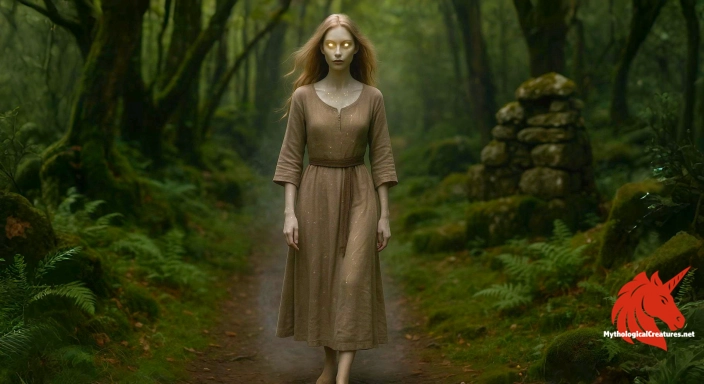
Dare to Meet the Leanan sídhe....
Curated by the Mythological Creatures Team
Series editor: Mythological Creatures Directory
Primary desk: Northern & European Folklore Desk
(rev. November 2025)