
Sons of Ivaldi: The Sons of Ivaldi are mythological dwarfs famed for their extraordinary craftsmanship in Norse lore.

Sons of Ivaldi
Sons of Ivaldi - Their masterful creations have had a lasting impact on Norse mythology, providing gods with tools and symbols of power.
the legend in five swipes.
the legend in five swipes.
The First Records of the Sons of Ivaldi
The Sons of Ivaldi stand out as one of Norse mythology’s most intriguing and subtly portrayed groups, renowned for their unparalleled craftsmanship in forging magical artifacts. Born of a tradition where skill and enchantment blend seamlessly, they appear early in mythic narratives as master smiths whose contributions were vital to the divine order. Their creations shaped the destinies of gods, providing Freyr with the miraculous ship Skíðblaðnir, Odin with the infallible spear Gungnir, and Sif with the enchanted golden hair. Although the ancient texts leave their exact numbers and names shrouded in mystery, their reputation as the progenitors of excellence in artisanry resonates powerfully. Their origins are intertwined with the enigmatic figure Ivaldi, suggesting either a familial bond or a legacy of masterful teaching. Mysticism surrounds their brief mentions in skaldic verses, further deepening their allure within the lore. The Sons of Ivaldi embody the union of natural talent and supernatural magic, standing as a testament to the creative prowess revered throughout Norse tradition. As guardians of a secret craft, their presence continues to fuel both academic intrigue and the imaginations of modern enthusiasts.
Which books and scrolls describe the Sons of Ivaldi?
The primary accounts of the Sons of Ivaldi are scattered across various early Norse texts, with the Skáldskaparmál offering the most detailed glimpse into their legendary output. In this source, their skill is highlighted through the exquisite objects they fashioned, which later set the stage for another celebrated contest among the divine craftsmen. The sparse reference in Grímnismál adds to their mystique by mentioning their handiwork on Skíðblaðnir without further elaboration on their identities. Further complexity is introduced in the eddic poem Hrafnagaldur Óðins, where familial links are drawn, suggesting that the artistic lineage extended even to figures like Idunn. These classical texts present variant story-lines, some hinting at a dual lineage through different maternal figures, which enriches their mythic background. Multiple layers within these sources have subsequently sparked diverse interpretations, with some scholars proposing that their brief mentions carry profound symbolic weight. The delicate interplay between fact and folklore in these texts encourages a view of the Sons of Ivaldi not merely as artisans but as enigmatic figures whose lives are interwoven with fate and fortune. The fragmentary nature of the evidence has led to a spectrum of story variants, each contributing to the enduring legacy of these mythic dwarfs.
Sons of Ivaldi: Appearance and Abilities
While the ancient sources rarely delve into detailed physical descriptions of the Sons of Ivaldi, traditional imagery of Norse dwarfs allows us to fill in the gaps with richly evocative details. They are often envisioned as compact, robust figures with a deliberate strength that belies their diminutive size. Their skin, weathered from life in subterranean forges, is thought to carry an earthy hue, reminiscent of the ores and metals they so skilfully wield. Deep-set eyes, intense and focused, are imagined as portals to the secret fires of their craft, glowing faintly in the gloom of underground halls. The weight of tradition has them depicted with thick, intricately braided beards that testify to their age-old wisdom in artisanry. Calloused and steady hands, honed by years of working molten metal and stone, add a tactile realism to their representation. Although modern reinterpretations vary, many artistic renditions capture them in utilitarian attire, such as leather aprons and simple tunics that afford freedom of movement in their rugged, cave-like workshops. Subtle variations in build suggest that, like their legendary works, each brother might have possessed unique attributes that contributed to their collective excellence.
Sons of Ivaldi: The Same Figure in Different Places
Regional interpretations of the Sons of Ivaldi reveal a fascinating tapestry of local colour and cultural adaptation within the broader Norse tradition. In Scandinavian lore, they are celebrated as quintessential dwarven smiths whose otherworldly skills were integral to the divine economy of gods and heroes. Icelandic sagas, in particular, tend to envelop these figures in layers of mystery, often portraying them as reclusive artisans dwelling in the hidden recesses of mountains and earth. In some northern rural narratives, hints of a mischievous streak are attributed to them, aligning with the ambivalent character that dwarfs sometimes embody in folklore. These local adaptations often embellish their roles with distinctive artisan motifs that echo regional aesthetic sensibilities and natural landscapes. The interplay between the grim solidity of the underground and the ethereal brilliance of their creations has encouraged a variety of artistic and literary portrayals. Even as modern cultural retellings simplify their image for contemporary audiences, echoes of their original, regionally nuanced portrayals continue to influence local myth-making traditions. Ultimately, these regional variations underscore the dynamic nature of myth, where a core legendary identity is reinterpreted to resonate with local cultural memories and values.
Sons of Ivaldi: Parallels in Other Cultures
When compared with similar figures across global mythologies, the Sons of Ivaldi resonate as emblematic of the archetypal master craftsman found in numerous cultural traditions. They share similarities with the legendary smiths of Celtic lore, whose mystic forges also birthed artefacts of monumental significance and enchanted beauty. In Germanic traditions, the image of the dwarf artisan is a recurring theme, closely mirroring the skill and secretive lifestyle epitomised by these Norse figures. Comparisons can also be drawn with the dwarfs of later literary traditions, such as those in modern fantasy or even the multifaceted characters portrayed in Tolkien’s works, where the blend of artistic genius and mysticism is a common denominator. Further afield, echoes of their transformative power can be found in the mythic smith Hephaestus of Greek lore, despite differences in cultural context and narrative style. This cross-cultural comparison highlights a universal recognition of the art of craftsmanship as a divine, almost alchemical, pursuit. The inherent mystery that surrounds the Sons of Ivaldi invites reflections on how such figures serve as bridges between the realms of mortals and deities in multiple societies. As guardians of secret creative knowledge, they contribute to a shared mythic landscape where the divine is often accessed through the medium of artistic endeavour.
Who tells the story of the Sons of Ivaldi now?
The enduring legacy of the Sons of Ivaldi illustrates a remarkable evolution from fleeting mythic figures to enduring cultural icons in the modern imagination. Their once marginal and enigmatic presence in early Norse texts has grown into a rich symbol of the power of craft and the transformative nature of artistic creation. Over time, retellings have expanded their characterisation, often casting them as archetypal dwarf artisans whose skills carry an air of mysticism and ancient wisdom. In modern fantasy literature, cinema, and art, these mythic smiths frequently surface as inspirations for characters who encapsulate both the earthy and the supernatural. Their story has been reimagined to highlight themes of ingenuity, perseverance, and the mystery that lies beneath the surface of everyday existence. Scholars and enthusiasts alike continue to debate the subtleties of their myth, ensuring that the Sons of Ivaldi remain a vibrant subject of creative reinterpretation. Contemporary portrayals often imbue them with an aesthetic that balances raw physicality with a refined, almost otherworldly mastery of the forge. The progression of their myth reflects broader cultural shifts in how ancient legends are re-contextualised, making them a timeless testament to the creative spirit that bridges past and present.
Interesting Fact
Despite being pivotal figures in the creation of many divine artifacts, the actual identities and numbers of the Sons of Ivaldi remain an enigma, spurring endless debate among scholars.
Mythological Treasures
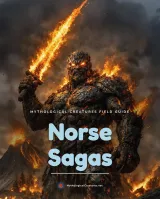
Norse Sagas: A field guide to the beasts of the Viking world
Drawn from the saga accounts themselves, with the powers, weaknesses and doom of each being set out.
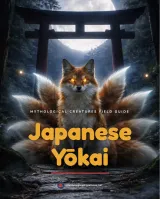
Japanese Yokai: A field guide to the spirits and demons of Japanese folklore
Fifteen spirits, with the signs to watch for and what the old tales say to do if you meet one.
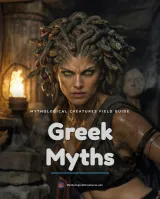
Greek Myths: A field guide to the monsters of ancient Greece
Every monster here earned its place in legend, and each gets a full page of artwork and the story behind it.
the legend in five swipes.
Support the directory
Promote your myth project and fund more research
Sponsor placements help keep this directory growing and free to use while giving your work a focused, relevant audience.
Learn how sponsorship worksQuick Creature Info
Origin:
Features:
Associations:
Our Mythic Legendary Rating:

Also Sometimes Known As:
Habitat:
Physical Attributes:
Abilities:
Behavior:
Lore:
References
Discover Another Mythical Legend You May Not Have Heard Of?
Uncover the mysteries of ancient folklore and expand your knowledge of legendary beings from cultures around the world.
Dare to Meet the Yehasuri....

The Mythological Creatures Book Series
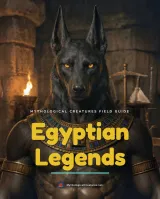
Yokai, Greek, Norse, Egyptian & Chinese. Five illustrated field guides to the creatures the old stories either warned or told you about.
Curated by the Mythological Creatures Team
Series editor: Mythological Creatures Directory
Primary desk: Northern & European Folklore Desk
(rev. November 2025)