
Brokkr: Brokkr is a dwarf from Norse mythology renowned for his exceptional skills as a master blacksmith.

Brokkr
Brokkr - Brokkr is celebrated for his crucial role in forging some of the most significant divine artefacts in Norse mythology, including Thor's hammer Mjölnir.
the legend in five swipes.
the legend in five swipes.
How old is the legend of Brokkr?
Brokkr is a renowned dwarf in Norse mythology celebrated for his exceptional metalworking skills and enduring influence on mythic craft. Born into a lineage of master smiths, his origins are deeply woven into the ancient traditions of subterranean craftsmen in the Norse cosmos. His earliest attestation appears in medieval Icelandic texts, most notably within the Skáldskaparmál, where his rivalry and wager with the trickster god Loki are vividly recounted. In the cultural milieu of the Norse, dwarfs like Brokkr were revered not merely for their masonry and metallurgy but also for their magical prowess and creative spirit. His tale is interlaced with themes of pride, perseverance, and the transformative power of art, all of which have resonated through the ages. Brokkr’s role in the forging of mythical artefacts, particularly Thor’s hammer Mjölnir, underscores his vital contribution to the divine narrative. His life, marked by industrious effort and cunning determination, reflects a society that placed high value on the skills of its lesser deities. The narrative surrounding him provides insight into the Norse worldview, where even those of small stature held the power to shape destiny. His enduring presence in myth accentuates the timeless admiration for the creative and transformative process in craftsmanship. Ultimately, Brokkr stands as an emblem of artistic genius, resonating with audiences both ancient and modern.
Which texts first mention Brokkr?
The primary narrative of Brokkr is enshrined in medieval Icelandic literature, with the Skáldskaparmál being the foremost textual source that details his legendary feats. This source recounts his wager with Loki, a tale that has become central to his mythological identity. Variations of his story appear across Norse poetic texts, where the themes of craftsmanship and supernatural skill are recurrently emphasised. Within these texts, the role of his brother Eitri and the intricate process of forging divine artefacts are elaborated through captivating narrative details. The account of the forging of Mjölnir, Gullinbursti, and Draupnir is rendered with a precision that highlights the magical interplay of art and technology. Some textual variants introduce minor differences in the portrayal of Loki’s interference and the timing of the gadfly’s interruptions, each adding a unique perspective to the myth. The ancient manuscripts and oral traditions have enriched this myth over time, allowing each retelling to offer a nuanced glimpse of his character. While the overall narrative remains consistent, these sources collectively underscore Brokkr’s pivotal role in the pantheon of Norse myths. Later folkloric adaptations further embellish his story, merging historical motifs with imaginative reinterpretations. Consequently, the multiplicity of variants ensures that Brokkr continues to fascinate scholars and enthusiasts alike as a master artisan of the divine.
Brokkr: Physical Form and Supernatural Powers
Although detailed physical descriptions of Brokkr are sparse, traditional accounts paint the image of a dwarf well-suited for the arduous demands of smithing. His stature is typically short and robust, embodying the physical resilience necessary for enduring the intense heat of his forge. The enduring marks of his lifelong labour—calloused hands and a steadfast, focused expression—are emblematic of his unyielding dedication to his craft. In many depictions, the glow of his forge seems to mirror the intensity in his eyes, suggesting both the fieriness of his work and the depth of his experience. His appearance, often portrayed with a rugged and earthy complexion, intimates the connection between his being and the subterranean realms where many Norse dwarfs were believed to dwell. The utilitarian nature of his attire, likely functional and unadorned, further echoes the practical demands of his trade rather than any ostentatious display. Even in artistic renditions, the emphasis falls on his agility and strength, essential qualities for a craftsman handling both bellows and enchanted metals. While not elaborated in extensive detail, these subtle hints portray Brokkr as a figure whose physical form is as enduring as the artefacts he helped create. His robust build and determined countenance continue to symbolise the archetype of the skilful, unyielding artisan in Norse lore. In essence, his physical attributes are a harmonious blend of strength, endurance, and the sacred art of creation.
What do different regions call Brokkr?
Across the Norse cultural sphere and its expansive geographical region, the portrayal of Brokkr experiences subtle regional nuances that lend depth to his myth. In the Icelandic tradition, which preserves many of the original oral narratives, he is depicted as a consummate artisan whose technical mastery is unsurpassed. Norwegian interpretations often accentuate his perseverance in the face of divine challenges, portraying him as both resolute and resourceful against formidable odds. Some Scandinavian variations blend his persona with local folklore about subterranean beings, thereby underscoring his connection to the earth and its hidden mysteries. In regions where the exchange of oral tradition fostered a variety of retellings, his image sometimes overlaps with that of other legendary dwarfs, each contributing qualities that enhance his mythic character. Medieval manuscripts from various parts of Scandinavia echo similar motifs yet allow for local colourations in his depiction, reflecting the community’s own values regarding labour and craftsmanship. As these narratives migrated across regions, artistic interpretations evolved, with regional artisans reimagining Brokkr in styles that resonated with local cultural aesthetics. This regional adaptation highlights the versatility of his myth, making it a shared cultural treasure while inviting each community to add its own distinctive flavour. Ultimately, the regional variations illustrate how Brokkr not only serves as a powerful mythic symbol but also adapts to the diverse folklore of the Norse world. Such differences amplify the rich tapestry of his legend, ensuring his continued relevance in various cultural contexts.
Brokkr: Related Figures Across Cultures
Brokkr occupies a unique space among mythological artisans, drawing interesting parallels with similar figures from diverse traditions. Much like the Greek Hephaestus, whose divine craftsmanship fashioned legendary weaponry and ornaments, Brokkr is celebrated for his ability to transform raw materials into objects imbued with magical significance. His story resonates with themes found in other mythic traditions, where the confluence of earthly skill and supernatural artifice produces items of immense power. The narrative of a wager over craft and precision finds echoes in other cultural myths, underscoring a universal respect for the inventive spirit inherent in master smiths. In the realm of Germanic and Celtic mythology, comparable images of diminutive yet formidable craftsmen are not uncommon, further illustrating the cross-cultural adulation of the artisan’s role. Brokkr’s bet with Loki, and his unwavering commitment to his task even amidst physical adversity, mirrors the struggles of legendary forgemasters in other myths who contend with both external and internal challenges. The interplay of magic and metallurgy in his narrative has become a recurring motif that bridges the gap between mortal ingenuity and divine capability. Through these cultural parallels, his myth reinforces the notion that the art of creation transcends specific traditions. Such comparative insights enrich our understanding of how different societies elevate the craft of metalworking to symbolic heights. In effect, Brokkr exemplifies a universal archetype where skill, resourcefulness, and perseverance converge to shape myth and reality alike.
Brokkr in Modern Culture
Brokkr’s myth has evolved considerably from its medieval origins into a modern emblem of creative ingenuity and craftsmanship. Initially grounded in the oral and written traditions of the Norse, his story endured as a cautionary tale about pride, precision, and the unforeseen consequences of divine wagers. Over centuries, his character has shifted from that of an anonymous artisan to a celebrated figure whose work underpinning legendary artefacts has captured the imagination of many. His role in the creation of objects such as Mjölnir has made him an enduring symbol in both scholarly circles and popular culture. Contemporary reinterpretations in literature, film, and comics have reimagined him as a master craftsman whose legacy informs the very identity of Nordic myth. Modern depictions often focus on the blend of magic and hard work that defines his craft, serving as a metaphor for the transformative power of art and industry. This evolution reflects broader societal shifts, where traditional myths are revisited and re-assessed through modern lenses of creativity and resilience. His enduring presence in modern media highlights the timeless allure of the mythic craftsman narrative, inspiring new generations to appreciate the intersection of myth and artistic endeavour. The legacy of Brokkr thus continues to influence not only the portrayal of mythological dwarfs but also the cultural narrative surrounding skills, labour, and innovation. His story remains a compelling reminder of how ancient myths are continually forged anew through the creative spirit of every era.
Interesting Fact
An intriguing aspect of Brokkr’s tale is that despite enduring multiple painful interruptions from a gadfly during the forging process, he never wavered in his duty, a testament to his legendary resilience and dedication to his craft.
Mythological Treasures
Norse Sagas: A field guide to the beasts of the Viking world
Drawn from the saga accounts themselves, with the powers, weaknesses and doom of each being set out.
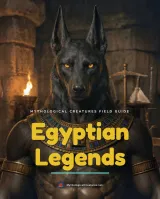
Egyptian Legends: A field guide to the gods and monsters of ancient Egypt
Guardians of the living and devourers of the dead, with the role each played in judgement.
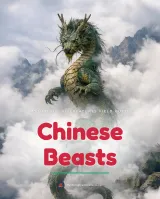
Chinese Beasts: A field guide to the dragons and demon kings of Chinese myth
From river dragons to demon kings, with the legends that shaped five thousand years of storytelling.
the legend in five swipes.
Mythology commerce, done carefully
Align your store with our global myth audience
If you sell myth-inspired jewellery, prints, decks, or collectibles, we can feature your brand without overwhelming the reading experience.
Partner with usQuick Creature Info
Origin:
Features:
Associations:
Our Mythic Legendary Rating:

Also Sometimes Known As:
Habitat:
Supernatural Powers:
Physical Attributes:
Abilities:
Behavior:
Weaknesses:
Lore:
Related Creatures, Tales or Lore
- VVölundr
- HHephaestus
References
Discover Another Mythical Legend You May Not Have Heard Of?
Uncover the mysteries of ancient folklore and expand your knowledge of legendary beings from cultures around the world.
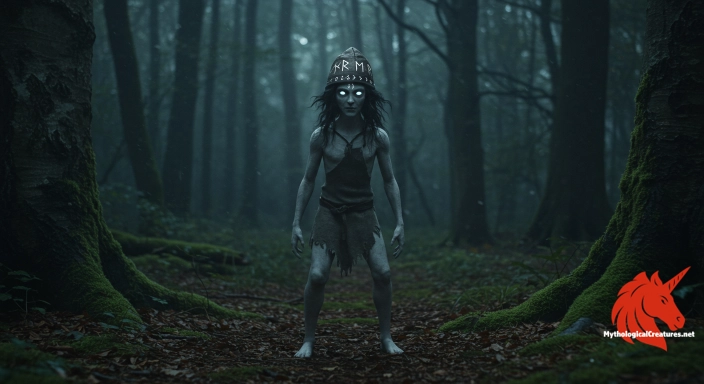
Dare to Meet the Alp....
The Mythological Creatures Book Series
Yōkai, Greek, Norse, Egyptian & Chinese. Five illustrated field guides to the creatures the old stories either warned or told you about.
Curated by the Mythological Creatures Team
Series editor: Mythological Creatures Directory
Primary desk: Northern & European Folklore Desk
(rev. November 2025)