
Spirit turtle: The spirit turtle is a legendary mythological creature from Chinese mythology, revered as the chief of all shelled creatures.
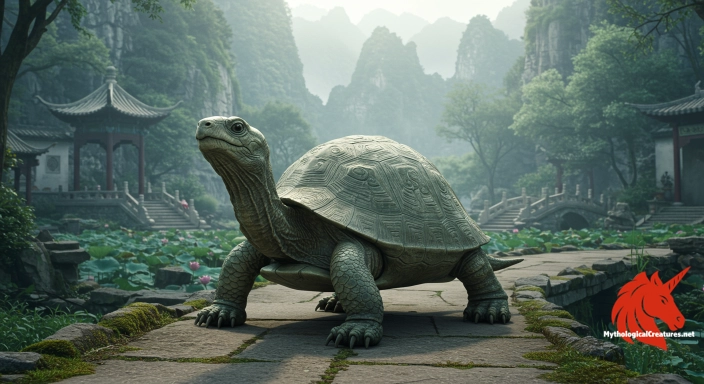
Spirit turtle
Spirit turtle - Emblematic of enduring life, strength, and spiritual wisdom, the spirit turtle has been a revered symbol in East Asian cultures for centuries.
Origins & First Encounters
The spirit turtle stands as a venerable figure in Chinese mythology, celebrated for its embodiment of longevity and cosmic wisdom. Its origins are steeped in the early shamanistic traditions of ancient China, where it was revered as a mystical guardian among all shelled creatures. Ancient narratives describe it as emerging from the mists of primeval time, symbolising the seamless union of the natural and supernatural realms. It has been depicted in art and literature as a key emblem of everlasting life and steadfast resilience. The creature’s mythic presence reflects a deep cultural yearning to capture the transient nature of human life and the eternal flow of time. Its illustrious reputation was further cemented by dynastic patronage, ensuring that its image became a central motif in imperial iconography. As a chief among shelled beings, it conveyed a sense of regal authority and gentle wisdom throughout the cultural sphere. Over successive generations, the spirit turtle has served not only as a mystical symbol but also as a metaphor for the interconnectedness of all life. Its enduring legacy has evolved with the cultural and philosophical shifts in the East Asian world, maintaining relevance in both ancient texts and modern interpretations.
Source Texts & Tale Variants
Ancient textual fragments and oral lore have contributed richly to the tapestry of the spirit turtle’s myth. Early records hint at a creature imbued with magical essence, even if its explicit name did not always appear in classical texts. Folklore and diverse ritual practices have preserved varied accounts that celebrate its benevolent power and mysterious origins. Many ancient encyclopaedic works and compendiums on myth recounted disparate narratives that eventually intertwined to form its iconic portrayal. Storytellers wove elaborate mythic tales in which the turtle functioned as a divine intermediary linking mortal life with celestial forces. Over time, artistic representations and handwritten manuscripts have confirmed the spirit turtle’s revered role in rituals that celebrate longevity. Manuscript illustrations and temple inscriptions further provide evidence of the evolving narratives surrounding its cosmic journey. Different regions recast the tales in their local tongue, highlighting unique aspects of its character and purpose. These accumulated sources, though fragmentary at times, collectively underscore the turtle’s central place in the mythological canon of East Asia.
Form & Powers
The spirit turtle is often depicted with an impressive, ornate shell that seems to carry the secrets of the cosmos. Its carapace is not merely a protective covering but a canvas, richly adorned with cryptic symbols and delicate patterns that evoke the eternal cycles of nature. The surface of the shell is portrayed with a lustrous quality, hinting at an inner radiance that sets it apart from mundane creatures. Its eyes are rendered with a calm intensity, suggesting an ageless wisdom and deep understanding of the mysteries of life. Some depictions present the creature in monumental size, symbolising its cosmic significance, while others illustrate it as a modest yet potent presence. The limbs of the spirit turtle are crafted with graceful curves and robust strength, blending natural anatomy with mythical embellishments. Artistic renditions frequently highlight the interplay between smooth surfaces and rugged textures, symbolising the balance between earthly resilience and celestial mystery. A subtle glow is sometimes noted along the edges of its shell, reinforcing its otherworldly status. Every visual detail contributes to an image that is both majestic and deeply symbolic of nature’s timeless endurance.
Regional Faces
Across the vast cultural landscape of East Asia, the spirit turtle has adopted various local forms while retaining its core symbolism of longevity. In Chinese artistic traditions, it is enshrined in Taoist allegories and often appears in imperial motifs as a sign of eternal life. Japanese renditions of the creature tend to emphasise minimalist elegance, reflecting subtle aesthetics that celebrate natural harmony. In Korean folklore, the turtle is frequently portrayed as a mystical guardian whose presence ushers in balance and protection against chaotic forces. Vietnamese interpretations blend indigenous narratives with classical influences, presenting a version that celebrates both endurance and the nurturing aspects of nature. These regional adaptations sometimes alter details such as scale, colour, or additional emblematic markings to resonate with local sensibilities. In some traditions, the spirit turtle is envisioned alongside complementary mythic creatures, further solidifying its role as a cosmic mediator. Local festivals and temple carvings continue to embellish these narratives, ensuring the creature remains a vibrant cultural symbol. Though local characteristics vary, every rendition reinforces its universal association with wisdom, protection, and the enduring cycle of life.
Cultural Parallels
The spirit turtle shares remarkable thematic similarities with turtle figures found in diverse mythological traditions around the world. Comparable to the World Turtle of Native American lore, it is often depicted as bearing the weight of cosmic creation and stability on its back. In Hindu cosmology, the tortoise is revered for supporting the structure of the universe, echoing the enduring motif of vitality and balance. Across cultures, these creatures serve as potent symbols of persistence, endurance, and the cyclical nature of time. The recurring portrayal of turtles in disparate mythologies highlights a shared human fascination with the idea of nature’s slow, deliberate strength and its profound capacity for renewal. Like its counterparts in other traditions, the spirit turtle functions as a bridge between the earthly and the divine, offering guidance and wisdom to those who seek deeper understanding. Its allegorical role in mediating the tensions between change and permanence resonates in mythologies across different continents. Comparative analysis of these legends reveals a universal narrative that extols the virtues of longevity and constancy. Thus, the spirit turtle not only enriches the East Asian mythological fabric but also finds a harmonious echo in global cultural traditions.
Legacy & Modern Evolution
Over the centuries, the image of the spirit turtle has undergone a fascinating transformation, adapting to the changing tides of cultural thought and artistic expression. Initially celebrated in religious and imperial iconography as an emblem of longevity and auspicious power, it found its roots deeply entrenched in ancient Chinese lore. As history unfurled, the creature’s imagery expanded to incorporate emerging philosophical and environmental themes that resonated with a modern audience. In contemporary art and popular media, the spirit turtle is frequently invoked as a symbol of endurance, wisdom, and the intricate balance between humanity and nature. Modern reinterpretations have seen the creature featured in literature, film, and digital art, seamlessly blending traditional motifs with innovative aesthetics. Its depictions in public spaces and eco-friendly branding initiatives highlight a renewed reverence for natural heritage and sustainable practices. The metamorphosis of its image reflects broader societal shifts toward valuing both cultural continuity and ecological stewardship. Today, the spirit turtle continues to inspire and educate, acting as a timeless reminder of the enduring qualities that define the human connection to the natural world. Its legacy is a living tapestry, intricately woven from the myths of the past and the creative impulses of the present.
Interesting Fact
An intriguing aspect of the spirit turtle is its frequent depiction in ancient Chinese art, where its shell was believed to carry messages of destiny and cosmic order.
For publishers and studios
Your next readers are already here
Many of our visitors are looking for books, campaigns, and resources that deepen their journey into myth. Position your title or setting here.
Discuss a placementQuick Creature Info
Associations:
Our Mythic Legendary Rating:

Also Sometimes Known As:
Habitat:
Supernatural Powers:
Physical Attributes:
Abilities:
Behavior:
Lore:
Related Creatures, Tales or Lore
- XXuanwu (Black Tortoise)
- BBixi (Stone Tortoise)
References
Discover Another Mythical Legend You May Not Have Heard Of?
Uncover the mysteries of ancient folklore and expand your knowledge of legendary beings from cultures around the world.
Dare to Meet the Zana....
-0cd892fd-2502-47a4-aee0-9218ed59b911_small.webp "Depiction of Zana")
Curated by the Mythological Creatures Team
Series editor: Mythological Creatures Directory
Primary desk: Asian & Pacific Myth Cycles Desk
(rev. November 2025)