
Squasc: The Squasc is a small, tawny, and hairy creature from Eastern Lombardy folklore, resembling a tailless squirrel with an anthropomorphic face.

Squasc
Squasc - The Squasc is traditionally summoned to frighten children and play harmless pranks, embodying the ambiguous nature of regional myth.
the legend in five swipes.
the legend in five swipes.
Squasc: Where the Legend Started
The squasc stands as a fascinating emblem of Eastern Lombardy folklore, a creature whose dual nature captivates the imagination. Its origins appear to be woven into the fabric of local oral tradition, suggesting roots in ancient communal mythos. Over the centuries, the squasc has emerged as both a playful sprite and a subtle warning figure, reflecting the complexities of regional belief systems. Folktales describe it as a being with impish trickery intertwined with a darker, cautionary side that seeks to keep mischievous behaviour in check. The creature’s image has been passed down in whispered narratives and festive recitations, marking it as a timeless bridge between the mundane and the supernatural. Its early attestations in local storytelling highlight an evolution from simple cautionary parables to more intricate character studies. Community members have long regarded the squasc as an embodiment of nature’s unpredictable temperament, charming in its caprice while capable of causing unease. The myth is deeply entwined with the cultural identity of Lombardy, resonating with the local penchant for blending humour with caution. Today, the squasc continues to inspire both reverence and amusement, inviting modern audiences to explore its enigmatic legacy.
The Documented Accounts of the Squasc
Historical narratives and local manuscripts serve as the primary vessels through which the squasc legend has been transmitted. Early storytellers in Eastern Lombardy meticulously preserved shifts in its character through a series of oral accounts that were eventually documented in folkloric collections. These texts capture a creature that is both an agent of playful mischief and a spectral figure meant to instil caution among children. Variants of the tale have emerged over time, each reflecting the storyteller’s intent to both entertain and instruct. Written accounts from local chroniclers reveal that the squasc was often invoked during communal gatherings and seasonal celebrations, adding layers of context to its persona. In some renditions, the narrative leans more towards an impish trickster, while others emphasise its eerie presence akin to an evil spirit. The diversity in these sources not only illustrates the fluidity of its myth but also highlights the rich tapestry of regional storytelling traditions. Oral history, compiled in fragmented song and verse, continues to breathe life into the many facets of this creature’s tale. The enduring nature of these varied accounts secures the squasc a permanent place in the annals of Lombardy’s cultural heritage.
What did the Squasc look like?
The squasc is traditionally portrayed as a diminutive, tawny figure covered in a thick, shaggy coat reminiscent of autumnal hues. Its form, akin to that of a squirrel yet notably tailless, skilfully bridges animalistic agility with an unmistakably human-like countenance. Distinguished by an anthropomorphic face, it exhibits a range of expressions that combine wit with a hint of mischief. Observers have noted that its eyes possess an alert and acutely intelligent glimmer, conveying both curiosity and an undercurrent of caution. The creature’s hairy frame is often depicted as slightly exaggerated in its proportions, a stylistic choice that emphasises its supernatural origins. In varying accounts, its size is described as modest, allowing it to meld seamlessly into festive or secluded rural environments. The natural colour of its fur, blending warm tawny tones with hints of rust, mirrors the changing colours of the countryside. Some descriptions also allude to subtle variations such as an occasional tuft of hair around the ears or a slightly elongated snout that deepens its mysterious aura. Together, these features render the squasc a creature of both endearing charm and enigmatic presence.
How did location shape the story of the Squasc?
In the villages of Eastern Lombardy, local renditions of the squasc reveal a creature that adapts fluidly to its surroundings and cultural influences. Some communities depict it with a lighter, almost benign demeanour that highlights its role as an unspoken guardian of childhood misadventures. In contrast, neighbouring hamlets sometimes cast the squasc in a more foreboding light, stressing its capacity to unsettle and caution the unwary. This regional divergence is apparent in the nuances of its physical description, where details such as ear shape or fur hue may shift subtly to reflect local artistic sensibilities. Traditional celebrations in some areas have incorporated the squasc into folk theatre, using its myth to symbolise the unpredictable forces of nature. In other regions, oral narratives have recast the creature as a mischievous trickster whose antics are celebrated rather than feared. The local context often tailors the squasc to exemplify either the charming quirks or the darker warnings intrinsic to community values. Such adaptations underscore the importance of regional environment in shaping the portrayal of mythic figures. Ultimately, the squasc’s varied depictions illustrate a dynamic interplay between local tradition and communal identity across Eastern Lombardy.
Is the Squasc unique, or found elsewhere?
Across European mythologies, the squasc finds its parallels in a host of diminutive, shape-shifting beings that walk the line between benevolence and mischief. Similar to the kobolds of German lore or the brownies of British tales, its presence serves to both amuse and admonish, particularly among the young. The dual aspect of its nature, merging elements of a benign trickster with an unnerving spirit, echoes a broader continental archetype. Its playful pranks and occasional malevolence invite comparisons with other impish creatures that operate on the boundaries of human experience. The anthropomorphic attributes of the squasc provide an intriguing counterpoint to purely animalistic representations found in other cultures. Despite surface-level differences in physicality, such figures share a common function of personifying the enigmatic interplay between caution and entertainment. Across different cultural landscapes, these beings have been used to explain inexplicable phenomena and to enforce social norms. The squasc, therefore, not only enriches the folklore of Lombardy but also contributes to a shared European narrative of mythical beings. This cross-cultural resonance highlights a universal human fascination with the mysterious and capricious forces that lie just beyond everyday life.
Squasc: The Modern Legacy
The legacy of the squasc has evolved remarkably over time, transitioning from a local spectral presence to a symbol of regional pride and whimsical tradition. It remains a vibrant character in the retelling of folk narratives, whose stories are shared during community festivities and cultural celebrations. Modern reinterpretations have seen the squasc appear in local art, literature, and even digital media, ensuring that its legend endures in contemporary discourse. The creature is often reimagined in playful illustrations and theatrical performances that emphasise its dual capacity to charm and caution. Its image now serves as a cultural ambassador for Eastern Lombardy, encapsulating themes of mystery, resilience, and the reconciliation of light and dark. The evolving narrative of the squasc mirrors broader societal shifts, where once ominous figures are celebrated for their rich, multifaceted contributions to folklore. Local historians and cultural enthusiasts actively preserve its stories, integrating age-old traditions with modern storytelling techniques. Festivals and community events continue to use the squasc as a focal point for celebrating local heritage and the art of narrative. In embracing both its playful and cautionary aspects, the modern legacy of the squasc reaffirms its enduring appeal as a bridge between the past and the present.
Interesting Fact
An intriguing aspect of the Squasc is its hybrid physical form, which merges animal characteristics with human-like traits, challenging traditional classifications of mythological beings and symbolizing the mutable nature of folklore.
Mythological Treasures
Egyptian Legends: A field guide to the gods and monsters of ancient Egypt
Guardians of the living and devourers of the dead, with the role each played in judgement.
Chinese Beasts: A field guide to the dragons and demon kings of Chinese myth
From river dragons to demon kings, with the legends that shaped five thousand years of storytelling.
Japanese Yokai: A field guide to the spirits and demons of Japanese folklore
Fifteen spirits, with the signs to watch for and what the old tales say to do if you meet one.
the legend in five swipes.
Mythology-aligned partners
Showcase your myth-friendly brand here
Run a store, studio, or platform that lives in the world of myth and folklore? A curated sponsor panel on these pages may fit.
Explore partnership optionsQuick Creature Info
Origin:
Features:
Associations:
Our Mythic Legendary Rating:

Habitat:
Supernatural Powers:
Physical Attributes:
Abilities:
Behavior:
Lore:
References
Discover Another Mythical Legend You May Not Have Heard Of?
Uncover the mysteries of ancient folklore and expand your knowledge of legendary beings from cultures around the world.
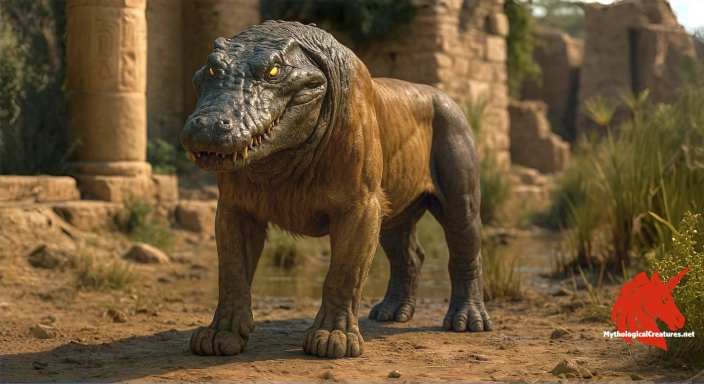
Dare to Meet the Ammit....
The Mythological Creatures Book Series
Yokai, Greek, Norse, Egyptian & Chinese. Five illustrated field guides to the creatures the old stories either warned or told you about.





Curated by the Mythological Creatures Team
Series editor: Mythological Creatures Directory
Primary desk: Hellenic & Ancient Mediterranean Desk
(rev. November 2025)