
Strix: The Strix is a mythological avian creature from classical antiquity, renowned as a bird of ill omen.
-6eebb458-1724-4d63-889e-863d8a62961b_small.webp "Strix - Represents the dark consequences of malevolent magic and serves as a cautionary emblem of impending doom.")
Strix
Strix - Represents the dark consequences of malevolent magic and serves as a cautionary emblem of impending doom.
Origins & First Encounters
The strix stands out as a dark icon of ancient lore, emerging from the rich tapestry of classical antiquity with a notorious reputation for ill omen and malevolent power. Born from legends that intertwine metamorphosis with the supernatural, it is said to shift from human form into a fearsome bird that feeds on human flesh and blood. Its enigmatic origins have captured the imagination of cultures that sought to explain the inexplicable, linking it to the rites and curses of forgotten rituals. The creature’s very nature disrupts the boundary between the natural and the uncanny, evoking both terror and a morbid fascination. Myths recount a time when the appearance of a strix was a harbinger of impending doom, signalling profound misfortune to those who witnessed its flight. In these ancient narratives, the strix embodies the interplay of life and death, serving as a symbol of transformation and unbridled malevolence. Over time, its image has evolved to include associations with witchcraft and the public dread of dark magic. Early literary sources and artistic depictions highlight its dual role as both a literal predator and an omen of spiritual corruption. The enduring myth of the strix reflects the human impulse to personify the mysterious forces of nature. As such, it continues to captivate scholars and enthusiasts alike, standing as a testament to the power of myth in shaping cultural identity.
Source Texts & Tale Variants
Ancient texts and folkloric compilations offer a complex array of narratives that have shaped the myth of the strix over centuries. Classical literature sometimes hints at the creature as a monstrous bird whose very presence portends calamity, weaving its characteristics with the eerie art of metamorphosis. Diverse accounts from the Greco-Roman world detail its bloodthirsty nature and its transformation from human to animal, enriching the myth with layers of ambiguity. Medieval grimoires complemented these classical descriptions, where the strix became interlinked with tales of witchcraft and unholy familiars. Various manuscripts from different eras document contradictory traits, with some portraying it as a solitary omen and others as part of a collective of dark creatures. The creature appears in folklore where it is sometimes described in allusive passages that evoke enchantment and horror in equal measure. Later narratives expanded on its role, attributing to it both a literal and symbolic function in the unfolding drama of human fate. The multiplicity of story variants underscores its capacity to adapt to the fears and expectations of evolving cultures. Over time, these narratives converged and diverged, creating a mosaic of myth that testifies to the enduring power of superstition. The varied textual sources thus offer a comparative insight into a myth that spans both time and tradition.
Form & Powers
The strix is typically depicted as a formidable bird cloaked in dark, shadowy feathers that lend it an almost spectral appearance against the night sky. Its eyes have been described as glowing with an unnerving, blood-red intensity, instilling fear in those who meet its gaze. The beak, curved and razor-sharp, appears perfectly crafted for the gruesome task of rending flesh, while its talons resemble those of the deadliest raptor. At times, descriptions merge its avian qualities with subtle hints of its human origins, suggesting an unsettling duality in its form. Size variations abound in the lore, with some accounts likening its dimensions to that of a massive, predatory owl, and others casting it as an even more imposing creature. The plumage, often rendered in inky black with an occasional iridescent glimmer under dim light, accentuates its ghostly demeanour. Every aspect of its physicality, from the sleekness of its wings to the savage curve of its claws, is imbued with an air of otherworldly menace. Some narratives even suggest that vestiges of its human past linger in the expression etched in its eyes, deepening its mystique. Its form, at once both graceful and horrifying, serves as a stark reminder of the liminal space it occupies between life and myth. The detailed physical descriptions continue to evolve, revealing a creature that is as dynamic as it is dreadful.
Regional Faces
The myth of the strix has traversed geographical boundaries, acquiring distinctive regional nuances that reflect local traditions and cultural fears. In the Mediterranean, where the roots of classical mythology run deep, the creature is often portrayed as a dire omen linked closely with the supernatural powers of the ancient world. Southern European narratives, particularly from Italy and Spain, have further entwined its identity with folklore surrounding witchcraft and unholy pacts. Across the northern regions of Europe, similar legends emerge, albeit under alternate names, yet consistently echoing the themes of transformation and nocturnal menace. In some Eastern traditions, adaptations of the strix myth have intertwined with local ghost stories, casting it as an emissary of the netherworld. The creature’s characteristics, while remaining consistent in its predatory nature, often vary in description—alterations in size, feather colour, or the intensity of its gaze are common regional adaptations. Roman accounts frequently emphasised its connection to portents of death, whereas later medieval iterations imbued it with a more mysterious, almost shamanistic persona. Local superstitions have granted the strix a variety of roles, from a solitary monster stalking the night to a collective symbol of communal dread. Each regional variant serves as a window into the historical and cultural contexts that shaped its myth. As these adaptations spread and mingled, they contributed to a rich, polyphonic tradition where the essence of the strix remained a constant yet ever-changing symbol of the uncanny.
Cultural Parallels
The tale of the strix finds intriguing parallels with other mythological figures, notably those that encapsulate the terror of the night. Comparisons can be drawn with entities such as the banshee in Celtic lore, whose mournful wail foretells death, or the vampiric beings that haunt diverse cultures with their insatiable bloodlust. Like these creatures, the strix inhabits a liminal world where the ordinary and the supernatural merge, invoking timeless fears of transformation and forbidden power. Its attribute as a shape-shifter resonates with a common motif found in myths across the globe, where the boundaries between human and animal are strikingly blurred. The creature’s ominous presence, much like the spectral owl or its kin in various folklores, symbolises a deep-seated anxiety over night and darkness. Both the strix and these comparable beings embody the archetypal role of a harbinger, warning of impending misfortune and challenging established norms of order. The cross-cultural analysis reveals that while the nomenclature and specific traits may differ, the underlying narrative of a cursed or damned being remains universal. Its association with malevolent magic and the uncanny links it to the broader tradition of witchcraft seen in European legends. Such intertextual connections highlight how diverse cultures have historically navigated the mysteries of the night. In synthesising these various strands, the strix emerges as part of a global conversation about the coexistence of beauty, horror, and the transformative power of myth.
Legacy & Modern Evolution
The historical evolution of the strix reflects a dramatic transformation from an ambiguous omens in antiquity to an established icon in modern horror and fantasy. Over the centuries, its portrayal has been reshaped by the fears and fascinations of successive generations, rendering it both a relic of ancient superstition and a dynamic modern archetype. Medieval grimoires and art reimagined the strix as an embodiment of witchcraft and dark transformation, embedding the creature in the cultural fabric of mystery and dread. In contemporary literature and film, the strix often appears as a complex villain, symbolising the blurred boundaries between human frailty and monstrous power. Its enduring image continues to inspire role-playing games and graphic novels, where the creature is both revered for its mythic grandeur and feared for its predatory nature. Modern reinterpretations frequently explore the psychological underpinnings of its dual identity, reflecting broader cultural concerns about identity, transformation, and the supernatural. The evolution of its myth speaks to a broader narrative of how ancient symbols are repurposed to articulate modern anxieties and fascinations. Scholars often view the strix as a lens through which to study the metamorphosis of myth in response to shifting societal values. From ominous herald to pop culture icon, the strix has maintained its enigmatic allure, challenging audiences to confront the shadows within human consciousness. Its legacy thus endures as a powerful example of how myth adapts, survives, and continues to resonate in an ever-changing world.
Interesting Fact
An interesting aspect of the Strix legend is its dual identity, being both a fearsome bird of prey and a metaphor for the cursed transformations associated with witchcraft.
Partner with us
Sponsor this space
Reach thousands of mythology enthusiasts with a curated placement on our creature pages.
Learn about sponsorshipQuick Creature Info
Origin:
Features:
Our Mythic Legendary Rating:

Also Sometimes Known As:
Supernatural Powers:
Physical Attributes:
Abilities:
Behavior:
Lore:
Related Creatures, Tales or Lore
References
Discover Another Mythical Legend You May Not Have Heard Of?
Uncover the mysteries of ancient folklore and expand your knowledge of legendary beings from cultures around the world.
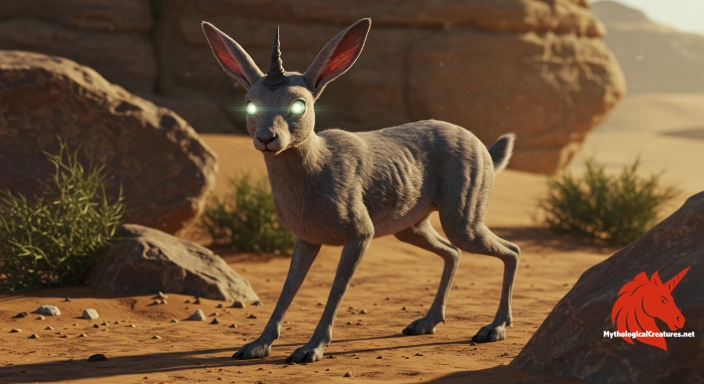
Dare to Meet the Al-Mi'raj....
Curated by the Mythological Creatures Team
Series editor: Mythological Creatures Directory
Primary desk: Hellenic & Ancient Mediterranean Desk
(rev. November 2025)