
Struthopodes: The Struthopodes are a legendary race of humanoids featured in medieval bestiaries.
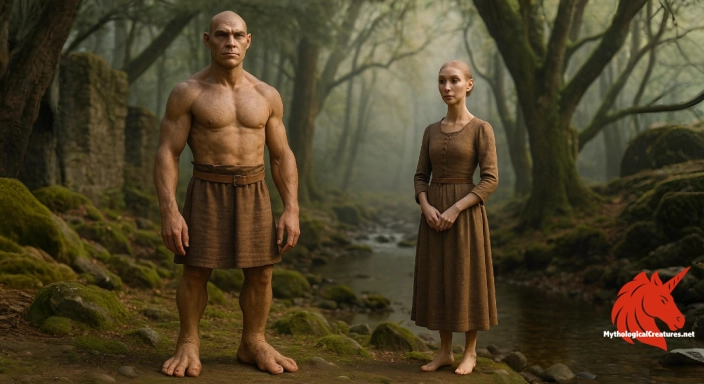
Struthopodes
Struthopodes - They represent the medieval fascination with human diversity and serve as an allegory for natural anomalies.
Origins & First Encounters
The Struthopodes emerge as one of the more intriguing figures within medieval lore, captivating audiences with their paradoxical blend of human form and fantastical divergence. Their first attestation appears in a number of illuminated bestiaries where scribes and artists alike combined natural philosophy with moral allegory. Embedded in the rich mosaic of medieval thought, these creatures served as emblematic examples of nature’s mysterious dualities. The singular characteristic that defines the Struthopodes is the stark disparity between the foot sizes of the genders, with males exhibiting enormous feet and females displaying remarkably tiny ones. This striking physical anomaly was not merely a curiosity but also an invitation to contemplate deeper symbolic meanings regarding balance, power, and propriety. The bestiaries, serving as both educational and moral compendiums, used such images to reflect on human nature and the order of divine creation. As such, the Struthopodes were simultaneously a marvel of nature and a mirror for societal contemplation, blending fact with fable. Their depiction underscores how medieval cultures used the natural world to express complex ideas about difference and unity. The enduring fascination with these beings speaks to a broader tradition of probing the limits of natural form and cultural symbolism.
Source Texts & Tale Variants
Medieval manuscripts, particularly the illuminated bestiaries of the 12th and 13th centuries, form the core of the narrative surrounding the Struthopodes. Scholars find that these texts carefully detail not only exotic animals but also human-like races imbued with remarkable features. Within these sources, the Struthopodes are described with an attention to anatomical irony that highlights the enormous feet of males and the dainty feet of females. Different manuscript traditions present subtle variations in their depiction, suggesting that these creatures were used to convey multifaceted allegories. Some variants hint that the physical discrepancy symbolizes moral tension, while others consider it a natural sign of divine whimsy. Illuminated pages comparing real animals with mythical forms often include the Struthopodes as emblematic of nature’s unorthodox design. Despite the scarcity of extensive narratives, each textual account contributes layers of meaning that have intrigued both contemporary and modern readers. These diverse sources amalgamate into a textured narrative that blurs the boundaries between zoology, morality, and art. The multifarious accounts ensure that the legend of the Struthopodes continues to invite scholarly debate and creative reinterpretation.
Form & Powers
Physically, the Struthopodes are described with a fascinating blend of human features and highly exaggerated attributes that defy conventional anatomy. In depictions found in bestiary manuscripts, the male Struthopodes are portrayed with colossal, robust feet, evoking an almost avian grandeur that contrasts sharply with the rest of their human-like form. In a striking counterpoint, the females are illustrated with diminutive feet, delicate in appearance yet contributing to a powerful overall visual metaphor. This pronounced sexual dimorphism in foot size creates a vivid and enduring image that captivated medieval audiences. Artists meticulously rendered every nuance, from the muscular definition in the legs of the males to the subtle grace of the smaller feet of the females. The body of each creature remains distinctly human in its structure, with clear facial expressions that range from stoic resolve to enigmatic charm. Such stark anomalies were likely intended to stimulate both wonder and introspection among viewers. The deliberate contrast in physical form not only underscored the imaginative scope of medieval art but also served as a vehicle for deeper allegorical interpretation. These detailed depictions highlight the complex interplay between natural observation and myth-making that characterised the era.
Regional Faces
Regional interpretations of the Struthopodes reveal a rich tapestry of cultural adaptation and imaginative reworking. In Western Europe, particularly within the circles of French and English illuminated manuscripts, the focus often rested on the visual and moral implications of the creature’s distinctive foot sizes. Southern European traditions sometimes adorned their depictions with additional ornamental details, reflecting a taste for extravagance while imbuing the creature with a sense of otherworldly nobility. In parts of Eastern Europe, local folklore intermingled with the established bestiary narratives, presenting the Struthopodes as enigmatic harbingers of change or omens of fortune. These regional variations showcase a spectrum of iconographical approaches—from the austere and moralistic to the more whimsical and decorative. The differences in stylistic presentation underscore how the same mythical motif could be tailored to reflect local values and artistic conventions. Variations in narrative emphasis, whether on the creature’s physical oddity or its symbolic resonance, further illuminate the cultural flexibility inherent in medieval mythmaking. This regional plurality emphasises how deeply embedded, yet malleable, the legend of the Struthopodes was across different European contexts. Each locale’s version adds a nuanced layer to the broader mythos, ensuring the creature’s lasting impact on cultural memory.
Cultural Parallels
When compared with other mythological beings, the Struthopodes exemplify a recurring medieval penchant for exploring dichotomies through exaggerated physical traits. Their gender-based anatomical differences resonate with themes found in diverse traditions where nature’s irregularities serve as allegories for spiritual or moral lessons. Similar to the way fantastical creatures in Arabian and Indian lore were used to symbolise the interplay between the extraordinary and the mundane, the Struthopodes capture the imagination through their startling contrasts. The deliberate engineering of vast differences in foot size invites comparisons with other mythical races that embody dual aspects of human experience. In many cultural narratives, physical peculiarities become a canvas for reflecting on inner qualities and societal norms. This comparative analysis reveals that while the Struthopodes are unique in their specific portrayal, the underlying concept of physical anomaly as an emblem for deeper truths is widespread. The anomaly found in their form has parallels in other mythic accounts where nature defies expectations to reinforce moral paradigms. The dialogue between these diverse mythologies provides insight into a broader, cross-cultural narrative that celebrates the strangeness and beauty of the natural order. Their comparative legacy thus offers a rich field for exploring how myth and metaphor interlace across geographical and cultural boundaries.
Legacy & Modern Evolution
The historical evolution of the Struthopodes mirrors the broader trajectory of myth from medieval bestiary curiosities to modern subjects of artistic and scholarly enquiry. Initially, their depiction served as both a literal record of the marvels within the natural world and a metaphorical commentary on human imperfection. As the Renaissance ushered in a more critical approach to such myths, the Struthopodes gradually shifted from being seen as factual entities to symbols rich in allegory. In subsequent centuries, renewed interest in medieval art and literature has revived the debate over their intended symbolism and the cultural messages encoded in their extraordinary features. Contemporary reinterpretations often focus on the striking gender dichotomy, using the creatures as a lens through which to examine evolving perspectives on gender and bodily variance. Modern artists and writers have embraced the myth as a vehicle for challenging traditional narratives of beauty, strength, and identity. Scholarly discourse now sees the Struthopodes as a fascinating case study in how myth adapts and endures, reflecting changing societal values over time. The continued fascination with these enigmatic beings underscores their role as a bridge between medieval symbolism and modern cultural critique. Their legacy endures as a testament to the power of myth to inspire reflection on both nature and the human condition.
Interesting Fact
The Struthopodes vividly illustrate medieval attempts to categorise and understand human diversity through allegory and exaggerated anatomy.
Curated sponsor space
One subtle banner. Thousands of myth lovers.
We offer a small number of curated sponsor spots for relevant books, courses, games, and art. No clutter, just well-matched partners.
Partner with usQuick Creature Info
Features:
Our Mythic Legendary Rating:

Physical Attributes:
Abilities:
Lore:
Related Creatures, Tales or Lore
- SSciapods
- BBlemmyes
- CCynocephali
References
Discover Another Mythical Legend You May Not Have Heard Of?
Uncover the mysteries of ancient folklore and expand your knowledge of legendary beings from cultures around the world.
Dare to Meet the Dryad....
Curated by the Mythological Creatures Team
Series editor: Mythological Creatures Directory
Primary desk: Hellenic & Ancient Mediterranean Desk
(rev. November 2025)