
Šumugan: Šumugan is an ancient god from Mesopotamia and Syria, revered for his association with animals.
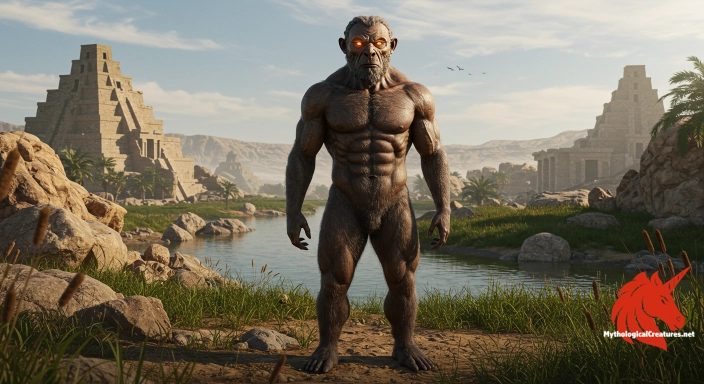
Šumugan
Šumugan - Šumugan played a significant role in representing divine protection over animals, reflecting the pastoral and domestic values of ancient Mesopotamian and Syrian societies.
Origins & First Encounters
Šumugan emerges from the ancient tapestry of Mesopotamian and Syrian spirituality as a deity whose essence is intertwined with the natural world. His worship is rooted in the early periods of civilisation, where the cycles of nature and the rhythms of pastoral life shaped cultural identity. Early attestations in fragmented cuneiform inscriptions suggest that he was venerated by communities that prized the fertility and well-being of their animals. Over time, his role evolved to embody the bridge between the human and the wild, reflecting a world where livestock and natural forces were vital to daily survival. The multiplicity of his names, from Šumugan to Šakkan, hints at regional adaptations and linguistic diversity in his worship. Communities saw in him both a custodian of the animal kingdom and a symbol of the untamed energies that underpinned agrarian life. His presence in temple records and ritual texts underscores how intertwined the divine and the natural were in early urban and rural settings alike. The contours of his myth reveal a deity whose influence was felt both in the sacred rituals of the city and in the pastoral practices of the countryside. His story, steeped in both mystery and practicality, continues to captivate those who explore the spiritual heritage of the ancient Near East.
Source Texts & Tale Variants
Ancient inscriptions and cuneiform tablets provide the primary window into the world of Šumugan, preserving his many names and aspects through the ages. Textual evidence from Mesopotamian temple archives attests to his long-standing association with animal husbandry and the natural order. In certain Syrian contexts, variations in his myth suggest that local scribes reinterpreted his role to suit regional cultural needs. A number of narrative fragments reveal not just a static deity, but one whose identity was dynamic and responsive to ritual contexts. These accounts, though often brief, hint at a figure believed to mediate the delicate balance between the domesticated and the wild. Ritual prescriptions and liturgical texts indicate that offerings were made to secure the favor of this animal guardian in a time when livestock were prized. In later periods, inscriptions from diverse polities show that his cult spread beyond a single city or region, blending with neighbouring traditions. The assortment of textual evidence, ranging from early ecclesiastical records to later reinterpretations, points to a multifaceted deity whose story was shaped by both triumphs and adaptations. The enduring nature of these records continues to provoke discussion among scholars seeking to understand his evolving mythos.
Form & Powers
Although few complete depictions have survived, artistic fragments allude to a deity with a distinctive fusion of human and animal features. Some artefacts suggest a figure adorned with prominent horns and keen, stylised ears, emblematic of the power and unpredictability of nature. His visage is occasionally rendered with a serene composure, juxtaposed against wild elements that evoke the untamed realms he governs. The recurring presence of attributes such as a flowing mane or hints of a bestial mask reveals his dual identity as guardian of both domestic and wild creatures. In certain sculptural reliefs, the deity appears with elements that might be interpreted as pelts or natural regalia, underscoring his link to the organic world. Variations in iconography have been noted across different regions, with local artisans adapting his appearance to reflect indigenous fauna. The hybrid imagery communicating both human wisdom and animalistic ferocity is a common theme in his portrayals. This blend of physical characteristics serves to reinforce his role as an intermediary between civilisation and wilderness. Though the surviving images are fragmentary, they collectively evoke a powerful being at home in the realm of creatures.
Regional Faces
The cult of Šumugan was not confined to a single geographical crease, but instead permeated various regions of the ancient Near East with distinctive local flavours. In central Mesopotamia, his worship was closely aligned with the cycles of agriculture and pastoral care, reinforcing the sanctity of livestock and seasonal fertility. In ancient Syria, his identity absorbed a broader spectrum of nature's mystique, becoming interwoven with indigenous customs and local mythic symbols. Local traditions sometimes merged his image with that of other animal spirits, resulting in a syncretic form that reflected both fertility and protection. The artistic depictions in various regions reveal subtle shifts in his iconography, with some communities emphasizing his wild aspects while others highlighted his civilising influence. Regional adaptations also influenced the rituals dedicated to him, from rural pastoral rites to urban ceremonies designed to integrate nature into everyday life. The fluidity of his character allowed for a diverse expression of his divine attributes, with each locale contributing its own nuances to his myth. This adaptability ensured that his legacy varied yet remained recognisable across cultural boundaries. The regional variations in his portrayal underscore the ways in which environmental and cultural contexts can shape the interpretation of a deity’s powers and purpose.
Cultural Parallels
Šumugan’s enigmatic blend of human and animal elements invites a fascinating comparison with other deities renowned for their connection to the natural realm. Striking parallels can be drawn with figures like the Greek god Pan, whose own image is synonymous with the wild and pastoral. The archetype of a divine guardian of animals recurs across different ancient cultures, underscoring a universal need to personify nature's unpredictability and bounty. In certain aspects, his role mirrors that of various Near Eastern deities whose powers were invoked to ensure the prosperity of agrarian communities. While his iconography is distinct, the thematic overlap with other animal-associated deities reveals a deep-seated cultural impulse to explain and harness nature. The duality inherent in his character, bridging civilisation and wilderness, finds echoes in a host of mythic narratives from across the ancient world. Comparative analysis highlights both shared motifs and unique features, offering insights into how diverse cultures relate to the forces of nature. This cross-cultural dialogue enriches our understanding of the symbolic importance of animal guardianship. By placing Šumugan alongside similar figures, one appreciates the layered complexity of ancient mythologies and the enduring human fascination with the natural world.
Legacy & Modern Evolution
Throughout the ages, the figure of Šumugan has been reshaped by shifting cultural paradigms and the evolution of religious thought. In his earliest iterations, he was a central figure in rituals designed to secure the health and prosperity of both livestock and community. As new deities ascended in the pantheon and religious practices transformed, his role gradually receded from mainstream worship. Nevertheless, the symbolic power of his connection with animals has left an indelible mark on later mythological narratives and local folklore. Remnants of his cult have surfaced in reinterpretations and hybrid mythologies during periods of cultural transition. Modern scholars and enthusiasts have revived interest in his legacy, recognising him as a potent emblem of the interplay between humankind and nature. Contemporary artistic and literary endeavours occasionally draw upon his myth to explore themes of fertility, protection, and the wild unknown. His enduring image serves as a reminder of the ancient belief in the sacred intertwined with every facet of the natural environment. In this way, the evolution of Šumugan from an ancient guardian to a modern symbol illustrates the timeless allure of myths that celebrate nature's profound mysteries.
Interesting Fact
An intriguing aspect of Šumugan is the variety of his names across different regions, highlighting the diverse cultural influences that shaped his worship in ancient Mesopotamia and Syria.
Mythology-aligned partners
Showcase your myth-friendly brand here
Run a store, studio, or platform that lives in the world of myth and folklore? A curated sponsor panel on these pages may fit.
Explore partnership optionsQuick Creature Info
Origin:
Features:
Our Mythic Legendary Rating:

Also Sometimes Known As:
Habitat:
Supernatural Powers:
Abilities:
Lore:
Related Creatures, Tales or Lore
- PPan (Greek) – a god of the wild, shepherds, and flocks
- FFaunus (Roman) – a deity associated with nature and animals
- CCernunnos (Celtic) – a horned god linked to nature and animals
References
Discover Another Mythical Legend You May Not Have Heard Of?
Uncover the mysteries of ancient folklore and expand your knowledge of legendary beings from cultures around the world.
Dare to Meet the Karni Mata....
Curated by the Mythological Creatures Team
Series editor: Mythological Creatures Directory
Primary desk: Hellenic & Ancient Mediterranean Desk
(rev. November 2025)