
The Dagda: The Dagda is a prominent and revered deity in Irish mythology, known as the great father and chief god of the Tuatha Dé Danann.
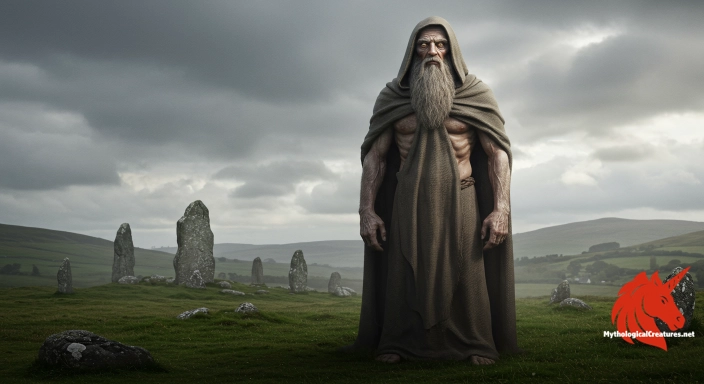
The Dagda
The Dagda - Embodies fertility, agriculture, and the cycles of life and death, playing a central role in Ireland’s mythological heritage.
Origins & First Encounters
The Dagda occupies a central role in the mystical tapestry of Irish mythology, celebrated as the chief deity of the Tuatha Dé Danann and a paragon of both nurturing wisdom and formidable strength. Emerging from ancient mythic cycles, his origins resonate with themes of fertility, sovereignty, and the natural rhythms of life. His early attestation in medieval manuscripts imbues him with a timeless quality that blends mortal concerns with divine providence. Over centuries, his stories have been woven into a rich fabric of legends that portray him as both a benevolent father figure and a master of magic. The Dagda’s names, such as the good god and the great god, reflect the high esteem in which he was held across ancient Irish society.
His dominion extends over agriculture, the changing seasons, and even the powers of life and death, which underscores his multifaceted nature. Sacred sites such as Brú na Bóinne and Uisneach stand as physical testaments to his enduring cultural influence. He is depicted as a larger-than-life figure whose visage and deeds inspire both awe and reverence. This combination of might, magic, and maternal care renders The Dagda a symbolic pillar of continuity and transformation in Ireland’s mythological heritage.
Source Texts & Tale Variants
Ancient texts and oral traditions have long provided the foundation for The Dagda’s mythic persona, with his exploits appearing in canonical manuscripts like the Lebor Gabála Érenn and the Book of Leinster. His narrative is interlaced throughout the mythological cycles, where he is portrayed as a savvy king and visionary druid. Literary sources reveal variations in his character, emphasizing aspects that range from the nurturing guardian of life to a powerful wielder of magic capable of both creation and destruction. His magical artefacts, including the dual-natured staff, the unending cauldron, and the enchanted harp, are detailed in these texts as symbols of his vast authority. Transmissions of his tale over time have allowed for multiple interpretations that adhere to the evolving cultural and spiritual landscape of Ireland.
Regional manuscripts and folklore have further enriched his mythos, blending elements from ancient genealogies with the ephemeral quality of oral storytelling. Variants of his story sometimes highlight his role as a mentor to younger deities and heroes, thereby reinforcing his paternal symbolism. Even in later traditions, reinterpretations of his legendary attributes continue to influence contemporary depictions of divine guardianship and natural order. Thus, the diversity of primary sources and narrative variants underscores the fluidity and enduring appeal of The Dagda’s myth.
Form & Powers
The Dagda is consistently portrayed as a towering, robust figure whose physical presence exudes strength and authority. His flowing beard and broad shoulders communicate not just power but also an air of timeless wisdom and experience. Artistic representations frequently cast him in a hooded cloak, a garment that symbolically bridges the earthly with the mystic. His imposing stature and vigorous build serve to highlight his role as the protector and nurturer of the community, a theme that resonates throughout his legendary exploits. The dual nature of his magical staff, which can bestow life or wreak death, is often depicted in tandem with his commanding physical form, reinforcing the themes of balance and duality.
Detail in his visual portrayal—ranging from stern, penetrating eyes to a posture that speaks of regal composure—cements his status as a deity who is both fearsome and benevolent. Variations in size and detailed iconography across different artworks emphasize his connection to both human strength and supernatural prowess. The textures of his garments and the intricate motifs on his artefacts further enrich our understanding of his character, making him a vivid emblem of ancient Celtic art and symbolism. Overall, every physical detail attributed to The Dagda is imbued with profound significance, echoing the mythic narratives of power, renewal, and protection.
Regional Faces
Local traditions and geographical markers have lent The Dagda a dynamic regional character that shifts subtly from one part of Ireland to another. In locations such as Brú na Bóinne and Uisneach, his association with ancient earthwork sites roots him deeply in the land’s sacred geography. Regional legends often portray him as a roving mystic whose blessings are interwoven with the natural cycles of agriculture and seasonal change. In northern regions, the imagery of his hooded cloak and majestic form resonates with local celebration of harvest and fertility. His myth often adapts to local customs, with distinct oral traditions emphasising different attributes such as healing, prophecy, or martial valor.
This geographical adaptability has allowed The Dagda’s image to blend seamlessly with the cultural identity of various Irish communities. Local sites like Lough Neagh and Knock Iveagh are imbued with stories and practices that tie his presence to the very fabric of the landscape. The fluidity of his portrayal across regional boundaries offers a fascinating glimpse into how myth and place are mutually reinforcing. This constant regional reinvigoration ensures that his legend remains vibrant and intimately connected to the diverse territorial histories of Ireland.
Cultural Parallels
The multifaceted character of The Dagda invites rich comparative analysis across diverse mythological traditions, where echoes of his dual capacity to create and destroy are widely observed. His role as both a wise elder and a potent warrior finds parallels in the Norse depiction of Odin, whose own quest for knowledge and mastery over fate intertwines with themes of sacrifice and renewal. Similarly, the Gaulish god Sucellos, whose associations with agriculture and strength mirror those of The Dagda, contributes to a broader Indo-European archetype of the robust father figure. Further cultural parallels emerge when comparing him to the Roman figure Dīs Pater, a deity linked to the underworld and cycles of rebirth.
Such cross-cultural comparisons highlight a shared narrative motif where deities encompass both nurturing aspects and elemental power. The symbolic resonance of his magical artefacts, for example, aligns with universal themes of transformation present in other mythologies. These intertextual echoes underscore how ancient societies utilised similar mythic images to articulate the complexities of life, death, and nature’s abundance. By situating The Dagda within this wider mosaic, one can appreciate how his diverse attributes reflect an enduring, pan-cultural dialogue about the forces that govern the human experience and the natural world.
Legacy & Modern Evolution
Over the centuries, The Dagda has not only retained his central place in ancient myth but has also undergone a dynamic evolution that bridges past and present. His legacy has been reimagined through art, literature, and modern media, where he emerges as a symbol of enduring wisdom, vitality, and the eternal cycle of nature. Contemporary adaptations in fantasy novels, films, and video games recontextualise his myth, imbuing him with qualities that speak to modern sensibilities of environmental stewardship and collective memory. Artistic reinterpretations have expanded his narrative, often stressing the harmony between human life and the natural world. His image has gradually shifted from that of a remote, mythic deity to an accessible archetype in cultural revivals and neo-pagan practices.
Modern cultural festivals and archaeological pursuits continue to celebrate the sites associated with his legend, reaffirming his relevance in contemporary Irish identity. His enduring symbols—the ever-full cauldron, the enigmatic harp, and the dual-edged staff—serve not only as relics of a bygone era but as vibrant metaphors for transformation and balance. Scholarship and public interest alike have enriched his mythos, ensuring that The Dagda’s narratives remain a living, evolving dialogue between the ancient and the modern. In this way, his legacy is a testament to the timeless human quest for meaning, bridging a vast expanse of cultural history with the ever-changing tapestry of modern life.
Interesting Fact
An interesting observation is that the Dagda's diverse attributes—from wielding a deadly yet life-giving staff to presiding over a cauldron of eternal abundance—symbolise the dual nature of existence and the cyclical rhythms of life in Celtic lore.
For serious myth projects
Feature your work alongside the legends
From academic works to story-rich games, we highlight projects that respect world mythologies. Talk to us about a measured, long-term placement.
Start a conversationQuick Creature Info
Associations:
Our Mythic Legendary Rating:

Also Sometimes Known As:
Habitat:
Supernatural Powers:
Physical Attributes:
Abilities:
Behavior:
Lore:
Related Creatures, Tales or Lore
- OOdin
- SSucellos
- DDīs Pater
References
Discover Another Mythical Legend You May Not Have Heard Of?
Uncover the mysteries of ancient folklore and expand your knowledge of legendary beings from cultures around the world.
Dare to Meet the Cath Palug....
Curated by the Mythological Creatures Team
Series editor: Mythological Creatures Directory
Primary desk: Northern & European Folklore Desk
(rev. November 2025)