
Theow: Theow is a hybrid heraldic beast depicted as a wolf with goat's hooves.
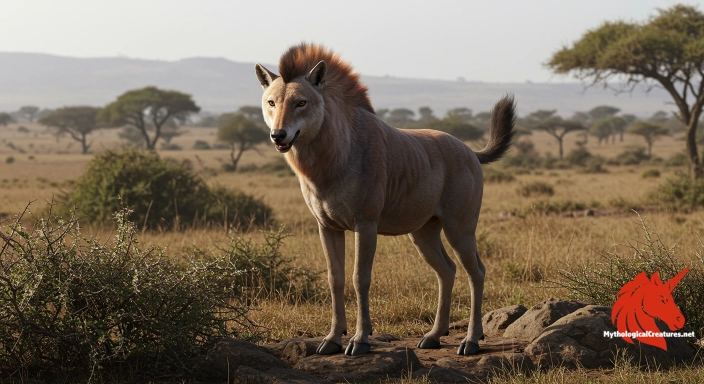
Theow
Theow - Theow serves as an emblematic example of how myth and natural observation can intertwine, reflecting both legendary attributes and real-world fauna.
the legend in five swipes.
the legend in five swipes.
Where does the story of the Theow begin?
The Theow is a striking heraldic creature that captivates the imagination with its unique blend of natural and mythic attributes. It is known by several names, including thos, thea, and thoye, each reflecting a storied past through different cultural lenses. Its origins can be traced back to antiquity, with early attestations credited to the observations of Pliny the Elder. This creature occupies a curious space where nature meets symbolism, bridging the gap between a natural canine form and the heraldic embellishments of medieval lore. Its depiction in ancient texts laid the groundwork for a myth that evolved through successive generations, each infusing the beast with additional layers of meaning. The creature’s design, featuring elements that are both familiar and fantastical, invites a broad spectrum of interpretations from scholarly and artistic communities alike. Set against the exotic backdrop of Ethiopia, the habitat ascribed to the Theow further enhances its mystical allure. Over the centuries, it has served not only as an emblem of natural wonder but also as a symbol of noble ideals and the enigmatic spirit of the wild. The enduring legacy of the Theow is a testament to its adaptability in the realm of myth, art, and heraldry. Its continued presence in cultural narratives underscores the timeless appeal of hybrid creatures in symbolising complex ideas about nature and civilisation.
Theow: Manuscripts, Texts and Variants
The earliest narrative threads of the Theow are woven into the texts of antiquity, where Pliny the Elder first presented a creature resembling a wolf with an unusual form. Ancient Roman sources laid an initial foundation that would later be expanded by writers such as Solinus, who in his Collectanea rerum memorabilium enriched its depiction with imaginative details. Medieval bestiaries picked up these threads and introduced novel traits, including the distinctive mane of variegated colours, thus deepening the creature’s mythological tapestry. Each primary source adds its own nuances, presenting the beast as a gentle yet enigmatic creature that never threatened humans. The evolution from a possible misinterpretation of a jackal into a storied heraldic icon is evident in these texts. Manuscripts and illuminated volumes from the medieval period frequently recount its seasonal transformations and unusual appearance, reflecting the blending of natural observation with symbolic narrative. Local Ethiopian folklore, too, voiced its perspective by referring to the creature as a version of the native Ethiopian wolf, known by the name ‘theas’. The multiplicity of sources allows modern scholars to appreciate the Theow as an artefact of layered myth-making. Its presence in these varied accounts has contributed to a longstanding debate over whether the creature is purely mythical or an embellished record of a real animal. Through these sources, the Theow emerges as a fascinating study in how myth and reality can intermingle in the human imagination.
What was the Theow believed to be capable of?
The physical form of the Theow is a study in hybridisation, merging features that are both recognisable and otherworldly. Its core structure harks back to a wolf, boasting the familiar sleek contours and keen expression of this esteemed predator. Yet, it is distinguished by the presence of goat-like hooves, a curious detail that disrupts the ordinary canid anatomy. According to ancient descriptions, its body appears larger and more robust than that of a typical wolf, while its legs are notably shorter and stouter, lending it a unique gait. The creature is further adorned by a magnificent mane, often illustrated with an array of shifting colours that evoke the vibrancy of natural phenomena. This vivid display is said to change seasonally, with a dense, luxuriant coat in winter giving way to a bare, streamlined form in summer. The facial features combine a wolf’s alertness with a subtle caprine grace, resulting in an appearance that is both wild and enigmatic. Detailed accounts emphasise the creature’s dynamic physicality, where every element—from the texture of its fur to the form of its hooves—contributes to its mythic presence. Such a detailed depiction invites observers to ponder the balance between ferocity and refinement inherent in its design.
How does the Theow legend change from place to place?
Regional interpretations of the Theow reveal a rich diversity in the ways it has been understood and depicted across different cultures. In the classical Roman tradition, the creature was primarily presented with a wolf-like configuration, though with atypical proportions such as a larger body and shorter legs. As the legend travelled into medieval Europe, scribes and artists elaborated on its features, infusing it with an elaborate, multi-hued mane that underscored its otherworldly nature. The environmental and cultural backdrop of Ethiopia, often cited as its native land, introduced local colourations to the myth; here, the creature was sometimes identified with the Ethiopian wolf and even served as a symbol of the region’s unique natural heritage. European heraldry, in turn, adopted these variations, rendering the Theow as a bearer of noble qualities and mysterious wisdom. Differences in climate, local fauna, and artistic tradition contributed to distinct regional portrayals, each adding its own embellishments to the creature’s lore. In some accounts, the animal is depicted with smoother features, while in others it retains a more rugged, untamed aspect that reflects the harshness of its reputed habitat. The regional adaptations underscore an inherent flexibility in its symbolism, a quality that has allowed the Theow to resonantly persist through disparate cultural narratives. These localized versions not only reflect varying aesthetic tastes but also embody differing interpretations of the relationship between nature and myth. Collectively, they demonstrate how geographic and cultural contexts can transform a single mythical image into a tapestry of diverse, yet interconnected, traditions.
What figures resemble the Theow?
Comparative analysis reveals that the Theow occupies a distinctive position among hybrid creatures in world mythology. Its combination of lupine and caprine characteristics draws parallels with other legendary beasts that defy strict biological categorisation, such as griffins and chimeras, which similarly merge disparate animal traits. In many cultural traditions, the act of hybridisation serves as a metaphor for unity and the interplay between opposites—a theme that is central to the Theow’s mythos. Similar creatures in folklore, such as certain representations of the werewolf or other canid deities, underscore the fascination with animals that straddle the line between the wild and the supernatural. In the Middle East and South Asia, mythic depictions of guardians or mystical beasts also exhibit a mix of features aimed at conveying both power and protection. The integration of goat-like elements, common in various pastoral settings, further enhances the creature’s symbolic resonance with fertility and the cycles of nature. As heraldic symbols, such hybrid forms were employed to communicate complex ideas of nobility, moral virtue, and a connection to a primordial wilderness. Scholars have noted that the Theow, much like its cultural counterparts, functioned as a narrative device that allowed societies to articulate tensions between the tame and the untamed. This cross-cultural dialogue enriches our understanding of how diverse communities have used the imagery of hybrid creatures to embody both aesthetic and ethical ideals. In many respects, the Theow serves as a microcosm of the broader human endeavour to blend the natural with the mythical, offering insights into the universality of myth-making.
How has the image of the Theow evolved?
The historical evolution of the Theow reflects a dynamic interplay between natural observation and the imaginative embellishments of storytellers across the ages. Initially emerging from classical sources where its physical characteristics were subject to misinterpretation, the creature found renewed life in medieval bestiaries and heraldic traditions. Over time, its narrative shifted from a mere potential misrepresentation of a local canid in Ethiopia to a symbol imbued with noble and protective qualities. In the Middle Ages, its benign demeanour and seasonal transformations were woven into allegorical tales that underscored the cyclical rhythm of nature and the balance between ferocity and gentleness. Artistic representations gradually transformed the Theow into an emblem of mystery and wisdom, often used to adorn coats of arms and other insignia. In modern times, the creature has experienced a resurgence among enthusiasts of myth and fantasy, appearing in literature, graphic novels, and role-playing games as a symbol of ancient lore and transcendent beauty. Contemporary interpretations often highlight its hybrid nature as a metaphor for the fusion of the natural world with human creativity and cultural identity. As scholarly debates continue to explore its origins and variations, the Theow remains a potent reminder of how myth evolves alongside human civilisation. Its legacy is one of continuous reinvention, ensuring that this enigmatic creature retains its allure for both historians and modern creatives alike.
Interesting Fact
An intriguing aspect of Theow is that its legendary portrayal may have originated as a misinterpretation of the Ethiopian wolf, demonstrating how myth can emerge from real-world observations.
Mythological Treasures
Chinese Beasts: A field guide to the dragons and demon kings of Chinese myth
From river dragons to demon kings, with the legends that shaped five thousand years of storytelling.
Japanese Yokai: A field guide to the spirits and demons of Japanese folklore
Fifteen spirits, with the signs to watch for and what the old tales say to do if you meet one.
Greek Myths: A field guide to the monsters of ancient Greece
Every monster here earned its place in legend, and each gets a full page of artwork and the story behind it.
the legend in five swipes.
Support the directory
Promote your myth project and fund more research
Sponsor placements help keep this directory growing and free to use while giving your work a focused, relevant audience.
Learn how sponsorship worksQuick Creature Info
Origin:
Features:
Associations:
Our Mythic Legendary Rating:

Also Sometimes Known As:
Habitat:
Physical Attributes:
Abilities:
Behavior:
Lore:
Related Creatures, Tales or Lore
References
Discover Another Mythical Legend You May Not Have Heard Of?
Uncover the mysteries of ancient folklore and expand your knowledge of legendary beings from cultures around the world.
Dare to Meet the Trinavarta....
The Mythological Creatures Book Series
Yokai, Greek, Norse, Egyptian & Chinese. Five illustrated field guides to the creatures the old stories either warned or told you about.
Curated by the Mythological Creatures Team
Series editor: Mythological Creatures Directory
Primary desk: Hellenic & Ancient Mediterranean Desk
(rev. November 2025)