
Þrúðr: Þrúðr is a Norse mythological figure known as the daughter of Thor and Sif, and she is sometimes identified as a valkyrie serving ale to the einherjar in Valhalla.
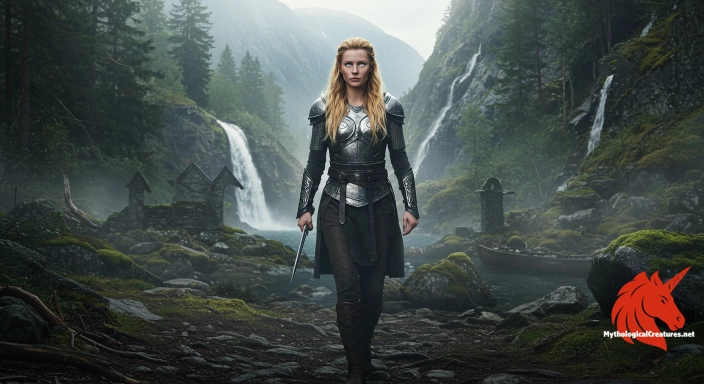
Þrúðr
Þrúðr - Represents strength and the dual aspects of divine lineage and warrior service.
Origins & First Encounters
Þrúðr emerges in the Norse mythos as an embodiment of raw power and divine strength, with her name itself signifying 'strength'. Born of the mighty thunder god Thor and the goddess Sif, she encapsulates the potent blend of martial vigour and nurturing spirit that characterises the Norse pantheon. In her earliest attestations, Þrúðr is revered not only as a celestial offspring but also as a potent, resilient figure whose name has been entwined with themes of might and perseverance. Mentioned in medieval texts, her presence is emblematic of the valor and power that typify the world of the gods. Ambiguity surrounds her identity, as she is also referred to as one of the valkyries serving ale to the einherjar in Valhalla. This dual representation enhances her mystique, mixing the notions of familial lineage and heroic destiny. Her character appears interwoven with both affectionate familial ties and the stern customs of warrior culture. The traditions surrounding Þrúðr have been embraced in various narratives, reflecting the vibrant cultural context of early Norse society. Her evolving legend speaks to a deeper mythological intent, illustrating the timeless allure of divine strength and resilience.
Source Texts & Tale Variants
Þrúðr is referenced in a variety of primary sources that include the Poetic Edda and is especially noted in the stanza of Grímnismál where her name emerges among the valkyries. The brief mention in Grímnismál has fostered much discussion regarding her dual identity as both a daughter of Thor and a valkyrie. Some ancient texts provide limited narrative details, leaving interpreters to piece together her role through subtle contextual clues. Other medieval manuscripts and later commentaries occasionally reference her name, resulting in multiple layers of mythic narrative. In certain texts her story intermingles with those of the major gods, while in others she remains a distinctive figure connected to the heroic afterlife in Valhalla. Story variants attest to the fluid nature of myth, where her identity may shift between familial connections and divine warrior roles. Although the textual evidence is sparse, the surviving references suggest that Þrúðr was held as a symbol of both strength and valor in Norse tradition. Variations in the narratives highlight the interplay between tradition and reinterpretation over the years. These records underscore the adaptability of mythological figures, ensuring that even limited sources can sustain a figure as intriguing and influential as Þrúðr.
Form & Powers
Þrúðr is often envisioned as embodying formidable physical beauty combined with an aura of resolute power. Some depictions illustrate her with flowing hair that shimmers like the rays of dawn, evoking the brilliance of her thunderous heritage. The scant accounts hint at a statuesque form borne out of divine lineage, graced with features that seamlessly convey both strength and elegance. Her eyes are imagined as sparkling beacons that reflect the inner fervour and unwavering determination of a warrior spirit. In artistic renderings, she is frequently adorned in intricately crafted garments or armour that merge utilitarian functionality with ceremonial splendour. An impression of lithe dexterity is subtly suggested, as though every aspect of her form is calibrated for both beauty and the rigours of battle. This blend of soft grace and muscular potency has inspired later artistic adaptations aiming to capture her distinctive allure. Some portrayals present her as towering and robust, while others offer a more delicate, graceful image that belies her underlying might. Each depiction is imbued with a timeless quality that mirrors the enduring legacy of her myth.
Regional Faces
Regional interpretations of Þrúðr have evolved dramatically, reflecting the rich tapestry of Norse and Scandinavian cultural influences. In the Nordic regions, her identity is predominantly linked to the divine lineage of Thor, emphasising her role as the bearer of his legacy of thunder and strength. In some local traditions, she is honoured in seasonal festivals and rituals that echo themes of bravery and endurance. Rural Scandinavian folklore frequently intertwines her narrative with that of the valkyries, forging a composite character revered both as a familial deity and as a guardian of heroic virtue. In certain communities, her name is invoked on talismans and in blessings, underscoring her significance in both everyday life and ritual practices. Oral traditions have adapted her attributes over time, allowing for local variations that highlight her martial prowess or her benevolent protective nature. While some areas firmly situate her within the heroic family of deities, others celebrate her as an independent figure with a distinct sphere of influence. The interplay between local lore and broader pan-Scandinavian myth-making has ensured that her figure remains both universally acknowledged and regionally cherished. Her regional legacy exemplifies the dynamic evolution of myth as it continuously adapts to diverse cultural contexts.
Cultural Parallels
Þrúðr’s multifaceted character invites comparison with a range of mythological figures who similarly embody the integration of strength and divinity. Her narrative is often likened to that of other divine offspring found throughout Indo-European mythologies, where celestial heritage and heroic virtue are interwoven. Parallels can be drawn between her and various warrior maidens or valkyrie figures who operate as mediators between the mortal realm and the heroic afterlife. In Greco-Roman traditions, deities such as Nike or certain demigoddesses symbolise the union of beauty with martial might, reflecting aspects of Þrúðr’s character. Her dual identity as both progeny and warrior resonates with legendary motifs found in diverse cultures, where the merging of bloodlines and brute strength is celebrated. Comparative analysis reveals that such figures often serve as icons of protection and empowerment. The shared human fascination with harnessing divine potential in a feminine form bridges mythologies across cultures. This thematic similarity underscores a broader cultural narrative that values courage, resilience, and the heroics of battle. Such cross-cultural resonances continue to inspire modern artistic and literary reinterpretations, reinforcing the timeless appeal of figures like Þrúðr.
Legacy & Modern Evolution
The figure of Þrúðr has undergone a profound transformation as her myth has traversed the corridors of time, maintaining relevance from ancient sagas to contemporary narratives. Initially confined within a strict mythological framework, her image has since evolved to encompass both familial ties and the valorous spirit of a warrior. Medieval and early modern scholarship often engaged in debates over her precise role, oscillating between interpretations of her as a daughter of a mighty god and a formidable valkyrie. Over time, her evolving representation has come to symbolise not only raw power but also the resilience and dynamism of feminine strength. In modern artistic expressions, whether in literature, visual art, or even cinematic portrayals, she is celebrated as an emblem of perseverance and empowered identity. These reinterpretations skilfully merge traditional motifs with innovative perspectives that resonate with current audiences. Contemporary creators and scholars continue to probe her ambiguous nature, ensuring that her narrative remains vibrant and open to reinterpretation. As ongoing debates about her precise identity underscore, Þrúðr continues to embody the eternal dialogue between divine power and human vulnerability. The enduring popularity of her myth stands as a testament to the transformative capacity of myth-making in reshaping cultural identities across the ages.
Interesting Fact
An interesting fact about Þrúðr is that her name is attributed to potentially distinct figures within Norse mythology—one as Thor's daughter and another as a valkyrie—highlighting the fluid nature of myth and tradition in ancient Scandinavia.
Advertising opportunity
Showcase your mythology project
We offer limited sponsor placements for books, courses, games, and creators aligned with our audience.
View partnership optionsQuick Creature Info
Origin:
Features:
Our Mythic Legendary Rating:

Also Sometimes Known As:
Habitat:
Supernatural Powers:
Physical Attributes:
Abilities:
Behavior:
Lore:
References
Discover Another Mythical Legend You May Not Have Heard Of?
Uncover the mysteries of ancient folklore and expand your knowledge of legendary beings from cultures around the world.
Dare to Meet the Asherah....
Curated by the Mythological Creatures Team
Series editor: Mythological Creatures Directory
Primary desk: Northern & European Folklore Desk
(rev. November 2025)