
Tlalocayotl: Tlalocayotl is the Aztec god of the East wind.
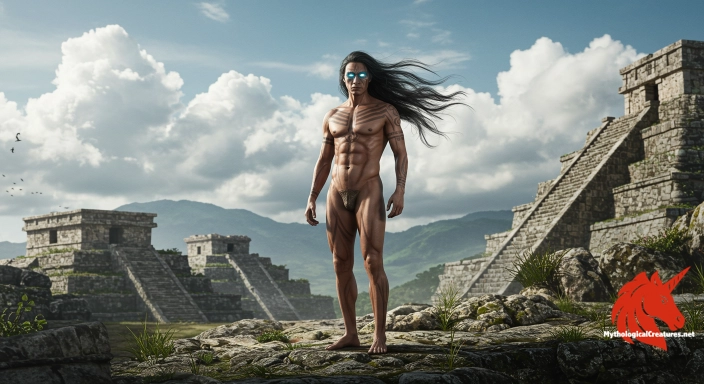
Tlalocayotl
Tlalocayotl - Represents the east wind and plays a role in the directional deities of Aztec cosmology.
Origins & First Encounters
Tlalocayotl emerges as a compelling figure in the intricate world of Aztec cosmology, embodying the vibrant energy of the east wind. His presence is celebrated for marking the subtle shift between night and day, symbolising the fresh start of a new cycle. Often considered one of the elemental forces that shape life, his role was to invigorate the natural realm with renewal and inspiration. Legends tell that his arrival heralds the blooming of life and the awakening of the land after the dark hours. Integrated into a broader theological system where directions carry distinct spiritual significance, he is one of several divine winds that maintain cosmic balance. His mythological roots extend deep into the ritualistic traditions of the Aztecs, reflecting both natural phenomena and the spiritual aspirations of the people. The mystique surrounding Tlalocayotl is enhanced by his close association with the powers of rain and fertility, which were paramount for agricultural societies. Ancient ceremonies and daily observances alike honoured his dynamism, linking the vibrancy of the east wind with the hopeful promise of life. His enduring image in myth reinforces the belief that even the invisible forces of nature are imbued with divine purpose. Ultimately, Tlalocayotl not only symbolises the physical movement of air but also epitomises the unseen energies that sustain the world.
Source Texts & Tale Variants
The narratives surrounding Tlalocayotl are woven from strands of both written codices and oral tradition. Ancient manuscripts, including several pre-Columbian pictorial codices, allude to the elemental attributes of the wind deities, even though specific references to Tlalocayotl are often intermingled with broader cosmological themes. Some colonial-era documents, compiled by early Spanish chroniclers, hint at his importance in ritual practices, offering fragments of stories that have been passed down through generations. These sources, albeit fragmentary, suggest that the understanding of Tlalocayotl was both complex and regionally variable. In addition to formal texts, local indigenous narratives have preserved a dynamic portrait of the deity over centuries and through changing cultural landscapes. Different versions of the myth illustrate how communities adapted his characteristics to reflect local environmental conditions and seasonal cycles. The variation in accounts has enriched his mythos, allowing for a flexible interpretation that resonates with the lived experiences of the Aztec people. Although concrete textual evidence is sparse, the symbolic weight of Tlalocayotl in ritual and art remains significant across historical records. His story, therefore, is a tapestry of interwoven myths, each contributing unique insights into his divine nature. The enduring legacy of these ancient sources underscores the importance of the east wind within the broader context of Aztec spirituality.
Form & Powers
In depictions of the divine west, Tlalocayotl is often envisioned as an ethereal presence, with features that blend human traits with the fleeting qualities of the wind. Artists and artisans rendered him with flowing garments that appear to be in constant motion, as if painted by an unseen breeze. His facial features are typically serene yet marked by an intensity that mirrors the force of nature itself. Some representations suggest that his eyes held the clear, bright promise of the dawn, reflecting the lifegiving aspects of the east. Intricate adornments such as feathered headdresses and swirling motifs often highlight his connection to the sky and air. Variations in his size and stature occur in different interpretations, sometimes depicted as larger than life in monumental carvings and other times as a more subtle, spirit-like presence. The interplay of light and shadow in artistic renderings underscores his dual nature; both fleeting and powerful, gentle yet potent. Symbolic elements, such as depictions of rising suns or vibrant colours, are frequently associated with his image, emphasising his role as the harbinger of new beginnings. His physical form is thus a delicate balance of material beauty and ephemeral energy, capturing the transient nature of the wind. Through these visual cues, Tlalocayotl remains an embodiment of both the tangible and mystical aspects of the natural world.
Regional Faces
The conceptualisation of Tlalocayotl has been notably diverse across various regions, reflecting how local communities adapted his myth to their environmental and cultural contexts. In central Mexico, where Aztec influence was strongest, he is primarily depicted as the pure essence of the east wind, tied closely to agricultural cycles and the renewal of nature. In neighbouring regions, however, the deity’s attributes may merge with local wind spirits, creating hybrid figures that serve multiple symbolic functions. Rural communities often emphasised his benevolence, viewing the east wind as a bringer of gentle rains and a herald of favourable harvests. Urban centres, by contrast, might have celebrated him in elaborate festivals that integrated both ritual performance and community gathering. The varied climatic conditions across regions also influenced his portrayal, with some locales attributing destructive, storm-like qualities to the east wind, while others celebrated its life-affirming aspects. Local legends sometimes pair him with regional deities of water and earth, underscoring the interconnectedness of natural elements. Such regional variations not only enriched his narrative but also allowed a multiplicity of interpretations that resonated with the distinctive spiritual fabric of each area. These adaptations demonstrate how Tlalocayotl’s symbolism was flexible enough to meet the diverse needs of different communities. Ultimately, his regional manifestations serve as a mirror reflecting the interplay between nature and the cultural identity of the people who revered him.
Cultural Parallels
Tlalocayotl’s character as the east wind deity offers interesting parallels to similar figures found in other mythological traditions. In classical Greek mythology, the east wind is sometimes associated with Eurus, a force that carries both change and unpredictability, echoing Tlalocayotl’s dynamic nature. Likewise, the Japanese wind god Fūjin, with his swirling depiction and elemental might, shares a conceptual space with Tlalocayotl in symbolising the power of air. The way these deities embody natural forces speaks to a universal human endeavour to understand and revere the environment through divine personification. Other wind deities, whether from ancient Egyptian or Norse traditions, often encapsulate the life-giving as well as the sometimes disruptive aspects of nature analogous to Tlalocayotl. This comparative view underlines how different cultures have tailored their mythic narratives to capture the essence of wind, an ever-present yet elusive element. The themes of renewal, movement, and the interplay between order and chaos are recurrent motifs, making cross-cultural connections both rich and instructive. By comparing Tlalocayotl to these international figures, one gains a deeper appreciation of the ways in which peoples across different eras have interpreted nature’s caprice. Such analyses reveal that while the contexts may vary, the human response to the natural world exhibits striking similarities. Ultimately, these cultural parallels offer a testament to the broad appeal of elemental deities and the need to provide meaning to the forces that shape our lives.
Legacy & Modern Evolution
The portrayal of Tlalocayotl has evolved significantly over time, reflecting shifts in both religious beliefs and cultural identity within the region. In his ancient context, he was integrally linked to the cycles of nature, symbolising the vital energies that usher in renewal and growth. As the influence of Spanish colonisation reshaped indigenous religious practices, many aspects of his worship were transformed or assimilated into a broader syncretic tapestry. In modern times, scholars and indigenous revival groups have rekindled interest in Tlalocayotl as a symbol of environmental consciousness and cultural heritage. Contemporary art and literary works often draw upon his imagery to evoke themes of rebirth and the enduring spirit of nature. Festivals and cultural ceremonies, reinvented through both academic research and community practice, continue to keep his legacy alive. His enduring presence in popular culture serves as a bridge between ancient mythological paradigms and modern ecological awareness. By embodying the invisible yet indispensable force of the wind, Tlalocayotl remains a powerful emblem of nature’s vitality in a rapidly changing world. The evolving narrative surrounding him underscores the importance of reassessing traditional myths in light of contemporary concerns. In this way, his legacy transcends age, inviting ongoing reinterpretation and celebration in the modern era.
Interesting Fact
Tlalocayotl’s specialization as the god of the East wind highlights the sophisticated understanding of directional deities in Aztec cosmology.
For publishers and studios
Your next readers are already here
Many of our visitors are looking for books, campaigns, and resources that deepen their journey into myth. Position your title or setting here.
Discuss a placementQuick Creature Info
Origin:
Features:
Associations:
Our Mythic Legendary Rating:

Habitat:
Supernatural Powers:
Abilities:
Lore:
References
Discover Another Mythical Legend You May Not Have Heard Of?
Uncover the mysteries of ancient folklore and expand your knowledge of legendary beings from cultures around the world.
Dare to Meet the Agreus and Nomios....

Curated by the Mythological Creatures Team
Series editor: Mythological Creatures Directory
Primary desk: Americas & Indigenous Traditions Desk
(rev. November 2025)