
Tsurubebi: Tsurubebi is a fire yōkai from Japanese folklore, also known as the 'bucket fire'.
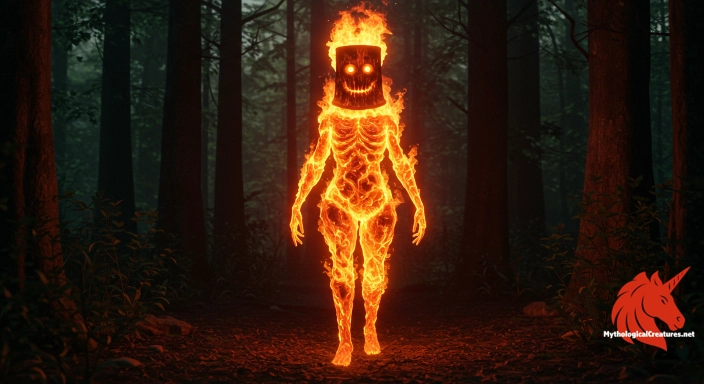
Tsurubebi
Tsurubebi - Tsurubebi exemplifies the mysterious interplay between natural fire phenomena and spiritual presence, reflecting the blend of fear and wonder in traditional Japanese lore.
the legend in five swipes.
the legend in five swipes.
Tsurubebi: Origins and First Sightings
Tsurubebi is a mysterious fire spirit that has ignited the imaginations of those intrigued by the supernatural, appearing as a spectral flame with the unusual semblance of a bucket. Its first attestation can be traced back to Edo period art, where it was immortalised in the renowned compendium Gazu Hyakki Yagyō by Toriyama Sekien. Emerging from a vibrant cultural context, this yōkai represents both the practical significance and the perilous fascination of fire in traditional Japanese society. Although its origin is enshrouded in myth, the creature hints at the natural human urge to ascribe life to the unpredictable, often dangerous phenomena of nature. The very name, meaning “bucket fire,” evocatively combines the utilitarian object with the uncontrollable energy of flame, suggesting a union of the mundane and the mystical. Local legends have woven its image into cautionary tales, where the tsurubebi features as a reminder of fire’s double-edged power. Its storied presence reflects an era when the boundaries between natural events and spiritual manifestations were fluid and richly interwoven. As such, the tsurubebi has come to symbolise a deep-seated respect for nature’s caprices as well as the human inclination to find meaning in the inexplicable.
Which texts first mention the Tsurubebi?
The primary source of the tsurubebi’s lore is its depiction in Toriyama Sekien’s Gazu Hyakki Yagyō, a seminal work that visually catalogued a host of yōkai during the Edo period. While the original illustration is brief in description, it has provided fertile ground for a multitude of interpretations in later centuries. Subsequent folklore compilations and regional oral traditions have expanded on the initial depiction, often embellishing the creature’s role and characteristics. Some variants in these stories present the tsurubebi as an omen seen near secluded shrines or in quiet rural lanes, imbuing it with an aura of both forewarning and mystique. There are occasional narrative threads where the creature appears in tandem with other fire-related apparitions, reinforcing its connections to natural and supernatural events. Period commentaries and later encyclopaedic texts have reimagined its backstory, adding layers to its identity beyond the stark image provided by Sekien. The resulting patchwork of tales has allowed the tsurubebi to evolve into a symbol that bridges the artistic heritage of the Edo period with the dynamic narratives of local myth. Its enduring presence in literature and art underscores a continuing fascination with fire yōkai in Japanese cultural expression.
Tsurubebi: Size, Shape and Strange Features
In artistic depictions, the tsurubebi is frequently portrayed as an ephemeral, flame-like apparition that seems to be housed within a container resembling a bucket. The design often hints at a centre of contained, flickering light, with the bucket’s form blurring into dancing tendrils of fire. This interplay of form and flame creates a striking visual impression, where the boundaries between a solid object and a transient phenomenon are intriguingly ambiguous. Some illustrations suggest that the shape is relatively compact and reminiscent of everyday kitchenware, yet imbued with an otherworldly glow that defies normal proportions. The colours of the tsurubebi are reported to shift dramatically from deep, smouldering reds to luminous oranges or even ghostly blue hues under certain light. Its movement is ethereal and unpredictable, as if the flame were alive and capable of twisting into whimsical patterns. Variations in size appear in different retellings, with some accounts depicting it as a small, almost delicate light, and others describing it as more imposing, capable of evoking a sense of wonder and caution. The layered visual detail invites viewers to contemplate a being that straddles the boundary between a common utilitarian object and an immortal spirit of fire.
Tsurubebi: One Legend, Many Local Versions
While the tsurubebi is rooted in the traditional folklore of Japan, regional variations have subtly altered its character across different areas. In some rural regions, it has been localised as a guardian spirit that appears near abandoned households or old shrines, often interpreted as a signal to tread carefully around areas gripped by past tragedies. The bucket-like imagery is occasionally influenced by local utilitarian designs, reflecting regional variations in everyday objects. In contrast to more widely known fire phenomena such as kitsunebi (fox fire) or onibi (ghostly flames), the tsurubebi maintains a distinct identity through its symbolic container form. Folk narratives in isolated communities sometimes offer unique twists, such as attributing it with the power to ward off evil or signal the approach of significant seasonal change. Rural storytellers have also integrated the creature into local festivals and cautionary warnings, emphasising its role as both a beautiful and ominous portent. These adaptations reveal how the tsurubebi has been shaped by the diverse cultural and environmental contexts within Japan. Each regional interpretation, though maintaining the core elements of fire and bucket imagery, enriches the overall tapestry of its myth by reflecting the local relationship with nature and the supernatural.
What parallels exist to the Tsurubebi in other traditions?
When compared to similar fire spirits from across the world, the tsurubebi finds an intriguing parallel in the European will-o’-the-wisp, both serving as elusive, ephemeral lights that capture the imagination. There is an underlying commonality in the way disparate cultures seek to explain and personify unexplained luminous phenomena. Much like the mysterious floating lights in the marshes of Europe, the tsurubebi provides an explanation for sudden bursts of flame and fire that seem to defy rational explanation. In some East Asian traditions, there exists a family of fire spirits that share the trait of being both benign and ominous, further highlighting cultural intersections in myth-making. The bucket-like imagery sets it apart from many of its counterparts, as it symbolically suggests man-made confinement of a naturally wild element. Such differences underscore how each culture blends observable natural phenomena with the symbolism of everyday objects to create memorable mythological characters. While European legends tend to focus on deception and misdirection, the tsurubebi is more often associated with warnings and spiritual portents. These comparative explorations reinforce the idea that fire, as both a vital force and a potential hazard, universally inspires both reverence and fear.
How has the image of the Tsurubebi evolved?
Since its inception in the Edo period, the tsurubebi has undergone a fascinating evolution in its cultural representation and significance. What began as a simple illustration in an influential compendium has blossomed into a versatile symbol, appearing in various forms of modern Japanese media such as manga, anime, and contemporary art. The reinterpretation of this fire spirit reflects the enduring allure of yōkai in modern society, where traditional symbols are revitalised to comment on the ephemeral qualities of modern life. Artists have expanded on the original bucket motif, using digital media and innovative techniques to recreate its fluid, spectral form. The tsurubebi has also found itself recontextualised within modern narratives, sometimes embodying the clash between nature and human technological advancement. Its evolving depictions underscore a broader trend in folklore where classic mythological figures are seized upon to explore themes of transformation, impermanence, and the uncanny beauty of fleeting phenomena. Today, it serves not only as a relic of historical superstition but also as a versatile metaphor in discussions of cultural memory and artistic expression. In academic and popular circles alike, the tsurubebi continues to spark debate and inspire reinterpretation, standing as a testament to the timeless dialogue between past traditions and contemporary creativity.
Interesting Fact
Tsurubebi challenges conventional perceptions of the supernatural by merging natural fire phenomena with ethereal spirit qualities, symbolising the unpredictable power of nature in Japanese mythology.
Mythological Treasures
Japanese Yokai: A field guide to the spirits and demons of Japanese folklore
Fifteen spirits, with the signs to watch for and what the old tales say to do if you meet one.
Egyptian Legends: A field guide to the gods and monsters of ancient Egypt
Guardians of the living and devourers of the dead, with the role each played in judgement.
Chinese Beasts: A field guide to the dragons and demon kings of Chinese myth
From river dragons to demon kings, with the legends that shaped five thousand years of storytelling.
the legend in five swipes.
Mythology commerce, done carefully
Align your store with our global myth audience
If you sell myth-inspired jewellery, prints, decks, or collectibles, we can feature your brand without overwhelming the reading experience.
Partner with usQuick Creature Info
Features:
Associations:
Our Mythic Legendary Rating:

Also Sometimes Known As:
Habitat:
Supernatural Powers:
Physical Attributes:
Abilities:
Behavior:
Weaknesses:
Lore:
References
Discover Another Mythical Legend You May Not Have Heard Of?
Uncover the mysteries of ancient folklore and expand your knowledge of legendary beings from cultures around the world.
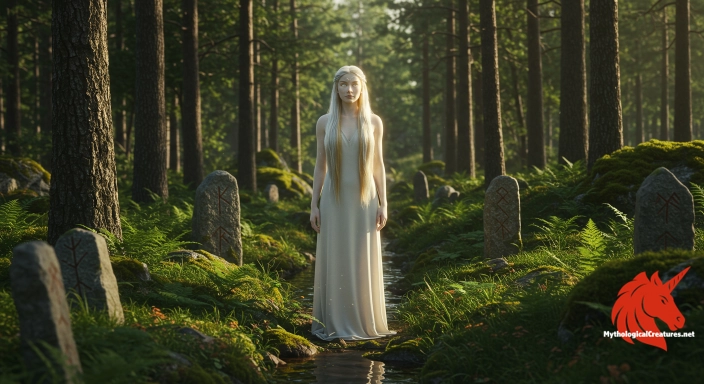
Dare to Meet the Snotra....
The Mythological Creatures Book Series
Yokai, Greek, Norse, Egyptian & Chinese. Five illustrated field guides to the creatures the old stories either warned or told you about.
Curated by the Mythological Creatures Team
Series editor: Mythological Creatures Directory
Primary desk: Asian & Pacific Myth Cycles Desk
(rev. November 2025)