
Ullr: Ullr is a Norse deity renowned for his association with skiing and winter sports.
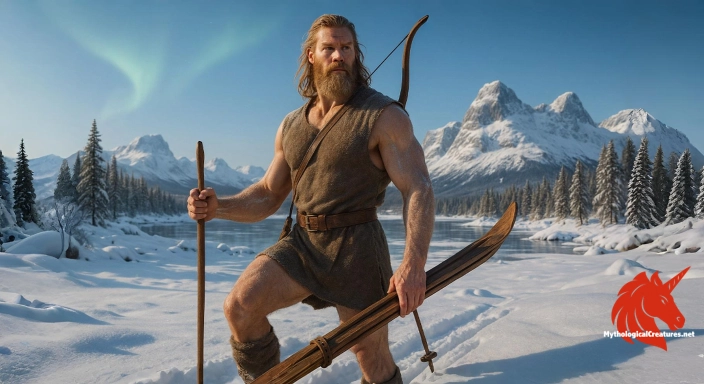
Ullr
Ullr - Ancient Scandinavian place-name evidence attests to Ullr's once prominent role in early Germanic paganism as a patron of winter and winter sports
Origins & First Encounters
Ullr is a compelling figure within Norse mythology renowned for his association with winter sports and the rugged landscapes of Scandinavia. Drawing his origins from ancient Germanic paganism, he is thought to embody both the physical vigour of winter and the glory of martial prowess. His name, derived from the Proto-Germanic term *wulþuz, reflects an essence of splendour and prestige that was central to early pagan belief. Ullr appears in scattered textual references, yet archaeological evidence and toponymic studies suggest that he was once held in high regard. His mythic character bridges natural elements with heroic athleticism, symbolising the harsh yet exhilarating quality of winter. Early cultural practices indicate that his worship touched every aspect of daily life during the long, wintry months. Although literary attestations are few, the enduring legacy of Ullr hints at a deity who once commanded deep communal respect. The continued celebration of his attributes in modern times speaks to his lasting influence. Ullr remains a vibrant symbol of ancient warrior ethos intertwined with seasonal celebration and the noble spirit of nature.
Source Texts & Tale Variants
The corpus of ancient writings directly mentioning Ullr is relatively sparse, yet fragments from various sources offer glimpses into his once-prominent worship. Early inscriptions and place-name evidence, including attestations on artefacts like the Thorsberg chape, serve as critical touchstones for understanding his early veneration. Multiple oral traditions and now-lost sagas are believed to have recounted tales of his prowess in winter pursuits, although these narratives have largely vanished with time. Variants of his myth are hinted at in surviving Norse poetic texts and later compilations of myth, suggesting that his story was widely known in earlier eras. In some accounts, Ullr is depicted as an arbiter of duels, a skilled archer, and a master of skiing, though the details often vary between different storytellers. Lost narrative strands might have interwoven themes of honour, victory, and resilience, reflecting the practical challenges of a harsh winter. Folklore preserved in several parts of Scandinavia continues to echo vestiges of his once-potent cult. The interplay between scant literary references and enduring local tradition renders his myth both mysterious and alluring. Through these fragmented sources, the legacy of Ullr continues to inspire cultural reinterpretation and scholarly debate.
Form & Powers
Descriptions of Ullr often evoke the image of an athletic and statuesque figure, ideally suited to the harsh conditions of winter. Artistic impressions tend to highlight his embodiment of agility, strength, and an innate precision that mirrors the rigours of snowy landscapes. He is frequently imagined with a lean yet muscular build—a testament to constant training and endurance under severe climatic conditions. His visage is sometimes rendered with steely, determined eyes that reflect the clarity and chill of a wintry sky. Contemporary depictions usually outfit him in traditional Nordic attire, complete with fur-lined garments that blend practicality with a regal aura. In many portrayals, he is shown wielding a bow or a spear, underscoring his role as an accomplished archer and hunter. Some images also include skis or snowshoes, symbolising his mastery of winter travel and navigation. The subtle variations in his depiction—from the robust warrior to the graceful sportsman—reflect the diverse cultural influences that have shaped his myth. Overall, these physical representations serve to enhance his legendary status as a deity who embodies both the beauty and the brutality of winter.
Regional Faces
Across Scandinavia, the portrayal of Ullr exhibits intriguing regional variations that underscore the diversity of local mythic traditions. In Norway and Sweden, for instance, he is most often celebrated as the divine patron of skiing and winter sports, a role that resonates strongly with communities shaped by long, snowy winters. Icelandic traditions sometimes lend him additional attributes related to hunting and duelling, reflective of the island’s unique and demanding environment. In several rural areas, his influence appears embedded in local place names and folklore, hinting at elaborate regional rituals once dedicated to his honour. The flexibility of his myth allowed local storytellers to adapt his character to diverse needs—whether emphasising his martial prowess or his mastery of winter travel. In some communities, Ullr is remembered as a guardian whose attributes symbolised not only physical strength but also communal endurance during harsh seasons. Such interpretations highlight the dynamic interplay between local culture and wider Norse mythological themes. The way communities have embraced his persona demonstrates a continued reverence for the natural forces represented by his myth. These regional adaptations collectively illustrate how Ullr’s myth was reimagined across Scandinavia to reflect local values and environmental challenges.
Cultural Parallels
Comparisons between Ullr and other mythological figures reveal intriguing parallels that extend beyond the confines of Norse tradition. His close association with winter, athleticism, and mastery of the outdoors finds interesting echoes in figures such as Skadi, another deity whose domain embraces snowy landscapes and hunting. While Skadi’s myth centres more on the hunt and the mountains, both she and Ullr celebrate the dual nature of winter—a season marked by both beauty and hardship. Similar themes are apparent in various Germanic and Indo-European mythologies, where deities often symbolise seasonal transitions and the challenges of nature. The depiction of Ullr as a skilful archer and adept skier is reminiscent of heroic figures from other cultures who combine martial expertise with a profound connection to their natural environment. Across different traditions, the traits of resilience, agility, and a closeness to nature serve as common threads. These comparative insights highlight a universal admiration for the qualities necessary to thrive in harsh winter conditions. Ullr’s myth, therefore, contributes to a broader narrative celebrating human and divine strength in the face of natural adversity. In this way, his character acts as a nexus for exploring cultural ideals of perseverance and elegance under pressure.
Legacy & Modern Evolution
Over the centuries, the image of Ullr has evolved in tandem with shifting cultural and religious landscapes, transitioning from a revered pagan deity to a figure celebrated in modern reinterpretations of Norse mythology. The advent of Christianity led to the gradual decline of his formal cult, yet his myth never fully vanished from the collective memory. In recent times, Ullr has experienced a modern revival as communities—especially those linked to winter sports—embrace him as a patron of skiing and outdoor athletic endeavours. Contemporary artistic portrayals and literary works have reimagined him not only as an emblem of ancient wisdom but also as a symbol of winter resilience and environmental harmony. His narrative has been enriched with modern themes, reflecting the enduring spirit of endurance and the celebration of nature’s raw beauty. Neopagan and heathen movements have also contributed to a resurgence in his veneration, organising festivals and rituals that echo ancient seasonal rites. Both urban enthusiasts and rural communities find inspiration in his legacy, blending traditional myth with modern interpretations of athleticism and natural connectivity. The evolution of Ullr’s image exemplifies how ancient deities can be revitalised to resonate with contemporary cultural expressions. Ultimately, his sustained appeal underscores the timeless human fascination with nature, the seasons, and the heroic qualities required to master them.
Interesting Fact
Modern winter sports clubs and festivals in Scandinavia often invoke Ullr as a patron, emblematic of the enduring cultural connection between the Norse and the winter landscape.
Mythology commerce, done carefully
Align your store with our global myth audience
If you sell myth-inspired jewellery, prints, decks, or collectibles, we can feature your brand without overwhelming the reading experience.
Partner with usQuick Creature Info
Origin:
Features:
Associations:
Our Mythic Legendary Rating:

Also Sometimes Known As:
Habitat:
Supernatural Powers:
Physical Attributes:
Abilities:
Behavior:
Lore:
Related Creatures, Tales or Lore
- SSkadi
- DDed Moroz
- JJack Frost
References
Discover Another Mythical Legend You May Not Have Heard Of?
Uncover the mysteries of ancient folklore and expand your knowledge of legendary beings from cultures around the world.
Dare to Meet the Phalanx....
-8de28990-c623-42da-adf3-bc7d2138f92b_small.webp "Depiction of Phalanx")
Curated by the Mythological Creatures Team
Series editor: Mythological Creatures Directory
Primary desk: Northern & European Folklore Desk
(rev. November 2025)