
Unut: Unut is a prehistoric Ancient Egyptian goddess of fertility and new birth, originally depicted as a snake and later as a woman with a hare head.

Unut
Unut - Unut embodies the cyclical nature of life, fertility, and transformation through her dual representations and integration into the cults of major deities like Thoth, Horus, and Ra.
the legend in five swipes.
the legend in five swipes.
The Earliest Known Accounts of Unut
Unut, a fascinating figure in Ancient Egyptian mythology, embodies the complex interplay between the natural world and divine fertility. Born out of the rich tapestry of Upper Egyptian religious traditions, she emerged as a deity symbolising new birth and the revitalisation of life. Her early identity as a snake hinted at the themes of transformation and regeneration that were central to her worship. Over time, she came to be known as Wenut or Wenet and was closely associated with the swift, agile hare. The Hare Nome, her sacred region, provided the cultural backdrop for her veneration and ensured that her story was intertwined with local agricultural practices. Her evolving iconography—beginning as a serpent and later portrayed as a woman with a hare's head—mirrors the dynamic shifts in Egyptian religious imagery. Unut was eventually absorbed into the cults of major deities such as Horus and Ra, reinforcing her importance in the Egyptian pantheon. This layered history not only highlights her ancient origins but also demonstrates her enduring appeal as a symbol of fertility and renewal.
What do the old texts say about Unut?
Ancient Egyptian inscriptions and temple reliefs offer valuable glimpses of Unut's mythic stature, even though explicit texts about her remain relatively scarce. Relics from Heracleopolitan regions and the Hare Nome provide evidence of ritual practices that celebrated both her snake and hare forms. Sculptural depictions on stelae and temple walls reveal that her cult was interwoven with the more prominent deities of the region. Although her earliest references appear in local religious records, later sources hint at her integration into broader state-sponsored cults. Diverse story variants can be discerned in funerary texts and temple iconography that point to her role in cyclical regeneration. Variations in her myth are also found in lesser-known folklore, where the focus shifts between her transformative and fertility aspects. Artifacts recovered from Hermopolis suggest that her story was not static but adapted continuously through the centuries. Each new discovery contributes layers of nuance to our understanding of her character, underscoring the variegated nature of myth-making in ancient Egyptian culture.
What powers did Unut have?
Early depictions of Unut highlight her dual physical nature, which was initially represented in the sinuous form of a snake. As her cult evolved, so too did her iconography, leading to representations that combined a human figure with distinctly animal features. Her transformed image is most recognisably that of a woman endowed with the head of a hare, a striking juxtaposition of human elegance and animal vitality. Intricate details in temple reliefs often reveal delicate lines and graceful contours that signify both fertility and speed. The hare’s elongated ears and alert expression contribute to her overall aura of swift movement and responsiveness to nature’s cycles. Some artistic renditions even retain slithering, serpent-like elements, symbolising her origins in the cyclical process of rebirth. The nuanced portrayal of her physique, with a carefully balanced blend of softness and dynamic motion, emphasises her role as a harbinger of new life. Her evolving visual narrative underscores the importance of physical transformation in conveying the potent themes of renewal and rebirth that defined her worship.
Unut: Local Variations in the Story
Regional interpretations of Unut reveal a diversity of practices and iconographic details across ancient Egypt. In the Hare Nome, where her worship first took root, the emphasis was on her swift, energetic nature and her close association with the local hare. In contrast, at Hermopolis, where religious syncretism was common, her image was sometimes merged with attributes of Thoth, blurring the boundaries between wisdom and fertility. Some communities retained vestiges of her original snake form while others embraced her later anthropomorphic appearance, reflecting the adaptability of her myth. Local artisans and priests modified her depictions to suit both regional tastes and seasonal agricultural rituals. This geographical variance illustrates how localized religious needs influenced the portrayal of deities in the Egyptian pantheon. Even when Unut was integrated into the broader state cults of Horus and Ra, many regional communities continued to celebrate her unique characteristics. Such regional adaptations not only enriched her mythology but also underscored the dynamic interplay between centralised belief systems and local traditions.
Unut: Echoes in Other Mythologies
Unut’s character invites fascinating comparisons with other mythological figures whose forms blend human and animal attributes to symbolise natural forces. Her dual representation as both snake and hare parallels broader themes found throughout ancient traditions, where serpents often embody rebirth and renewal. In neighbouring mythologies, elements of her symbolism resonate with deities who similarly bridge the gap between animal instinct and human civilisation. Like certain Mesoamerican and Mesopotamian fertility figures, Unut exemplifies the inherent connection between the natural world and the cycles of life. The integration of animal features into her depiction is emblematic of a global motif that seeks to personify nature’s regenerative processes. Cross-cultural examination reveals that her depiction is not an isolated phenomenon but rather part of a larger narrative of transformative deities. Such comparative analysis underscores the common human impulse to embody abstract concepts like fertility and renewal in tangible, often hybrid, forms. Ultimately, Unut serves as a compelling example of how ancient cultures used hybrid imagery to express the complex interplay between nature and the divine.
How is Unut remembered today?
Over the centuries, the image of Unut has undergone significant transformation, echoing shifts in religious and cultural paradigms. Initially revered as a primal goddess of fertility in the fringes of the Egyptian religious landscape, her evolution saw her iconography refined and incorporated into the cults of major deities such as Horus and Ra. The transformation from a snake deity to one bearing a hare’s head along with a woman's body illustrates the fluidity of myth and the reinterpretation of divine attributes over time. In modern times, Unut has been reimagined as a potent emblem of natural renewal and feminine strength. Contemporary artists and writers frequently draw upon her myth to explore themes of transformation and the cyclical nature of life. Her enduring legacy is evident in the renewed scholarly interest in ancient Egyptian spirituality and its modern adaptations. Modern neo-pagan movements and spiritual communities often invoke her symbolism as a reminder of the interconnectedness of life, nature, and rebirth. The legacy of Unut thus bridges millennia, continuing to inspire and engage those who seek a deeper understanding of the divine forces at work in nature.
Interesting Fact
An intriguing aspect of Unut is her dual representation as both a snake and a hare-headed goddess, symbolising not only fertility and new birth but also the swift, transformative power that bridges nature and divinity.
Mythological Treasures
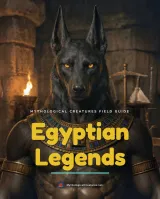
Egyptian Legends: A field guide to the gods and monsters of ancient Egypt
Guardians of the living and devourers of the dead, with the role each played in judgement.
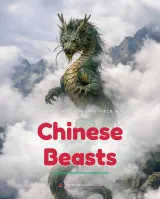
Chinese Beasts: A field guide to the dragons and demon kings of Chinese myth
From river dragons to demon kings, with the legends that shaped five thousand years of storytelling.
Japanese Yokai: A field guide to the spirits and demons of Japanese folklore
Fifteen spirits, with the signs to watch for and what the old tales say to do if you meet one.
the legend in five swipes.
For publishers and studios
Your next readers are already here
Many of our visitors are looking for books, campaigns, and resources that deepen their journey into myth. Position your title or setting here.
Discuss a placementQuick Creature Info
Origin:
Associations:
Our Mythic Legendary Rating:

Also Sometimes Known As:
Habitat:
Supernatural Powers:
Physical Attributes:
Abilities:
Behavior:
Lore:
References
Discover Another Mythical Legend You May Not Have Heard Of?
Uncover the mysteries of ancient folklore and expand your knowledge of legendary beings from cultures around the world.
Dare to Meet the Monopod....
-4d833d3e-8382-4049-82e1-3458ac9ec86f_small.webp "Depiction of Monopod")
The Mythological Creatures Book Series
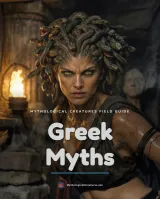
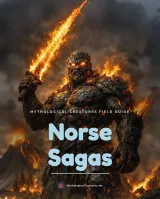
Yokai, Greek, Norse, Egyptian & Chinese. Five illustrated field guides to the creatures the old stories either warned or told you about.

Curated by the Mythological Creatures Team
Series editor: Mythological Creatures Directory
Primary desk: Hellenic & Ancient Mediterranean Desk
(rev. November 2025)