
Uriaș: Uriași are giant figures from Romanian folklore, renowned for their immense size and physical power.
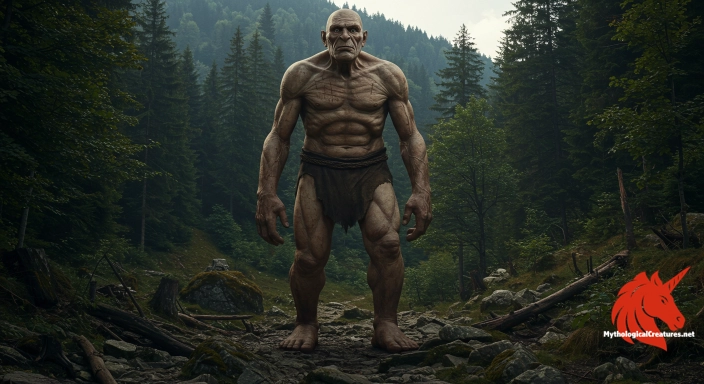
Uriaș
Uriaș - They are central figures in Romanian myth, embodying the archetype of giants with regional variations that highlight both creative and malevolent aspects.
Origins & First Encounters
Uriaș, the towering giants of Romanian folklore, have long fascinated listeners with their extraordinary size and enigmatic presence. Their origins lie deep within ancient myth, interlacing the natural world with the realm of legends. Emerging from a tradition passed down orally through generations, these colossal figures first appear in tales that evoke both admiration and trepidation. They are imbued with the essence of nature’s overwhelming power, reflecting a balance between creation and destruction. As the narrative evolved over centuries, the Uriaș came to symbolise the very forces that sculpt the land and shape human destiny. Their stories resonate with cultural beliefs and rituals that have been integral to regional identity. These giants serve as both awe-inspiring protectors and fearsome harbingers, encapsulating the duality of the human relationship with the natural world. Their enduring presence in folklore reinforces the deep historical and cultural roots of Romanian myth, inspiring new generations to explore the realm of the extraordinary. The mystique and monumental character of the Uriaș continue to be celebrated in diverse art forms, perpetuating a legacy that bridges ancient myth and modern imagination.
Source Texts & Tale Variants
Extensive collections of folklore and oral traditions have preserved a diverse array of narratives about the Uriaș, offering a rich tapestry of legendary documentation. These timeless tales were initially transmitted by word of mouth, later finding a place in manuscripts and local folklore compilations. Variations of the giant myth have been recorded across different regions, reflecting distinct cultural flavours and historical influences. In some traditions, the giants are known as Jidovi, whose name appears in legends from Oltenia that emphasise their role in shaping the landscape. Alternative accounts in Muntenia refer to them as Novaci, linking their presence to the rugged majesty of the Southern Carpathians. Such regional distinctions are echoed in the specific details and purposes assigned to these colossal beings, be it creation or an ominous influence on the landscape. Despite the differences in detail, the central motif of immense power remains a constant thread woven throughout the stories. The collective narrative, pieced together from various sources over time, reveals a complex interplay between local history and mythic imagination. These records not only preserve the giants’ spectral image but also highlight the cultural importance of storytelling in maintaining collective memory.
Form & Powers
The Uriaș are described as beings of extraordinary physical magnitude, their forms dwarfing the mortal scale with an almost indescribable presence. Their massive, muscular physiques evoke images of raw and elemental strength, with limbs that seem hewn from the very bedrock of earth. Descriptions commonly include wild, unrestrained hair, a fierce gaze, and a visage that is both noble and daunting. Their skin is often portrayed as rugged and weathered, bearing the marks of battles and ancient strife, which add to their mythic aura. In artistic portrayals, the giants are sometimes depicted wearing garments fashioned from natural elements, symbolising their deep-rooted connection with the land. The grandeur of their physical form is complemented by subtle details that suggest a timeless, almost eternal existence. While variations in size and facial features occur across regional renditions, these differences only enhance the rich tapestry of their legend. Every portrayal, whether in rustic murals or detailed folklore sketches, conveys an undeniable sense of formidable power and ancient wisdom. This blend of human and superhuman features not only elevates their physical presence but also marks them as enduring symbols of primordial might.
Regional Faces
The diverse regional interpretations of the Uriaș underscore the vibrant mosaic of Romanian folklore, where local customs shape myth into distinct local flavours. In the traditions of Oltenia, these giants are often known as Jidovi, celebrated as the mysterious creators of vast mounds that rise from the earth. Their role in these legends is not uniformly benign, with some stories casting them in a darker, more menacing light. Meanwhile, in Muntenia, the giants emerge under the name of Novaci, their narrative intricately interwoven with the rugged terrain of the Southern Carpathians. Such regional variations highlight how local geography and cultural history influence the portrayal of these supernatural beings. Some accounts illustrate them as solitary, almost elemental forces of nature, while others present them as integral parts of a shared cosmic tapestry. The shifts in character—from benevolent guardians to fearsome conquerors—reflect the varying societal values and environmental contexts of each area. Additionally, the distinct names and attributes of the giants serve as a cultural marker, reinforcing regional identity and historical continuity. This regional diversity enriches the overall myth, allowing the Uriaș to be both a unifying national symbol and a reflection of localized heritage.
Cultural Parallels
Comparative studies of myth reveal that the Uriaș hold a unique place among giants across various cultural traditions. Much like the epic jotnar of Norse lore or the formidable Titans of Greek mythology, these Romanian giants encapsulate the raw, chaotic force of nature. Their ability to both shape and destroy the world parallels the dual roles found in other legendary beings. While giants in many traditions are often depicted as antagonistic forces, the Uriaș are known to embody both creative and destructive powers, allowing them to bridge the gap between myth and reality. The association with natural formations, such as the mounds crafted by the Jidovi, aligns them with global mythic archetypes that attribute geological phenomena to the actions of supernatural beings. Yet, it is the distinctly local flavour of their narrative—mirrored in names like Novaci—that sets them apart from their counterparts in neighbouring cultures. This interplay between universal giant motifs and regional specificity underscores a dynamic process of myth-making. The parallels drawn with giants from Slavic or Celtic traditions further illustrate how naturally occurring symbols are adapted across cultural boundaries. Such comparative analysis not only enriches our understanding of the Uriaș but also celebrates the shared human fascination with the colossal and the sublime.
Legacy & Modern Evolution
Throughout history, the portrayal of the Uriaș has evolved, mirroring shifts in societal perspectives and artistic expression. Once exclusively preserved in oral traditions that celebrated their formidable nature, these giants have transcended ancient myth to become enduring symbols in modern culture. The narrative of the Uriaș, rich with both terror and wonder, has been continually reinterpreted in literature, fine art, and even cinematic portrayals. Contemporary adaptations often imbue them with layers of symbolic meaning, reflecting modern concerns about nature’s force and the passage of time. As Romania has progressed, these mythological figures have found a place in cultural festivals and museum exhibitions, ensuring that their legendary status remains vibrant. Their evolution from eerie titanic beings to nuanced figures in popular folklore highlights the dynamic interaction between myth and modern identity. Today, the giants serve as reminders of a time when nature and myth intertwined to explain the mysteries of the world. Their legacy is a powerful testimony to the timeless appeal of myth and the enduring resonance of folk traditions. In this way, the Uriaș continue to inspire and provoke, blending the ancient with the contemporary to offer profound insights into human culture.
Interesting Fact
A particularly intriguing aspect of the Uriași is the significant regional variation in their depiction, with some legends portraying them as benevolent landscape shapers while others emphasize a darker, more malevolent nature.
For serious myth projects
Feature your work alongside the legends
From academic works to story-rich games, we highlight projects that respect world mythologies. Talk to us about a measured, long-term placement.
Start a conversationQuick Creature Info
Features:
Associations:
Our Mythic Legendary Rating:

Also Sometimes Known As:
Habitat:
Supernatural Powers:
Physical Attributes:
Abilities:
Behavior:
Lore:
Related Creatures, Tales or Lore
- JJötunn
- GGreek Titans
- GGogmagog
References
Discover Another Mythical Legend You May Not Have Heard Of?
Uncover the mysteries of ancient folklore and expand your knowledge of legendary beings from cultures around the world.
Dare to Meet the Manaul....
Curated by the Mythological Creatures Team
Series editor: Mythological Creatures Directory
Primary desk: Hellenic & Ancient Mediterranean Desk
(rev. November 2025)