
Valefar: Valefar is a Duke of Hell known for tempting individuals to commit theft and for commanding ten legions of demons.
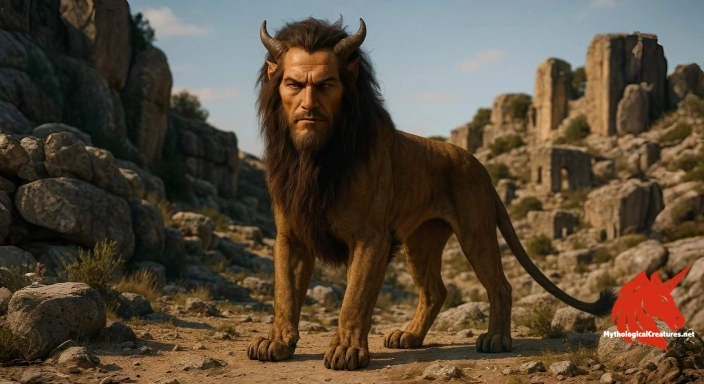
Valefar
Valefar - Valefar's role emphasises themes of temptation and treachery, serving as a cautionary figure in demonological lore
Origins & First Encounters
Valefar emerges from the annals of demonological lore as a formidable Duke of Hell whose reputation has been woven into the fabric of occult tradition. His many names, including Valefor, Malaphar, and Valafar, attest to the fluidity and evolution of his myth over centuries. Valefar is renowned not only for his association with theft but also for his role as a facilitator of illicit alliances among the criminally inclined. His earliest mentions can be found in grimoires that sought to catalogue the diverse hierarchy of the infernal realm, and these texts reveal a complex interplay between admiration and admonition. In these accounts, he is portrayed as both a seducer and an agent of treachery, embodying the dual edge of temptation. The allure of his charm, however, is irrevocably bound to the inherent risks of deceit and betrayal. As a character who bridges the worlds of the human and the supernatural, Valefar’s story reflects broader themes of moral decay and the seductive lure of vice. His enduring presence across centuries underscores a legacy steeped in caution and mystique, inviting both scholarly inquiry and imaginative reinterpretation.
Source Texts & Tale Variants
The primary sources offering insights into Valefar’s nature are predominantly medieval demonological texts and grimoires that meticulously catalog the infernal order. Notable among these are works like the Lesser Key of Solomon and various other arcane manuals, where he is consistently portrayed as a high-ranking demon. The narrative details provided in these works vary subtly, presenting him both as a charismatic tempter and as a stringent enforcer of the unspoken codes among thieves. Multiple manuscripts preserve differing accounts of his demonic legions and the mechanics of the temptations he orchestrates, highlighting the importance of context in his myth. Some sources emphasise his role in maintaining notable relationships among malefactors until their inevitable downfall. Others hint at an almost paradoxical nature, where his initial benevolence as a familiar turns swiftly into betrayal. These variations, preserved over time, signal the dynamic character of Valefar and the ways in which oral tradition and textual records have merged. The diverse story variants from these ancient texts continue to spark debate and inspire further research into the complexities of infernal hierarchies.
Form & Powers
Valefar is depicted with a striking and enigmatic physical form that blends the bestial with the human, making his image both captivating and unsettling. He is most commonly portrayed as a lion, an animal that conveys strength and regality, yet his head is that of a man, suggesting a cunning intellect and a capacity for deception. In certain renditions, however, his leonine features are accompanied by the head of a donkey, adding an element of stubbornness and earthy folly to his character. The vivid imagery of his dual attributes symbolises an inherent contradiction, where noble prowess is intermingled with base instincts. Artistic representations often highlight a flowing mane, sharp eyes, and an intimidating posture that projects both authority and menace. Subtle details, such as the texture of his fur and the contours of his facial structure, serve to underscore the paradoxical nature of his being. This amalgam of human and animal characteristics not only fascinates the viewer but also allegorically represents the treacherous blend of wisdom and folly. Through these intricate depictions, Valefar stands as a reminder of the fine line between allure and danger, as embodied in his ever-shifting form.
Regional Faces
Cultural interpretations of Valefar exhibit a rich tapestry of regional influences that colour his character with unique local flavours. In Western European demonology, his image is often refined by an air of calculated seduction, reflecting a nuanced approach to the themes of theft and duplicity. Some French occult sources detail a more genteel version of his personality, where his persuasive nature is given a sophisticated twist. In contrast, Italian texts sometimes accentuate the raw, almost feral aspects of his prowess, casting him in a harsher, more foreboding light. These regional adaptations are not merely aesthetic but also serve to mirror the local moral and social climates in which his stories were told. In certain Mediterranean tales, the emphasis on his role as a connector of thieves highlights a cultural fixation on the consequences of immoral ambition. Across various regional manuscripts, slight modifications in his narrative invite audiences to question the interplay between ethical transgression and charismatic leadership. Ultimately, these adaptations reflect the dynamic ways in which Valefar’s mythos has been reshaped to align with diverse cultural and societal norms.
Cultural Parallels
Valefar’s character invites intriguing comparisons with various mythological entities that straddle the boundaries between benevolence and malevolence. His role as a tempter of those inclined to theft finds echoes in other trickster figures whose cunning and moral ambiguity have left lasting impressions in world mythology. Attributes of his hybrid form often draw parallels with creatures such as sphinxes or manticores, where the intermingling of human intelligence with animalistic ferocity is a common motif. In a broader context, some narratives juxtapose his traits with those of gods and spirits who, while possessing an outward charm, conceal a darker undercurrent of betrayal, much like the dualities seen in figures like Loki. Such comparisons offer valuable insights into the universal nature of myth-making, where fears of subversion and the corruption of virtue recur across cultures. The way Valefar negotiates the interface between the esteemed and the ignoble is a theme that resonates with many folklores, which often serve as allegories for the human condition. His enduring relevance highlights the recurring motif of deception being masked by charisma, a narrative found in various ancient traditions. As such, Valefar stands as a testament to the enduring power of symbolic figures in exposing the complex interplay between temptation, cunning, and downfall.
Legacy & Modern Evolution
The historical evolution of Valefar’s image reflects a complex journey from medieval grimoires to modern interpretations in literature and visual art. Early accounts cast him as a key figure in the hierarchy of Hell, where his role in orchestrating larcenous endeavours served as a powerful moral warning against the perils of vice. Over the centuries, shifts in cultural attitudes toward occult and demonic figures have allowed his character to morph, sometimes embracing a more nuanced, almost tragic dimension. The Renaissance and Baroque periods in particular reimagined Valefar through elaborate illustrations and allegorical narratives that balanced his menacing reputation with an element of tragic allure. In more recent times, contemporary occult traditions and popular media have revived his image, often linking him with themes of rebellion and the subversion of conventional morality. Modern portrayals tend to emphasise the psychological aspects of his character, delving into the reasons behind his dual nature and the seduction of criminality. His legacy also permeates modern discussions on the nature of temptation, where his myth serves as both a warning and a symbol of the intricate dance between good and evil. The continued fascination with Valefar underlines the timeless nature of demonological allegories, ensuring that his enigmatic presence endures well into the present day.
Interesting Fact
Despite being initially regarded as a good familiar, Valefar's favour is fleeting, highlighting the inherent treachery and deceit that define his character.
Reach myth fans
Connect your myth-driven brand with this audience
Our readers are writers, educators, gamers, and collectors who care about mythology. Enquire about a limited sponsor placement on creature pages.
Enquire about sponsorshipQuick Creature Info
Associations:
Our Mythic Legendary Rating:

Also Sometimes Known As:
Habitat:
Supernatural Powers:
Physical Attributes:
Abilities:
Behavior:
Lore:
Related Creatures, Tales or Lore
References
Discover Another Mythical Legend You May Not Have Heard Of?
Uncover the mysteries of ancient folklore and expand your knowledge of legendary beings from cultures around the world.
Dare to Meet the Flidais....
Curated by the Mythological Creatures Team
Series editor: Mythological Creatures Directory
Primary desk: Hellenic & Ancient Mediterranean Desk
(rev. November 2025)