
Valkyrie: Valkyries are revered female figures in Norse mythology known for selecting slain warriors and guiding them to Valhalla.

Valkyrie
Valkyrie - They embody the ideal of heroic demise and the transcendent link between mortal valor and divine destiny.
Origins & First Encounters
In the vibrant tapestry of Norse mythology, the Valkyries stand out as ethereal figures imbued with both grace and martial vigour. Their name, derived from the Old Norse term 'valkyrja', literally signifying the 'chooser of the slain', anchors them deeply in the heroic ethos of ancient Scandinavia. They originated from a rich blend of early Germanic and Viking cultural traditions that celebrated battle and honour. Frequently depicted as both divine harbingers and nurturing guides, these formidable beings were believed to escort the bravest warriors to Odin’s majestic hall of Valhalla. Early attestations in poetic and saga traditions, notably in texts such as the Poetic Edda and Prose Edda, highlight their long-standing role within these storied traditions. Their presence on the battlefield was seen as intertwined with fate itself, with each encounter reinforcing the inevitability of mortal destiny. Beyond their martial associations, they also embraced a nurturing aspect by offering mead and solace to the chosen warriors. Their dual roles as agents of death and figures of benevolence reflect the complex interplay between mortality and immortality in Norse belief. Steeped in symbolic meaning, the Valkyries continue to fascinate modern audiences with their timeless blend of beauty, strength, and mysticism.
Source Texts & Tale Variants
A wealth of ancient texts and oral traditions serve as the primary sources for understanding the Valkyries. The Poetic Edda and Prose Edda stand as foundational works that vividly recount the roles of these mythic figures on the battlefields of old. Other medieval narratives, including sagas such as the Heimskringla and Njáls saga, enrich their lore with layers of heroic and mystical detail. Skaldic poetry further embellishes their images, offering lyrical descriptions that blend the stark realities of combat with otherworldly grace. In addition, runic inscriptions and archaeological amulets discovered across Scandinavia have provided tangible evidence of their widespread veneration. Later folklore and even a few post-medieval charms continue to reference the Valkyries, thereby ensuring their stories persist through the ages. The differing versions of their tales, whether emphasising their martial duties or romantic entanglements with heroes, highlight the dynamic nature of their mythology. Oral traditions, passed down through generations, have allowed for regional reinterpretations and subtle variations of their character. Each source adds a unique perspective, collectively weaving a rich narrative tapestry that defines the Valkyries’ enduring mythic presence.
Form & Powers
The traditional portrayal of the Valkyries is marked by an aura of otherworldly beauty interlaced with formidable strength. They are often depicted wearing gleaming armour that strikes a balance between the practicality of battle and the elegance befitting divine heralds. Flowing garments and intricately designed helmets frequently adorn their figures, symbolising both noble heritage and readiness for combat. Their eyes are sometimes described as piercing, possessing a luminous intensity that reflects the souls of the fallen. Details such as meticulously braided hair, ornate buckles, and even subtle tattoos accentuate their elevated status in mythology. In many artistic renditions, these figures are accompanied by ravens or are shown with hints of swan-like grace, further linking them to the natural symbols of wisdom and transformation. Artistic depictions are rarely uniform; variations suggest that their appearance could change subtly depending on the artist’s intent or regional influence. Despite these differences, common elements like a statuesque posture and the air of indomitable resolve remain constant. Thus, the Valkyries consistently embody a striking amalgamation of martial power and ethereal beauty that captivates the viewer.
Regional Faces
The myth of the Valkyries has traversed diverse cultural landscapes, adapting to local contexts and evolving regional traditions. Within the Nordic regions, they are intricately tied to the warrior culture and the rituals of honour, celebrated as both divine selectors of slain heroes and as enigmatic protectors. In the British Isles, the existence of the Old English term wælcyrge points to a parallel tradition that melded Norse influences with native pagan lore. Icelandic sagas sometimes portray them with an added layer of seductiveness, emphasising a dual nature that balances fierceness with allure. In various Scandinavian regions, subtle differences emerge in how they are depicted—ranging from the style of armour and attire to the symbolic motifs such as birds and natural elements. Some local renditions even broaden their roles to include prophetic gifts or guidance in everyday life, thus extending their myth beyond the battlefield. Despite these regional nuances, the underlying narrative of shaping fate and honouring the valiant remains consistent. Local artistic expressions have also left their mark, with distinct colour palettes and design features reflecting the rich cultural heritage of each area. This regional multiplicity only deepens the allure and mystique of the Valkyries as timeless figures transcending geographical boundaries.
Cultural Parallels
The Valkyries hold a unique place in the global mythological lexicon, yet their attributes resonate with similar figures from various cultural traditions. Their role in selecting and guiding heroic souls finds echoes with the Celtic depictions of war goddesses like the Morrigan, who sojourn between the realms of battle and prophecy. Comparable themes appear in Slavic myths as well, where female spirits are tasked with ensuring the cosmic balance between life and death. Even in the classical traditions of ancient Greece, aspects of divine intervention in mortal affairs, akin to those of Athena, share subtle parallels with the Valkyries' martial and advisory functions. These cross-cultural connections underline a shared human fascination with the intersection of destiny, death, and heroic transcendence. Both the Valkyries and their counterparts in other cultures symbolise the reverence for strength, sacrifice, and the transformative power of battle. The recurring motif of a female figure navigating the threshold between worlds suggests a universal archetype that transcends cultural boundaries. In comparative terms, the Valkyries embody themes that have been universalised across civilizations, reinforcing the idea that myth serves as a common medium for exploring the profound mysteries of fate. Their enduring narrative thus mirrors the timeless human quest to understand and artistically represent the journey from life to the afterlife.
Legacy & Modern Evolution
Over the centuries, the depiction of the Valkyries has evolved significantly from its early medieval roots to a rich, multifaceted modern legacy. Originally conceptualised solely as choosers of slain warriors to Valhalla, they have increasingly become symbols of both martial honour and feminine empowerment. Their early appearances in Norse sagas have paved the way for later reinterpretations in operas, literature, and visual arts, notably inspiring works such as Wagner’s epic opera 'Die Walküre'. With the advent of modern media, including comic books, video games, and films, the Valkyries have assumed roles that challenge and expand traditional gender roles. Contemporary portrayals often emphasise their strength, independence, and the mystique of their supernatural abilities, resonating with an audience that values iconic, powerful female figures. This ongoing reinvention has seen them transform from enigmatic, battlefield guides into complex characters imbued with both passion and political symbolism. Modern adaptations frequently explore themes of transformation and redemption, linking ancient myth with current social narratives. Their depiction in diverse mediums testifies to the universal resonance of their mythic symbolism, bridging the gap between past and present. The Valkyries, therefore, continue to inspire and challenge our perceptions of heroism, femininity, and the eternal dance between life and death.
Interesting Fact
Valkyries have transcended their mythological origins to become iconic figures in modern popular culture, often reimagined in various forms from literature to video games.
Advertising opportunity
Showcase your mythology project
We offer limited sponsor placements for books, courses, games, and creators aligned with our audience.
View partnership optionsQuick Creature Info
Origin:
Features:
Associations:
Our Mythic Legendary Rating:

Also Sometimes Known As:
Habitat:
Supernatural Powers:
Physical Attributes:
Abilities:
Behavior:
Lore:
Related Creatures, Tales or Lore
- NNorns
- DDísir
- FFreyja
References
Discover Another Mythical Legend You May Not Have Heard Of?
Uncover the mysteries of ancient folklore and expand your knowledge of legendary beings from cultures around the world.
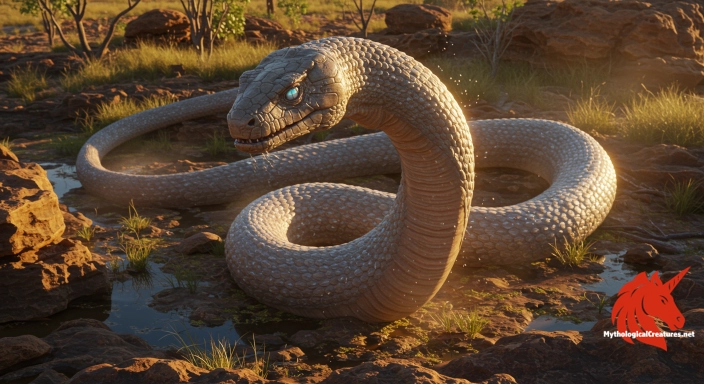
Dare to Meet the Ungud....
Curated by the Mythological Creatures Team
Series editor: Mythological Creatures Directory
Primary desk: Northern & European Folklore Desk
(rev. November 2025)