
Valravn: Valravn is a supernatural creature from Danish folklore, known as the raven of the slain.
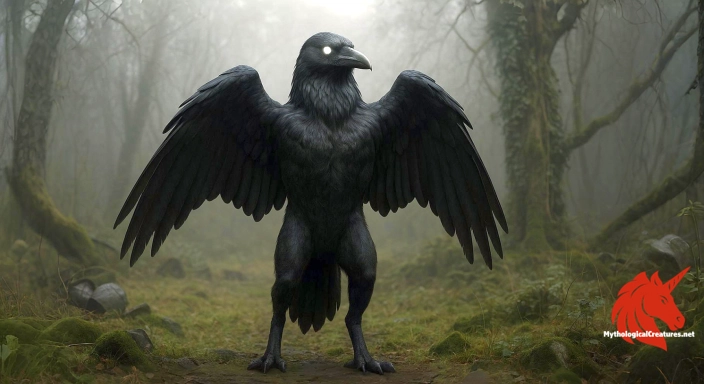
Valravn
Valravn - Represents the dark metamorphosis following death and the merging of mortal and supernatural realms.
the legend in five swipes.
the legend in five swipes.
How did the legend of the Valravn begin?
Valravn, the 'raven of the slain', is steeped in the rich tapestry of Danish folklore and embodies the eerie intersection between life, death, and metamorphosis. It is a creature that emerges from the chaos of battle, its origins bound to the remnants of fallen warriors and the spectral energies of the battlefield. Historical narratives hint that its earliest attestations were preserved in the oral traditions and folksongs of rural Denmark. Over time, these legends have woven the valravn into the cultural fabric as both an omen and an agent of transformation. The creature’s dual nature, oscillating between a supernatural bird and a fearsome knight, reflects the turbulent essence of war and the mysticism of dying moments. Its presence in popular lore is not merely a warning of death, but also a symbol of the eerie beauty that can arise from tragedy. The myth has grown to encapsulate themes of retribution, rebirth, and the ever-shifting boundary between the mortal and the supernatural. Intricate layers of meaning have made it a subject of both dread and fascination among those who study myth and legend. The lore of the valravn continues to capture the imagination, inviting both critical enquiry and artistic expression.
What sources tell us about the Valravn?
Traditional Danish folksongs are among the earliest and most significant sources of the valravn’s lore, serving to anchor the creature firmly in the oral tradition. These recitations often paint a picture of ravens that dine on the dead, a practice that endows the valravn with its macabre reputation. Various ballads and narrative verses introduce different variants of the creature, where some accounts describe the valravn transforming into a noble, yet haunted, knight after consuming a child’s heart. Other renditions depict it as a hybrid being, combining the savage features of both a wolf and a raven. Medieval manuscripts occasionally hint at the existence of such creatures, although their mentions are sporadic and interwoven with allegorical lessons of morality and fate. As the stories were passed down through generations, variations emerged, each subtly adjusting the creature’s attributes to reflect local superstitions and cultural nuances. Many of these narratives were preserved in the intimate setting of family gatherings and community festivals, ensuring the lore remained vibrant and mutable. In scholarly compilations of folklore, collectors have noted that while the primary motifs remain consistent, regional storytellers often introduce unique twists that enrich the valravn’s mythos. The multifaceted accounts contribute to a layered understanding that blends historical events with imaginative reinterpretations across different periods.
What did people say the Valravn looked like?
The valravn is depicted with a formidable and mutable appearance that challenges straightforward description. In its most recognised form, it is a gigantic raven, with feathers that shimmer in the dim light of a battlefield, creating an almost otherworldly aura. Its eyes are often described as glowing embers, hinting at a wisdom forged in the fires of war and sorrow. When the creature transforms, typically after consuming the heart of a child, it takes on the semblance of a knight clad in spectral armour that appears both majestic and menacing. In alternative narratives, the valravn is portrayed as a hybrid creature, its body merging the sleek, feathery exterior of a raven with the sinewy and predatory essence of a wolf. This version emphasises an animalistic strength combined with a supernatural intelligence that defies the natural order. Variations in size have been noted in different tales, with some depicting it as larger than any ordinary bird and others presenting a form more in keeping with humanoid proportions. The intricate details of its anatomy—raven wings, a wolf-like snout, and an almost skeletal build—serve to underline its role as a creature of both death and dark rebirth. Each physical attribute challenges the boundaries between natural and supernatural forms, contributing to its lasting mythic allure.
Valravn Across Different Regions
The portrayal of the valravn has evolved uniquely across different regions of the Danish cultural sphere and beyond. In rural Denmark, the creature is often seen as an ominous harbinger, with local tales highlighting its connection to battlefields and the restless spirits of fallen warriors. Moving into other Scandinavian territories, similar entities appear under different names and are adapted to reflect local beliefs about the afterlife and animal spirits. In some northern regions, storytellers have emphasised its wolfish characteristics, intertwining its myth with local wolf folklore and the symbolism of lunar cycles. Alternatively, in areas closer to the Germanic border, the valravn is sometimes portrayed with an added air of chivalric mystery, where the transformation into a knight hints at a corrupt and tragic nobility. Each region adapts the core myth to align with its own historical encounters with war, death, and the supernatural. Influences from neighbouring cultures have led to hybrid depictions which may blend Norse myth with folk beliefs in other parts of Europe. The geographical spread of the legend has resulted in subtle shifts, with the creature's attributes emphasised or downplayed according to local superstitions. This regional adaptability not only enriches its lore but also illustrates how communal experiences of trauma and loss shape mythic narratives.
Is the Valravn unique, or found elsewhere?
The valravn shares intriguing similarities with other mythological creatures found across Europe, particularly within Norse and Celtic traditions. Like Odin’s ravens, Huginn and Muninn, the valravn is associated with both wisdom and the grim reality of death, yet it also harbours a darker, more transformative aspect. Elements of its shapeshifting nature have parallels in the lore of werewolves and other creatures that bridge the human and animal realms, highlighting a common cultural fascination with metamorphosis. Similar to certain Slavic legends where consuming the dead bestows unnatural abilities, the valravn’s metamorphosis underscores a recurring theme of transformation through forbidden acts. Comparisons have also been drawn to the spectral knights of medieval romance, suggesting that the blending of animal and noble forms is part of a broader European narrative arc. In both the valravn and its cultural counterparts, there is a tension between the natural order and supernatural transgression, serving as a metaphor for the consequences of war and moral decay. This cross-cultural dialogue emphasises how different communities process the realities of death and the mystery of the beyond. The creature’s duality resonates with a universal mythological language, inviting comparisons across traditions that share similar symbols of decay, rebirth, and the power of the grave. By examining these cultural parallels, one sees that the valravn is not unique in its nature, but part of a wider mythic tradition that transcends national boundaries and historical epochs.
How did the Valravn survive into the modern world?
Over the centuries, the valravn has undergone a dynamic evolution from a shadowy figure of local myth to an emblematic character in modern fantasy literature and popular culture. Early depictions rooted in rustic oral traditions have been reinterpreted by contemporary artists, writers, and filmmakers, who often highlight its enigmatic transformation and dual identity. In modern interpretations, the creature serves as a potent symbol of the interplay between honour and brutality, frequently invoked in narratives that explore the nature of war and transformation. Visual representations now often merge Gothic aesthetics with elements of dark fantasy, portraying the valravn as a mysterious antihero caught between human fragility and supernatural might. Its depictions have been enriched by modern sensibilities, where ambiguity and moral complexity invite audiences to sympathise with its tragic destiny. The legacy of the valravn continues to inspire reinterpretations across various media, from graphic novels and video games to theatre and digital art. Contemporary scholarship also revisits the creature as a window into medieval perceptions of death, warfare, and the supernatural. This enduring relevance is a testament to the power of myth to adapt and resonate with changing cultural landscapes. As a result, the valravn remains both an object of academic interest and a muse for creative expression, standing as a timeless bridge between the ancient and the modern.
Interesting Fact
An intriguing aspect of the valravn is its dual existence as both a scavenger of death and a shape-shifter, demonstrating the folklore belief that even in demise, there is potential for both transformation and terror.
Mythological Treasures
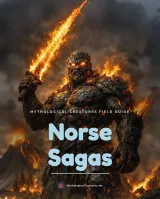
Norse Sagas: A field guide to the beasts of the Viking world
Drawn from the saga accounts themselves, with the powers, weaknesses and doom of each being set out.
Greek Myths: A field guide to the monsters of ancient Greece
Every monster here earned its place in legend, and each gets a full page of artwork and the story behind it.
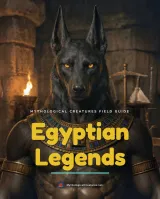
Egyptian Legends: A field guide to the gods and monsters of ancient Egypt
Guardians of the living and devourers of the dead, with the role each played in judgement.
the legend in five swipes.
For publishers and studios
Your next readers are already here
Many of our visitors are looking for books, campaigns, and resources that deepen their journey into myth. Position your title or setting here.
Discuss a placementQuick Creature Info
Origin:
Associations:
Our Mythic Legendary Rating:

Also Sometimes Known As:
Habitat:
Supernatural Powers:
Physical Attributes:
Abilities:
Behavior:
Lore:
Related Creatures, Tales or Lore
- HHuginn
- MMuninn
- TThe Morrígan
References
Discover Another Mythical Legend You May Not Have Heard Of?
Uncover the mysteries of ancient folklore and expand your knowledge of legendary beings from cultures around the world.
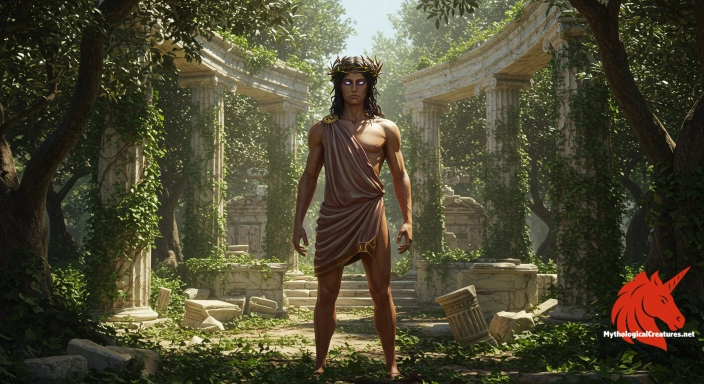
Dare to Meet the Zagreus....
The Mythological Creatures Book Series
Yokai, Greek, Norse, Egyptian & Chinese. Five illustrated field guides to the creatures the old stories either warned or told you about.
Curated by the Mythological Creatures Team
Series editor: Mythological Creatures Directory
Primary desk: Northern & European Folklore Desk
(rev. November 2025)