
Zagreus: Zagreus is an ancient Greek deity associated with the underworld and the cycle of rebirth.
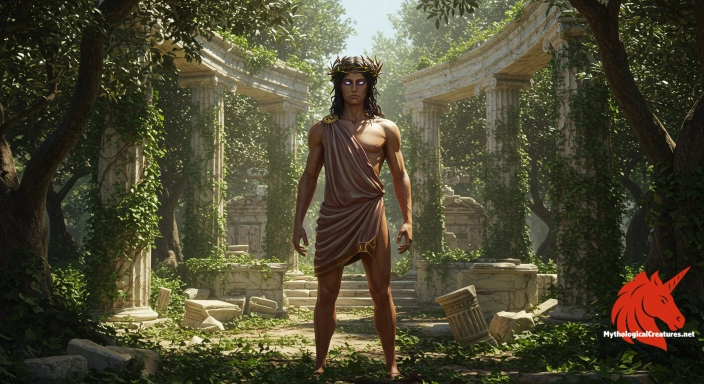
Zagreus
Zagreus - Zagreus represents the cycle of death and rebirth, symbolising transformation and regeneration in myth.
Origins & First Encounters
Zagreus stands out as a compelling figure whose myth bridges the domains of life, death, and rebirth. He emerges from the murky confluence of divine lineages, sometimes cited as the son of Zeus and Persephone, and at other times portrayed as a darker offspring of Hades and Persephone. This blending of celestial and chthonic elements imbues his narrative with a profound mystery that defies simple categorisation. His identity, overlapped with that of an Orphic Dionysus, further intertwines the themes of ecstatic transformation and ritual resurrection. Ancient myth rendered him as a god whose very essence symbolised an eternal cycle of dismemberment and renewal.
The dramatic account of his fateful dismemberment at the hands of the Titans, followed by a miraculous rebirth, provided early worshippers with a powerful metaphor for the natural order of decay and regeneration. His story resonated deeply in a culture that valued the interplay between mortal fragility and divine immortality. The fluidity of his origins reflects the eclectic nature of ancient Greek religious thought, where myth served as both allegory and ritual practice. In weaving together divergent strands of divine ancestry, Zagreus came to embody the tension between light and darkness, creation and destruction. Over the centuries, his multifaceted identity has continued to inspire interpretations that highlight the eternal dance between demise and rebirth.
Source Texts & Tale Variants
Ancient literary fragments and enigmatic hymns provide the earliest glimpses into the myth of Zagreus. Orphic texts, in particular, celebrate him as a figure who transcends simple mortal constraints by blending the divine with the chthonic. These sources, though fragmentary, imbue his story with a rich tapestry of symbolic death and renewal that continues to fascinate readers. In dramatic works by figures such as Aeschylus, his identity is often interwoven with that of Hades, blurring the lines between different divine realms. Such accounts reflect the inherent fluidity of Greek myth, where a deity’s roots could shift to mirror evolving religious sensibilities.
Later interpretations expanded his narrative by linking him with the cult of Dionysus, thereby introducing themes of ecstatic revelry and intoxication. Various story variants recount the catastrophic act of his dismemberment by the Titans and his subsequent reassembly—a narrative motif that reinforced his status as a symbol of perpetual transformation. The multiplicity of these versions underscores the diverse theological and regional agendas that shaped his myth. Although many of the original texts have been lost to time, the surviving references continue to serve as a rich source of inspiration and debate. Overall, the scattered primary sources contribute to an enduring and adaptable myth that has intrigued scholars and enthusiasts alike.
Form & Powers
In artistic and literary portrayals, Zagreus is frequently depicted as a youthful and radiant figure whose form suggests both fragility and an otherworldly permanence. His visage is often adorned with luminous eyes and a countenance that hints at inner turmoil juxtaposed with divine grace. Iconography associated with him sometimes features vine leaves, ornamental wreaths, and flowing garments—a visual language that connects him to the realms of Dionysus and natural fertility. The interplay of light and shadow in these depictions accentuates a duality: one that is at once celebratory of life’s vibrancy and somber in its recognition of inevitable decay. His appearance encapsulates the paradox of being both mortal in form and immortal in essence.
Some renditions of his imagery even incorporate subtle traces of violence, such as hints of dismemberment, which serve as symbolic references to his mythic demise. These artistic choices suggest that his physical representation was deliberately crafted to evoke themes of fragmentation and subsequent restoration. Regional variations in iconography sometimes highlight a more chthonic aspect, with darker hues and rugged textures that emphasise his connection to the underworld. Despite these differences in style, artists across time have maintained a core visual narrative that celebrates transformation. This enduring aesthetic continues to inspire modern depictions that balance beauty with an undercurrent of haunting melancholy.
Regional Faces
The myth of Zagreus displays a remarkable elasticity, adapting to the cultural and religious sensibilities of various regions across the ancient Greek world. In some locales, he was revered predominantly as a chthonic deity intertwined with the mysteries of the underworld, while in others his persona merged seamlessly with the exuberant rites of Dionysus. Local cults often tailored his story to emphasise the seasonal cycles of nature, celebrating his dismemberment and rebirth as allegories for harvest and renewal. Regional iconography sometimes portrayed him with distinctive attributes, reflecting local artistic traditions and symbolic needs. These variations allowed communities to connect with his myth in a way that resonated with their unique experiences of life, death, and regeneration.
Moreover, in areas where underworld worship held sway, Zagreus was often depicted as a mediator between the living and the dead, a bridge linking earthly life with the mysteries beyond. Conversely, regions with a pronounced tradition of ecstatic celebration presented him as a god of revelry and divine intoxication. This cultural adaptability meant that his myth, deeply rooted in themes of transformation and cyclicality, could be celebrated both in solemn rites and in jubilant festivals. The regional diversity in his worship underscores the flexibility of Greek myth, in which a single deity could embody multiple, sometimes contradictory, aspects of the divine. Ultimately, these local adaptations enriched his legacy, ensuring that his narrative retained a dynamic relevance across disparate communities.
Cultural Parallels
The story of Zagreus invites enticing comparisons with other mythological figures who undergo dismemberment and resurrection. His narrative echoes that of Osiris from Egyptian mythology, where dismemberment similarly serves as a precursor to rebirth and eternal renewal. Like Osiris, the fate of Zagreus is central to a larger cosmological cycle that encapsulates the transformative power of death. His close identification with Dionysus further deepens these parallels, as both deities encapsulate the dual forces of ecstasy and decay inherent in the human experience. The motif of fragmentation followed by reconstitution is a recurrent theme across various cultures, underscoring a universal preoccupation with the cycles of destruction and regeneration.
This multifaceted mythology draws additional comparisons with deities in broader Mediterranean and Near Eastern traditions, where rites of passage often involve symbolic dismemberment as a transformative ordeal. Such cross-cultural resonances reveal a shared human fascination with the mysteries of life and death. In drawing these comparisons, one can appreciate how myths like that of Zagreus contribute to a universal narrative framework that seeks to explain the cyclical nature of existence. His story challenges strict dichotomies by emphasising interconnections between creation and destruction. Overall, the comparative analysis of Zagreus alongside other resurrection deities highlights the enduring symbolic power of dismemberment as a metaphor for transformation across civilizations.
Legacy & Modern Evolution
The evolution of Zagreus’s myth attests to its enduring allure and the adaptability of myth in the passage of time. Initially emerging as a shadowy chthonic figure, his identity gradually expanded to encompass the vibrant aspects of Dionysian ecstasy and rebirth. This synthesis of attributes reflects broader trends within ancient religious thought, where gods were often reimagined to address contemporary spiritual and existential concerns. Through the ages, ritual specialists and philosophers alike have found in his saga a mirror for the natural cycles of decay and regeneration. His myth, therefore, has long served as a dynamic symbol, inviting interpretations that speak to the human condition and the inevitability of change.
Modern reinterpretations of his narrative continue to resonate in art, literature, and alternative spiritual practices. Contemporary artists and mystics have embraced Zagreus as a potent emblem of transformation, reimagining his dismemberment and resurrection as metaphors for personal and social metamorphosis. This recontextualisation is further reinforced by the modern neopagan revival, where ancient symbols are revived to inspire new rituals and philosophies. As scholarly inquiries delve deeper into the layers of his myth, Zagreus remains a vibrant touchstone for discussions about the interplay between life, death, and rebirth. His enduring legacy ensures that, even today, he stands as a dynamic symbol of continual metamorphosis and the ceaseless evolution of myth.
Interesting Fact
Zagreus' narrative of being dismembered and reborn finds parallels in other mythologies, notably in the stories of Osiris and Tammuz, reinforcing the universal archetype of regeneration.
For serious mythcraft
Your project belongs among the legends
If your work deepens how people understand, play with, or teach mythology, a sponsor placement here keeps it in front of the right readers all year.
Submit a sponsorship enquiryQuick Creature Info
Origin:
Associations:
Our Mythic Legendary Rating:

Also Sometimes Known As:
Habitat:
Supernatural Powers:
Physical Attributes:
Abilities:
Behavior:
Lore:
Related Creatures, Tales or Lore
- OOrphic Dionysus
- OOsiris
- TTammuz
References
Discover Another Mythical Legend You May Not Have Heard Of?
Uncover the mysteries of ancient folklore and expand your knowledge of legendary beings from cultures around the world.
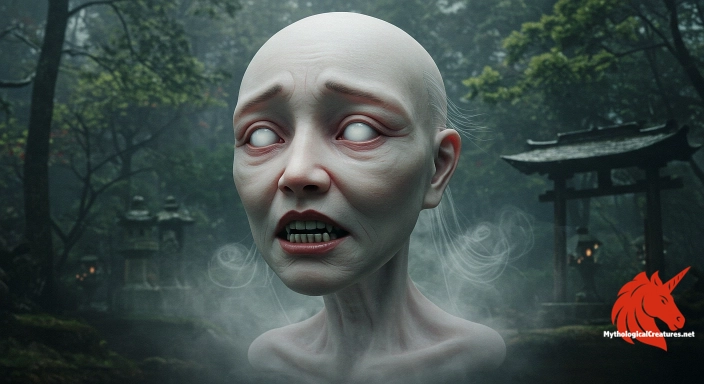
Dare to Meet the Ōkubi....
Curated by the Mythological Creatures Team
Series editor: Mythological Creatures Directory
Primary desk: Hellenic & Ancient Mediterranean Desk
(rev. November 2025)