
Ventolín: Ventolines are benevolent air spirits from Cantabrian mythology, depicted as angelic beings with large green wings and luminous white eyes.
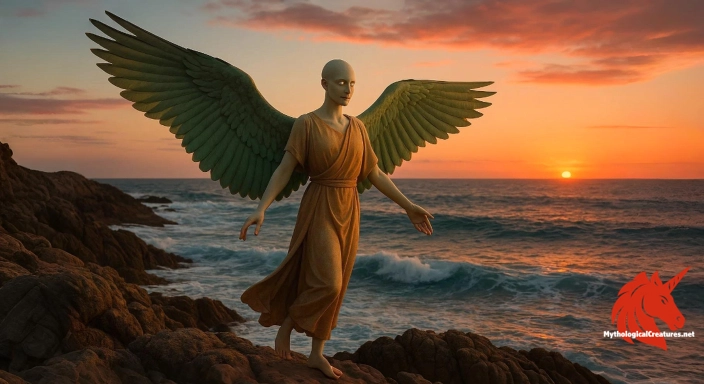
Ventolín
Ventolín - Embodies the harmonious relationship between nature and seafaring communities, offering aid and protection to those at sea
Origins & First Encounters
The ventolines emerge from the mists of Cantabrian myth as enigmatic spirits of the air, interweaving maritime tradition with celestial wonder. Born from the whispers of coastal life, these beings have long been revered by fishermen and sailors who journey the unpredictable seas. Their origins lie deep within oral traditions, where the interplay of the wind and the sea gave birth to narratives of divine intervention. Centuries of storytelling have imbued them with a sense of mystery and benevolence, fostering a protective aura around their myth. The ventolines are not merely ethereal figures but embody the enduring connection between humanity and the elements. Their association with the brilliant hues of sunset and the gentle caresses of the wind lends them a timeless quality. In a culture where the sea is both a breadwinner and a capricious adversary, these creatures serve as vital symbols of hope and assistance. Their legacy is interlaced with the rhythms of the ocean, reminding all who hear their tale of nature’s quiet miracles and its power to uplift the weary.
Source Texts & Tale Variants
The primary narratives of the ventolines are preserved in a rich oral tradition that has been passed down among generations of Cantabrian seafarers. Ancient ballads and folk verses capture their kind deeds, echoing in the refrain that calls to mind a tired fisherman and his steadfast companions in the air. Over time, these gentle spirits have been recorded in local anthologies and regional folklore collections, each version adding layers of detail and nuance. The familiar verse that recounts their arrival to aid the weary sailor remains one of the most evocative literary imprints of their lore. Various rural manuscripts and recountings during community gatherings have solidified their role as indispensable helpers at sea. The inherent fluidity of these stories has allowed for multiple interpretations, with some versions emphasising their role as healers, while others focus on their mastery over the wind. Despite the scarcity of formal historical texts, the powerful imagery and recurring motifs in these ballads reinforce their significance. Even casual recountings during local festivals help to preserve their narrative, ensuring that their legacy endures well into the present.
Form & Powers
The ventolines are typically envisioned as luminous and graceful figures, distinguished by their expansive, resplendent green wings that shimmer with the vitality of nature. Their eyes, described as bright and white as the frothy crests of ocean waves, convey an expression of serenity and otherworldly wisdom. The interplay of light on their feathers creates an aura of translucence, suggesting a presence that oscillates between the material and the spiritual. Their forms are both delicate and robust, evoking the image of timeless beings who are at once ethereal and assertively powerful. The vivid, green hue of their wings evokes images of abundant forests and thriving springs, reinforcing the notion of their connection with the natural world. Often portrayed amid the reddish clouds of twilight, their appearance is as much a celebration of nature’s beauty as it is a testament to their mystical heritage. Variations in the tales sometimes hint at subtle differences in stature, with some accounts portraying them as medium-sized beings whose features blend into the ambient glow of sunset. Their entire visage, from the luminous quality of their eyes to the intricate detailing of their wing feathers, is crafted with a precision that highlights both divinity and grace.
Regional Faces
Within the Cantabrian landscape, the ventolines stand as central figures in the local lore of coastal communities, where the interplay of land and sea fuels creative narratives. In some areas, their depiction is closely tied to the rhythms of the ocean, positioning them as benefactors whose timely interventions bring both physical and emotional relief. Rural inland communities, although less connected to the sea, have adapted their image to symbolise seasonal change and nature’s capricious favour. Across various Cantabrian villages, slight regional differences in the description of their wing colour or countenance illustrate the rich tapestry of local imagination. In neighbouring Basque and Asturian traditions, similar wind and water spirits echo the virtues celebrated in ventolines, reinforcing shared cultural values. Local customs often celebrate their presence during maritime festivals, lending a tangible sense of magic to everyday life. These regional adaptations not only highlight environmental diversity but also underscore the intrinsic value of storytelling as a means to understand nature’s forces. Intertwined with the local identity, ventolines remain a cherished emblem of communal resilience in the face of both natural abundance and adversity.
Cultural Parallels
The ventolines share a kinship with numerous mythological spirits found throughout Europe, each embodying the delicate balance between nature and the divine. Comparable to the gentle Zephyrs of Greek lore, these beings illustrate how wind and weather are often personified in cultures that thrive on seafaring and agriculture. Their graceful, winged form also brings to mind medieval angelic figures whose essence bridges the celestial and the earthly. Similar in function to the pagan fae, who watch over natural domains, ventolines provide a protective presence that resonates with the universal yearning for guidance. In some respects, they echo the roles attributed to the Irish and Scottish nature spirits, where benevolence and elemental power merge seamlessly. Such cross-cultural parallels underline a shared human fascination with the transformative aspects of air and light. Their depiction as both allies and overseers of natural forces is a recurring theme that transcends borders. The intermingling of human frailty with divine intervention, as observed in the tale of the ventolines, finds resonances in a broad spectrum of global mythologies. Through these multifaceted comparisons, ventolines not only affirm their local importance but also participate in a rich, pan-European narrative of nature’s guardians.
Legacy & Modern Evolution
Over centuries, the depictions of ventolines have evolved from secluded marine spirits into enduring icons of hope, resilience, and harmonious living with nature. Traditional ballads and tales that once recounted their intervention in the lives of solitary fishermen now inspire modern art, literature, and even digital media. Contemporary interpretations often cast these beings in a light that emphasises environmental stewardship, subtly reminding us of the intricate balance between humankind and the natural world. They have been reimagined in visual arts, with painters and sculptors capturing their ethereal green wings and luminous countenances amidst dynamic seascapes. In local festivals and community celebrations, the ventolines are celebrated as symbols of benevolence and the timeless magic of the coastal spirit. Their narrative has also been revitalised by storytellers who blend old traditions with modern sensibilities, thus extending their reach beyond the confines of Cantabrian folklore. The transformation of these legends underscores how mythology adapts and endures over time, reflecting socio-cultural changes while preserving core values. In every reimagining, the ventolines continue to serve as vivid reminders of nature’s mystique and its unfailing capacity to nurture and inspire. Their legacy, firmly rooted in ancient seafaring traditions, remains a potent force in the collective cultural imagination of the region.
Interesting Fact
An interesting facet of ventolines is that they personify both the unpredictable nature of the wind and its nurturing capacity, bridging the realms of air and sea.
Support the directory
Promote your myth project and fund more research
Sponsor placements help keep this directory growing and free to use while giving your work a focused, relevant audience.
Learn how sponsorship worksQuick Creature Info
Associations:
Our Mythic Legendary Rating:

Habitat:
Supernatural Powers:
Physical Attributes:
Abilities:
Behavior:
Lore:
Related Creatures, Tales or Lore
- SSylph
- ZZephyrus
- AAura (Breeze Spirit)
References
Discover Another Mythical Legend You May Not Have Heard Of?
Uncover the mysteries of ancient folklore and expand your knowledge of legendary beings from cultures around the world.
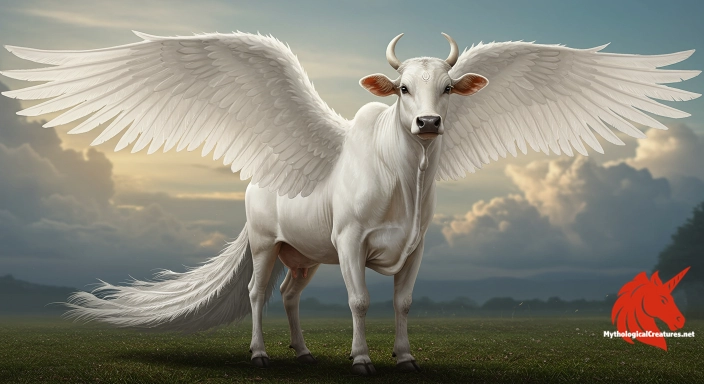
Dare to Meet the Surabhi....
Curated by the Mythological Creatures Team
Series editor: Mythological Creatures Directory
Primary desk: Hellenic & Ancient Mediterranean Desk
(rev. November 2025)