
Surabhi: Surabhi, also known as Kamadhenu, is a divine bovine goddess from Hindu mythology revered as the mother of all cows.
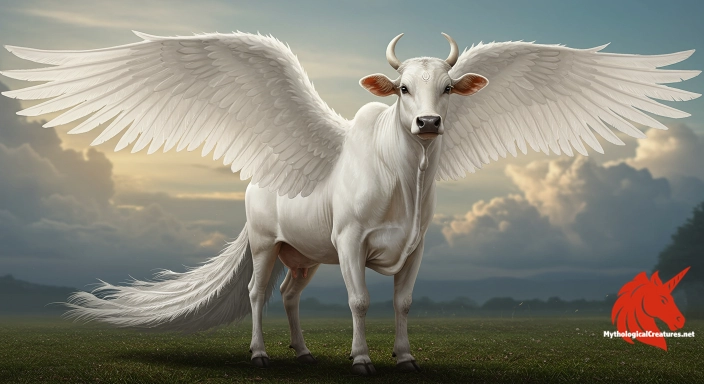
Surabhi
Surabhi - Symbolises abundance, fertility, and the sacred nature of cows in Hindu culture
Origins & First Encounters
Surabhi embodies a celestial form of abundance and fertility in ancient Indian lore. Her divine persona has been celebrated since the early Vedic traditions, where she emerged as a symbol of nurturing and prosperity. Known also as Kamadhenu, her name resonates with the promise of limitless fulfilment. The narratives surrounding her weave together elements of cosmic origin and earthly beneficence. She is revered as the mother of all cows, a figure that underscores the crucial role of livestock in sustaining life. Her legend is steeped in a rich tapestry of ritual, myth, and spirituality that highlights the interconnectedness of nature and divinity. Many depictions illustrate her as a miraculous provider, capable of granting every desire to those who honour her. The symbolism embedded in her story reinforces the cultural veneration of cows across generations. Her enduring presence in Hindu mythology continues to inspire reverence and serves as a testament to the timeless ideals of generosity and care.
Source Texts & Tale Variants
Ancient texts such as the Vedas present early allusions to Surabhi as a manifestation of divine nourishment. Her legend is further elaborated in later Puranic compositions, where she appears under the name Kamadhenu and is endowed with miraculous powers. Subtle hints of her existence can be found in the hymns of the Rigveda, which celebrate the sanctity of the cow as a beneficent force. Over time, scriptures like the Mahabharata and assorted regional Puranas expanded her narrative through vibrant oral retellings and lyrical imagery. Various versions of her story have emerged in folklore, each accentuating different facets of her ability to bestow abundance and fulfil desire. Some recensions highlight her role as both a nurturer and a guardian of cosmic fertility, offering varied interpretations of her character. Medieval temple art also reflects these dynamic interpretations, blending indigenous motifs with established Vedic symbolism. This multiplicity of sources enriches her myth while underscoring the evolution of spiritual thought in ancient India. The layers of narrative found across texts hint at a living tradition that adapts to the spiritual needs of diverse communities.
Form & Powers
Surabhi is portrayed as an exceptionally majestic white cow whose form transcends ordinary physicality. Her face is rendered with distinctly feminine features, imbuing her with a blend of warmth and otherworldly grace. Artistic renditions often incorporate delicate wings reminiscent of those found on birds, suggesting her ability to traverse both the earthly and divine realms. The tail, fashioned in a style similar to that of a vibrant peafowl, highlights her association with beauty and regal presence. In some portrayals, her form is depicted as containing multiple deities, symbolising her role as a reservoir of cosmic abundance. The immaculate whiteness of her coat is emblematic of purity and the unblemished nature of spiritual providence. This unique fusion of human and animal elements in her appearance serves as a visual metaphor for the unity of earthly existence and divine energy. Variations in her iconography are observed in regional sculptures and manuscripts, where subtle details add layers of meaning. Such intricate depictions underscore the reverence for her form while evoking a sense of wonder and sacred beauty.
Regional Faces
Across the varied cultural landscapes of India, the depiction of Surabhi has adapted to reflect local artistic and spiritual sensibilities. In the northern regions, she is celebrated predominantly as the primordial source of all cattle, embodying wealth and the prosperity of agrarian communities. Artists in areas such as Uttar Pradesh and Rajasthan often illustrate her with a luminous, almost ethereal quality that accentuates her nurturing essence. In contrast, temple art in the southern states integrates indigenous motifs, blending divine bovine imagery with regional flora and fauna. Central Indian traditions sometimes align her presence with seasonal rituals, thereby reinforcing her association with agricultural cycles and earth’s fertility. Local legends in rural communities contribute additional narrative layers, portraying her as both a mystical guide and an emblem of communal well-being. The stylistic nuances, such as elaborately decorated horns or ornate markings, vary from region to region and reflect distinct cultural influences. Contemporary reinterpretations across different states continue to evolve, echoing changing social and environmental narratives. This regional diversity enriches the myth of Surabhi by infusing it with a broad spectrum of cultural expressions and local symbolism.
Cultural Parallels
The myth of Surabhi resonates with universal themes found in other cultural traditions where the cow symbolizes fertility and spiritual nourishment. Her role as a divine bestower of abundance invites parallels with the veneration of the Apis bull in ancient Egyptian culture, where the animal served as a sacred intermediary. Similarly, the Norse myth of Audhumla, a primordial cow that nourished the first being, mirrors the theme of cosmic sustenance. In several indigenous traditions around the world, the cow is revered as a sacred icon, underscoring a shared understanding of its life-giving powers. Despite differences in narrative detail, these figures collectively symbolise the bounty of nature and the interconnectedness of the material and spiritual worlds. The rich iconography associated with these deities employs similar motifs of purity, majesty, and fertility. Surabhi stands out with her distinctive blend of anatomical and symbolic features, merging human characteristics with divine bovine form. These comparative insights illuminate the universal appeal of the cow as an emblem of nurturing and cosmic balance. Such cross-cultural echoes enhance our appreciation of her multifaceted legacy and the broader human quest for meaning.
Legacy & Modern Evolution
The evolution of Surabhi’s myth reflects a dynamic interplay between ancient traditions and modern reinterpretations. From subtle mentions in early Vedic verses to elaborate depictions in contemporary media, her transformation mirrors the changing contours of cultural and spiritual expression. Over the centuries, her image has been reimagined in temple art, literature, and popular discourse, each iteration adding new dimensions to her persona. In modern India, the veneration of cows is intertwined with deeper discussions on spirituality, environmental conservation, and socio-political identity. Her depiction is often invoked as a symbol of purity and sustenance, resonating with both pastoral values and modern ecological concerns. Contemporary artists and writers have embraced her myth, blending traditional symbolism with innovative visual and narrative techniques. Digital media have further amplified her presence, facilitating a renewed dialogue between ancient lore and contemporary values. Her layered iconography continues to inspire devotional practices and serves as a potent reminder of the enduring connection between nature and the divine. As such, Surabhi remains a dynamic emblem of generosity and cosmic fertility whose legacy evolves with each generation.
Interesting Fact
An intriguing aspect of Surabhi is her composite depiction, blending bovine and avian features, which symbolically links the earthly realm with the celestial and emphasises her role as a provider of divine abundance.
Partner with Mythological Creatures
Bring your myth-based world into ours
From game settings to narrative worlds, we work with partners who treat myths with care. Share your project for a potential sponsor slot.
Partner with usQuick Creature Info
Associations:
Our Mythic Legendary Rating:

Also Sometimes Known As:
Habitat:
Supernatural Powers:
Physical Attributes:
Abilities:
Behavior:
Lore:
Related Creatures, Tales or Lore
References
Discover Another Mythical Legend You May Not Have Heard Of?
Uncover the mysteries of ancient folklore and expand your knowledge of legendary beings from cultures around the world.
Dare to Meet the Fish-man....

Curated by the Mythological Creatures Team
Series editor: Mythological Creatures Directory
Primary desk: Asian & Pacific Myth Cycles Desk
(rev. November 2025)