
Wani: Wani is a mythological sea monster from Japanese folklore, often depicted as a dragon-like creature with crocodilian features.
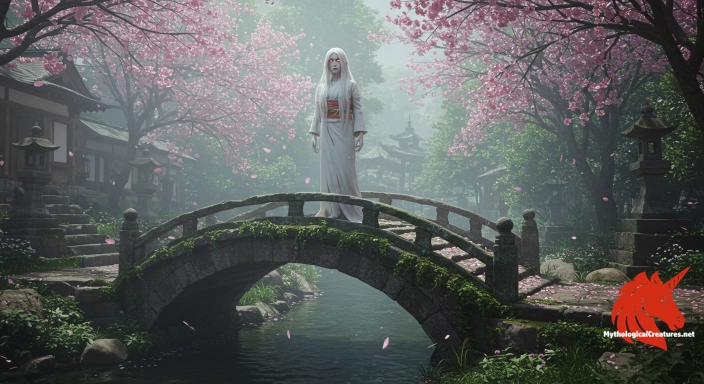
-eb8a257a-2777-441d-b4f1-27964706666b_small.webp "Wani - Represents the raw power and mystery of the ocean, serving as a symbol of nature's untamable force in Japanese mythology.")
Wani
Wani - Represents the raw power and mystery of the ocean, serving as a symbol of nature's untamable force in Japanese mythology.
Origins & First Encounters
Wani is an intriguing figure in Japanese mythology, often depicted as a formidable sea monster that blurs the lines between dragon and reptile. Its enigmatic origins have captivated generations, with early mentions woven into the fabric of ancient folklore and mythological records. The name itself, derived from the kanji 9c10, ties its identity to images of crocodiles and alligators, reflecting an influence from Chinese myth. Over centuries, Wani has evolved into a multifaceted symbol of the mysterious and occasionally perilous nature of the sea. Coastal communities have ascribed to it both a role as a destructive force and, in subtler accounts, as an enigmatic guardian of the deep. Traditional narratives often hint at its duality by invoking themes of both dread and reverence. The creature’s depictions encapsulate the tension between nature’s beauty and its raw, untamable power. Blending indigenous beliefs with imported symbolism, Wani remains a captivating emblem of maritime lore. Its enduring appeal continues to inspire modern interpretations while honouring its ancient roots.
Source Texts & Tale Variants
Ancient records provide the first, albeit modest, glimpses of Wani, leaving many details open to later embellishment by storytellers. Sparse references in early texts such as the Nihon Shoki and Kojiki hint at a creature that defies simple explanation. Oral traditions have filled in the gaps, passing down a rich assortment of narratives that amplify its mysterious presence. Coastal legends describe Wani as a spectral force that emerges from the deep, a theme that has been adapted and transformed over time. Various story variants portray it alternately as a fearsome predator capable of unleashing maritime chaos and as a mystical being connected to the elemental forces of water. Some accounts conflate its image with that of dragons and other hybrid creatures, highlighting the fluidity of myth. In different regions, local storytellers have modified its attributes to better reflect their unique environmental challenges and cultural interpretations. The multiplicity of sources underscores the layered complexity of its myth and ensures that no single version can claim absolute authority. This rich diversity in narrative has allowed each retelling to contribute to a composite image of Wani that continues to fascinate and perplex.
Form & Powers
The physical form of Wani is as fluid and unpredictable as the tides it inhabits. It is typically envisioned with a sinuous, elongated body that marries the rugged scales of a crocodile with the streamlined features of a shark. Its powerful jaws, lined with rows of sharp teeth, evoke a sense of primal ferocity capable of rending obstacles both natural and man-made. The creature’s eyes are often described as piercing, imbuing its gaze with an uncanny blend of ancient wisdom and ruthless predation. A robust, muscular tail further accentuates its imposing silhouette, suggesting the capacity for rapid, agile movements in turbulent waters. Certain depictions enrich its look with draconic elements such as elongated crests and subtle ridges, lending an air of mystical antiquity. Narratives vary in describing its size, with some accounts portraying it as a large, crocodile-like beast, and others envisioning a colossal entity that dwarfs entire coastal settlements. The interplay of reptilian and aquatic characteristics not only defines its monstrous visage but also symbolises the dual nature of the natural world. Every aspect of its anatomy reinforces the perception of a creature that embodies both beauty and brutality under the ocean’s surface.
Regional Faces
Regional interpretations of Wani have imbued this mythic creature with a rich variety of characteristics that reflect local cultural influences and environmental contexts. In certain coastal communities, Wani is seen as a spectral guardian of the sea whose presence is both feared and venerated. Areas with strong Chinese cultural influences often merge its depiction with dragon-like iconography, accentuating its celestial as well as its terrestrial traits. Along various parts of the Japanese coast, local legends recount dramatic encounters where Wani appears as an omen of maritime disasters or as a protector of the natural order. In some narratives, the creature readily adapts its form to resemble more recognisable aquatic animals such as crocodiles or even sharks, the latter evident in the term wanizame. Folk stories from remote islands may attribute supernatural abilities to Wani, such as the power to control tides or safeguard hidden treasures. These local adaptations emphasise how communities modify myth in response to both environmental challenges and cultural exchanges. Regional storytellers have thus ensured that the myth of Wani remains dynamic, continually evolving to reflect contemporary realities. The varied local portrayals underscore a broader pattern of myth-making in which ancient symbols are forever reshaped by regional identities.
Cultural Parallels
Wani occupies a fascinating niche when set against the backdrop of global mythological creatures associated with water. Its hybrid form, melding the fearsome attributes of both crocodiles and dragons, invites comparisons with the celestial dragons revered throughout East Asia. The creature’s deep connection with the sea brings to mind the European legends of leviathans and sea serpents, which similarly symbolise the mysterious and untameable forces of nature. In cultures where the crocodile bears both destructive and symbolic significance, parallels can be drawn that underscore humanity’s complex relationship with formidable aquatic predators. This intermingling of characteristics mirrors a broader human tendency to animate the natural world with hybrid forms that straddle the boundary between beast and deity. Across different cultural traditions, similar entities serve as powerful metaphors for nature’s dual capacity to nurture and devastate. Exploring these cross-cultural connections reveals a shared symbolic language in which water, as a life-giving and destructive force, is often personified through elaborate myths. The comparative analysis of Wani alongside its international counterparts highlights universal themes of chaos, protection, and transformation. In this way, Wani stands as not just a uniquely Japanese enigma, but also a part of a global tapestry of water-bound mythic creatures.
Legacy & Modern Evolution
Over the centuries, the portrayal of Wani has experienced significant transformation, mirroring shifts in cultural perceptions and artistic expression. Early depictions typically emphasised its terrifying aspect, portraying it as a monstrous embodiment of the unpredictable sea. As Japan’s cultural landscape evolved, so too did the narrative of Wani, gradually acquiring layers of complexity that suggest both dire warning and subtle benevolence. Modern reinterpretations have reimagined the creature as a symbolic guardian, reflecting a more nuanced understanding of nature’s capacity for both destruction and renewal. Contemporary literature, animation and digital art frequently harness Wani’s image to explore themes of environmental change and human resilience. These modern portrayals often blend traditional elements with new visual techniques, forging a connection between ancient myth and modern creativity. The enduring legacy of Wani is evident in its continual reinvention by artists and writers who see it as a metaphor for untamed natural forces. Its evolution from a purely fearsome entity to a more ambivalent symbol mirrors society’s re-assessment of nature’s dualities. This dynamic cultural evolution attests to the timeless appeal of myth, ensuring that Wani remains a potent and adaptable icon in both historical and modern contexts.
Interesting Fact
An interesting fact about Wani is its dual identity as both a dragon and a sea monster, reflecting a blend of cultural and natural symbolism unique to Japanese folklore.
Limited sponsor opportunity
One slot, carefully chosen partners
We only feature a small number of relevant sponsors at any time. If you create serious myth content, we would like to hear from you.
Partner with usQuick Creature Info
Features:
Associations:
Our Mythic Legendary Rating:

Also Sometimes Known As:
Habitat:
Supernatural Powers:
Physical Attributes:
Abilities:
Behavior:
Lore:
References
Discover Another Mythical Legend You May Not Have Heard Of?
Uncover the mysteries of ancient folklore and expand your knowledge of legendary beings from cultures around the world.
Dare to Meet the Hashihime....
Curated by the Mythological Creatures Team
Series editor: Mythological Creatures Directory
Primary desk: Asian & Pacific Myth Cycles Desk
(rev. November 2025)