
Yaoguai: Yaoguai are a diverse class of supernatural entities in Chinese folklore known for their enigmatic and shape-shifting abilities.
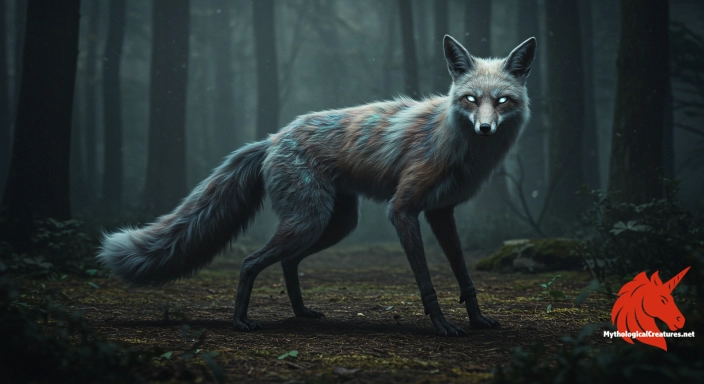
Yaoguai
Yaoguai - Yaoguai explain mysterious phenomena and misfortunes, reflecting cultural attempts to rationalise the uncanny aspects of nature and society.
Origins & First Encounters
Yaoguai have long been a captivating and multifaceted presence in Chinese mythology, occupying a space between the tangible world and the realm of the mysterious. Their earliest mentions are woven into the fabric of ancient folklore, where they symbolised nature’s unpredictable forces and served as living embodiments of transformation. Rooted in the ambiguities of early myth-making, these creatures emerged as symbolic agents who could either aid or hinder human endeavours. Over the centuries, the yaoguai evolved in the popular imagination, blending indigenous beliefs with Daoist and Buddhist cosmologies that enriched their supernatural character. They were often seen as the guardians of hidden knowledge, challenging conventional wisdom by appearing in both benign and malevolent guises. Local communities believed that when the natural order was disturbed, yaoguai might arise to restore or upend the balance of nature. The tales surrounding them reflect a deep cultural dialogue about the interplay of chaos and order, as well as the blurred boundaries between spiritual and earthly realms. Their enduring allure continues to captivate creative minds, ensuring that the myth of the yaoguai remains a vibrant part of Chinese cultural identity.
Source Texts & Tale Variants
Ancient texts and oral traditions have provided a rich, though fragmented, tapestry of narratives featuring yaoguai, allowing their mythos to flourish across different eras. Classic compilations, such as early encyclopaedic works and regional folklore collections, hinted at their presence as inexplicable agents of nature’s whim. Literary masterpieces and operatic dramas also introduced variations of these creatures, often imbuing them with complex moral ambiguities. Multiple story variants exist, some portraying yaoguai as shapeshifters exploiting their magical abilities to create illusions, while others depict them as enigmatic beings with the power to influence the fate of entire communities. As these stories travelled through generations, local storytellers infused their accounts with distinctive regional colours, ensuring that each narration retained a unique flavour. The motifs found in classical novels – where yaoguai sometimes acted as both antagonists and antiheroes – demonstrate the adaptability of these mythic figures. A wealth of folktales, passed down through family lines and regional gatherings, further illustrates their role as both a cautionary presence and a source of wonder. The accumulation of these diverse narratives forms an intricate mosaic that highlights the yaoguai’s complex role within Chinese mythological tradition.
Form & Powers
The physical form of a yaoguai is as elusive as its character, often shifting dramatically from one story to another. In many depictions, they are endowed with striking features that blend both human and animalistic elements, such as luminous eyes, pronounced claws, and sinuous, twisting bodies. Their ability to shapeshift means that one moment they might appear as a benign creature of nature, and in the next, as a monstrous, almost demonic presence. Detailed artistic portrayals sometimes emphasise exaggerated horns, flowing manes, and an aura that radiates an otherworldly light. Some accounts describe them with multiple limbs or an ethereal, translucent quality, as if their bodies are composed of both matter and spirit. The textures attributed to yaoguai range from smooth, silk-like skin to rugged, almost bark-like exteriors, symbolising their deep connection with the natural environment. Variations in size are commonly noted, with some stories portraying them as diminutive tricksters while others present them as towering embodiments of ancient power. These vivid descriptions, passed down through oral and written traditions, continue to offer a mesmerizing insight into the fluid and often contradictory nature of the yaoguai.
Regional Faces
The portrayal of yaoguai varies noticeably across different regions of China, each imbuing these creatures with local character and spiritual significance. In the rural expanses of northern China, for example, they are often depicted as spectral guardians of desolate mountains and dense forests, where isolation fuels eerie local legends. In contrast, southern regions sometimes celebrate them as trickster figures that weave through verdant landscapes, taking on forms reminiscent of native fauna. Coastal areas have their own adaptations, with maritime yaoguai emerging as mysterious sea spirits entwined with the lore of local fishing villages. Some Tibetan and Southwest Chinese traditions integrate Buddhist elements, portraying these beings as karmic agents capable of both benevolence and retribution. The regional narratives often mirror the unique environmental challenges and cultural values of their locales, ensuring that the yaoguai remain relevant to local experiences of the uncanny. In urban centres, modern reinterpretations have reimagined these entities within the context of changing social and natural environments. Despite these diverse regional adaptations, the core elements of transformation, ambiguity, and supernatural influence consistently bind the various depictions of yaoguai together.
Cultural Parallels
The yaoguai share intriguing similarities with a number of mythological entities from cultures across the world, providing a rich ground for comparative analysis. Among the closest parallels are the Japanese yokai, which, like yaoguai, inhabit the liminal spaces between the natural and supernatural realms and often oscillate between benevolence and malevolence. In European folklore, creatures such as fairies and trickster spirits similarly embody the unpredictable and dual nature of the mystical, though often with different cultural nuances. The shapeshifting capabilities of the yaoguai resonate with myths spanning from Celtic legends to indigenous animistic traditions, where transformation is a common motif symbolising both beauty and danger. Unlike the clear-cut dichotomy found in some Western demonologies, yaoguai are complex beings who can offer help, challenge morality, or bring about chaos, reflecting a deeper ambivalence about their nature. Their appearance in varied cultural narratives underlines a cross-cultural human fascination with the enigma of uncontrollable forces in nature. Such comparisons reveal that while the names and contexts differ, many mythological creatures serve to express similar tensions and mysteries. The adaptability seen in the yaoguai’s portrayal has fostered dialogue and exchange with other mythic traditions, underscoring their universal appeal as symbols of nature’s untamed power.
Legacy & Modern Evolution
The evolution of the yaoguai from ancient folklore to modern popular culture illustrates a fascinating journey of myth and metamorphosis. Historically, these creatures were depicted as ominous signs of the uncanny, with their mischief and menacing attributes used to explain inexplicable misfortunes and natural disturbances. Over time, cultural reinterpretations have seen them emerge as more nuanced figures, sometimes portrayed with layers of tragic backstory or even unexpected sympathy. In contemporary literature, film, and digital media, the yaoguai are often reimagined as complex antiheroes or multifaceted beings whose actions challenge the simplistic notions of good and evil. This modern legacy is enriched by vivid illustrations and innovative storytelling techniques that highlight their supernatural prowess alongside hints of vulnerability. As artists and writers explore themes of transformation, mortality, and the human-nature nexus, yaoguai frequently serve as compelling allegories for the shifting tides of modern life. Their presence in video games and comics has further cemented their status as enduring symbols of mystical intrigue and cultural resilience. Ultimately, the yaoguai not only reflect historical fears and fascinations but also continue to evolve as dynamic cultural artefacts that resonate with contemporary audiences in an ever-globalising world.
Interesting Fact
An intriguing aspect of yaoguai is that, while they are often viewed with suspicion and fear, their ambiguous nature means they can sometimes be more mischievous than overtly malevolent, reflecting a complex cultural attitude towards the supernatural.
Reach myth fans
Connect your myth-driven brand with this audience
Our readers are writers, educators, gamers, and collectors who care about mythology. Enquire about a limited sponsor placement on creature pages.
Enquire about sponsorshipQuick Creature Info
Our Mythic Legendary Rating:

Also Sometimes Known As:
Habitat:
Supernatural Powers:
Physical Attributes:
Abilities:
Behavior:
Weaknesses:
Lore:
Related Creatures, Tales or Lore
- YYokai (Japanese folklore)
- RRakshasa (Indian mythology)
- DDemon (Western folklore)
References
Discover Another Mythical Legend You May Not Have Heard Of?
Uncover the mysteries of ancient folklore and expand your knowledge of legendary beings from cultures around the world.
Dare to Meet the Holy Guardian Angel....
Curated by the Mythological Creatures Team
Series editor: Mythological Creatures Directory
Primary desk: Asian & Pacific Myth Cycles Desk
(rev. November 2025)