
Yel iyesi: Yel iyesi is a revered spirit and deity of wind in Turkic mythology, symbolising the ever-changing and vital force of air.
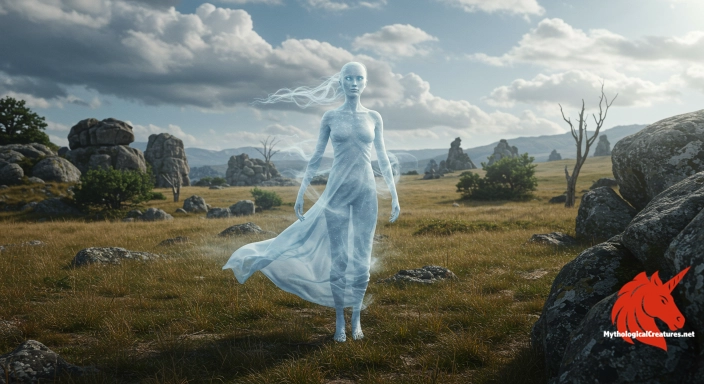
Yel iyesi
Yel iyesi - Yel iyesi embodies the vital and unpredictable nature of wind, influencing weather and symbolizing change in nature.
Origins & First Encounters
Yel iyesi is a dynamic spirit from Turkic mythology that embodies the ever-changing essence of the wind. Born from a rich tapestry of nomadic traditions, this deity appears to have emerged from the early animistic beliefs of ancient Turkic peoples. Its name, a combination of 'Yel' meaning wind and 'iye' denoting a guardian spirit, encapsulates its role as both a protector and a capricious force of nature. The earliest accounts of Yel iyesi are found in oral narratives that have been meticulously preserved through generations across Central Asia and beyond. This wind spirit is often portrayed as a mediator between the elemental forces and the human realm. Communities from regions such as modern Turkey, the Chuvash Republic, and Yakutia have long revered Yel iyesi for its ability to govern the gentle breezes as well as fierce gusts. Its presence reflects a deep-seated cultural reverence for the natural world and the unpredictable power of the weather. The deity is sometimes invoked in rituals intended to secure safe travels and bountiful harvests, underlining its significance in daily life. Even today, Yel iyesi continues to captivate imaginations, serving as a symbolic reminder of nature’s immense and untameable spirit.
Source Texts & Tale Variants
The lore of Yel iyesi has been transmitted through a diverse array of primary sources that encompass ancient manuscripts, epic poetry, and folkloric recitations. Many of these narratives were initially shared orally before being committed to writing by scholars and folklorists over the centuries. Varied texts from Turkic and related cultures, including Chuvash and Yakut traditions, contain accounts that weave Yel iyesi into the fabric of everyday life and cosmic order. Some written sources describe the deity’s intervention in significant historical events and natural phenomena, thereby cementing its role as an essential character in mythological history. Oral storytellers have embellished these early texts over time, introducing a range of details that highlight the multifaceted nature of the wind spirit. Different communities have adapted these stories to reflect local climates and societal values, which has resulted in an assortment of regional variants. In certain accounts, Yel iyesi is portrayed as a benevolent guardian who bestows prosperity, while in others it is seen as a formidable force to be respected and appeased. The adaptability of these narratives has ensured that they remain relevant, continually evolving to meet the cultural and environmental needs of the people. This rich tapestry of sources reveals not only the diversity of its worship but also its persistent influence on the collective imagination.
Form & Powers
Despite being primarily an incorporeal force, Yel iyesi is often depicted in art and literature with striking physical manifestations that symbolise its elusive nature. In some portrayals, the spirit takes on the form of a waif-like figure with flowing robes that blend seamlessly into the movement of the wind. Other accounts describe it as a swirling vortex of air and ethereal light, suggesting that its physical presence is as mutable as the breezes it commands. Artists sometimes illustrate Yel iyesi with a halo of mist or delicate cloud wisps that seem to dance around its silhouette, highlighting its connection with the sky. There are also interpretations where the deity appears as an older figure with wise, penetrating eyes that mirror the ever-changing weather. On occasion, the spirit is represented with elongated limbs or wings that evoke the idea of swift, far-reaching winds traversing great distances. The size and intensity of its manifestation can vary dramatically, from a gentle whisper of a form to a tempestuous, overwhelming presence that mirrors a storm. Such diverse depictions serve to remind observers of nature’s unpredictable temperament and the spirit’s integral role within it. Altogether, these imaginative representations capture the paradoxical blend of beauty and danger that the wind embodies.
Regional Faces
Across the vast expanse of the Turkic world, Yel iyesi has been embraced and reinterpreted in ways that reflect distinct regional identities. In Turkish lore, the wind spirit is often celebrated as a benevolent force, embodying a protective charm that ensures safe passage and favourable weather for travellers. Meanwhile, within the Yakut tradition, Yel iyesi takes on a more capricious role, being both an ally and an unpredictable messenger of the heavens. Chuvash interpretations add their unique twist to the narrative, imbuing the deity with attributes that emphasise a close kinship with the local landscapes and seasonal cycles. Nomadic communities, whose livelihoods depend on understanding the whims of nature, have particularly relied on these interpretations to navigate the challenges posed by the environment. The local iconography often includes symbols and rituals specific to the regional climate, whether it be the fierce winds of the steppe or the softer breezes of forested areas. Variations also appear in the rituals dedicated to Yel iyesi, with some cultures invoking the spirit during specific times of the year to secure blessings for harvests or safe journeys. This regional diversity enriches the overall myth, allowing the wind spirit to adapt seamlessly to a range of cultural contexts and environmental conditions. The result is a vibrant and multifaceted tradition that honours the universal yet locally nuanced power of the wind.
Cultural Parallels
The phenomenon of a wind deity is not unique to Turkic mythology, and Yel iyesi shares many similarities with comparable beings from other cultural traditions. In Greek mythology, for instance, Aeolus is revered as the ruler of winds, a conceptual counterpart with a focus on the regulation and direction of air currents. Similarly, various European traditions have celebrated sylphs—ethereal beings that inhabit and govern the air—reflecting a common human fascination with the unseen forces of nature. In East Asian cultures, figures such as the Shinto wind deities exhibit qualities that mirror the capricious spirit of Yel iyesi, bridging traditions across vast geographical regions. The universal presence of wind spirits in many mythologies highlights a shared understanding of nature as both a nurturing and potentially menacing force. Cross-cultural comparisons reveal that while the names and ritualistic practices may differ, the underlying reverence for wind and its role in sustaining life is remarkably consistent. Elements of animism and nature worship serve as a unifying theme that resonates across myths from Central Asia to the Western world. The comparative study of these deities not only enriches our knowledge of regional variances but also illustrates a global symbolic language centred on the elemental power of air. This interweaving of mythological motifs underscores the timeless and borderless appeal of natural phenomena as encapsulated by the spirit of the wind.
Legacy & Modern Evolution
The legacy of Yel iyesi has evolved significantly over the centuries, transitioning from a primordial force of nature to a complex symbol in modern cultural narratives. In earlier periods, the wind spirit was revered as an omnipresent force with the power to bestow fortune or wreak havoc, reflecting deeper societal concerns about survival and natural unpredictability. Over time, as communities became more rooted and scientific understandings of weather emerged, the deity’s depiction shifted subtly towards a more allegorical presence. Contemporary literature and art have embraced Yel iyesi as a metaphor for change, freedom, and sometimes the environmental challenges facing modern civilisation. Modern reinterpretations tend to blend traditional mysticism with current ecological themes, thereby resonating with audiences who seek to reconnect with the natural world. Festivals and cultural events in various Turkic regions now sometimes highlight the spirit in theatrical performances and visual artworks, thereby preserving its storied past. Digital media and fantasy genres have further reinvented Yel iyesi, incorporating it into narratives that appeal to both new and old generations. This evolution underscores a broader trend in which ancient deities are reimagined to address contemporary concerns while maintaining their mythological roots. Ultimately, the enduring legacy of Yel iyesi speaks to the human desire to understand and personify the natural forces that shape our world.
Interesting Fact
Unlike many deities that are depicted in a fixed form, Yel iyesi is an ever-shifting spirit, embodying the very essence of wind and change.
For authors, artists, and makers
Created something from the realm of myth?
If your book, deck, game, or artwork draws from legendary creatures and lore, you can showcase it here in a tasteful, year-round placement.
Share your projectQuick Creature Info
Origin:
Features:
Associations:
Our Mythic Legendary Rating:

Also Sometimes Known As:
Habitat:
Supernatural Powers:
Physical Attributes:
Abilities:
Behavior:
Lore:
Related Creatures, Tales or Lore
- VVayu
- AAeolus
- FFujin
References
Discover Another Mythical Legend You May Not Have Heard Of?
Uncover the mysteries of ancient folklore and expand your knowledge of legendary beings from cultures around the world.
Dare to Meet the Polong....

Curated by the Mythological Creatures Team
Series editor: Mythological Creatures Directory
Primary desk: Asian & Pacific Myth Cycles Desk
(rev. November 2025)