
Yūrei: Yūrei are ghostly figures from Japanese folklore, representing the souls of those barred from a peaceful afterlife.
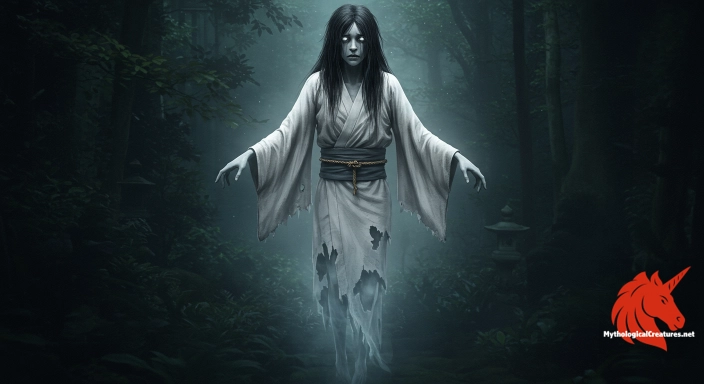
Yūrei
Yūrei - Yūrei represent spirits barred from a peaceful afterlife, embodying themes of tragedy, loss, and retribution in Japanese culture.
Origins & First Encounters
Yūrei are spectral figures that have long haunted the imaginations of those who dwell in the margins of Japan’s spiritual lore. Emerging from a synthesis of ancient Shinto beliefs and Buddhist thought, they reflect a complex interplay between life, death, and the unresolved emotions that bind a soul to the earthly realm. Their origins can be traced back to early folkloric traditions where the proper rites of passage for the departed were of utmost social and cultural importance. In historical literature and artistic depictions, these ghosts are portrayed as lingering remnants of lives steeped in regret, sorrow, or unfulfilled duty. Their presence was first noted in the subtle narratives of feudal Japan and later immortalised in the dramatic expressions of Edo period theatre and art. Yūrei thus became emblematic of the universal human struggle with loss and the impermanence of life. Their legends serve as a poignant reminder of the importance of ritual purity and respect for the dead. The intertwining of these ghostly tales with everyday life underscores a deep cultural sentiment towards the afterlife and the supernatural. Over time, Yūrei have evolved into symbols of both fear and empathy, capturing the haunting beauty of unresolved human emotions.
Source Texts & Tale Variants
Ancient chronicles, dramatic plays, and visual art from the Edo period provide a vivid tapestry of sources that document the mysterious world of Yūrei. Classical texts, alongside religious manuscripts and temple records, have preserved accounts of spectral encounters that continue to intrigue and unsettle. Traditional performances in kabuki and Noh theatre have accentuated these stories with elaborate costumes and emotions, thereby cementing the Yūrei’s place in the performing arts. Oral traditions passed down through generations add further nuance, offering regional anecdotes that enrich the foundational lore. These sources, both written and oral, have allowed the Yūrei myth to adapt seamlessly to different eras and audiences. Illustrations in ukiyo-e prints capture the ethereal appearance of these ghosts with a delicate balance of beauty and melancholy. Compilations of ghost stories, often influenced by local spiritual experiences, demonstrate the narrative’s fluidity and capacity for reinterpretation. Modern adaptations in literature and film build upon these historical narratives, continually reinventing the spirit’s tragic essence. The layered historical accounts ensure that the story of Yūrei is as dynamic as it is enduring.
Form & Powers
The physical presence of a Yūrei is defined by an unmistakable air of otherworldly sorrow and spectral elegance. Traditionally, they are depicted as white, almost translucent figures draped in the simple yet poignant garments of mourning, symbolising a lack of proper ritual closure. Their long, uncombed hair often obscures their face, heightening the sense of mystery and detachment from worldly presence. The pallid complexion of their skin, reminiscent of moonlit nights, underscores their status as entities caught between life and death. Common portrayals suggest that they float above the ground, their form seemingly weightless and disconnected from the mortal realm. Subtle blurs and indistinct features in artistic depictions highlight their ephemeral nature while evoking an emotional response of both dread and sympathy. Variations in size and intensity of form can sometimes be seen, reflecting the particular nature of the unresolved emotions they embody. Their appearance, marked by a haunting clarity of white and shadow, speaks of the cultural rituals associated with death and the liminal state of existence. Such iconography not only serves an aesthetic purpose but also symbolises the failure of proper reincarnation rites and the eternal hold of past grievances.
Regional Faces
Local traditions across Japan have imbued the Yūrei legend with a rich diversity that mirrors the country’s varied cultural and geographical landscape. In some rural areas, these spirits are believed to roam misty mountain passes and desolate coastal paths, their stories interwoven with local histories of tragedy and loss. Certain regions favour the name Bōrei or Shiryō, using subtle linguistic differences to hint at unique interpretations and regional ritual practices. In parts of the countryside, legends portray Yūrei as embodiments of personal vengeance, while urban narratives often soften their hostility, rendering them as melancholic reminders of past sorrows. Folk festivals and community rituals in these regions sometimes include rites intended to pacify or honour these wandering souls, further highlighting local connections with ancestral spirits. The natural backdrop—whether dense bamboo groves, ancient temples, or serene lakes—adds an additional layer of allure and foreboding to their tale. Variations in the clothing, gestures, and even the specific hues attributed to these ghosts subtly reflect environmental influences and communal beliefs. Local storytellers often adapt the Yūrei motif to mirror societal concerns, thereby ensuring that each retelling reflects the unique spirit of its region. This dynamic cultural mosaic not only reinforces the timelessness of the legend but also continuously renews its relevance in a modern context.
Cultural Parallels
When set beside ghostly figures of other cultures, the Yūrei reveal a distinctive blend of universal themes and uniquely Japanese characteristics. Much like Western apparitions, these spirits are portrayed as victims of unfulfilled desire or unresolved injustice, serving as metaphors for the human condition and the consequences of neglecting the dead. However, unlike many Western ghosts, Yūrei are intrinsically tied to the specific aesthetics of Japanese funerary rituals, evident in their white, flowing attire and dishevelled hair. The ethereal beauty and tragic demeanour of the Yūrei lend them an emotional depth that is somewhat less pronounced in some Western traditions, where ghosts may appear primarily as omens. Cultural parallels can also be drawn with East Asian spectral figures, such as Chinese hungry ghosts, who share themes of liminal existence and sorrow born from improper rites. While both traditions emphasise the disruption of the natural order through spiritual unrest, the Yūrei’s portrayal is closely linked with the refined subtleties of Japanese art and performance. This convergence of cultural motifs reflects a broader human fascination with the mysteries of death and the afterlife. In comparative analysis, these spectral entities bridge the gap between widely disparate traditions, echoing common fears and hopes in uniquely tailored forms. Their comparative study reveals how deeply a society’s cultural values define the ghostly figures that haunt its collective imagination.
Legacy & Modern Evolution
The legacy of the Yūrei has evolved significantly from early oral traditions and classical theatre to a prominent role in modern popular culture. Their haunting images have leapt from traditional scrolls into contemporary cinema, influencing a myriad of horror films, anime series, and literary works. In modern reinterpretations, the ghost in white is often used to explore themes of isolation, modern societal pressures, and the fragmented nature of memory. These evolving portrayals often imbue the Yūrei with modern sensibilities, blending traditional iconography with current psychological and social narratives. Cultural festivals and ghost tours in Japan celebrate these figures, inviting both locals and tourists to engage with these timeless stories in immersive settings. The figure’s haunting presence continues to be reassessed in light of evolving attitudes towards death and the supernatural, ensuring that these spirits remain both relevant and evocative. Contemporary artists and filmmakers frequently draw on the compelling symbolism of Yūrei to challenge the boundaries between reality and illusion. Their image has become an enduring symbol of not only historical grief but also ongoing existential questions. As the Yūrei traverse from ancient legend to modern icon, they persist as powerful emblems of the delicate interplay between memory, mourning, and the inexorable passage of time.
Interesting Fact
Despite often being conflated with Yōkai and Obake, Yūrei are specifically the sorrowful and vengeful ghosts of those who suffered extreme emotional trauma in life.
Limited sponsor opportunity
One slot, carefully chosen partners
We only feature a small number of relevant sponsors at any time. If you create serious myth content, we would like to hear from you.
Partner with usQuick Creature Info
Our Mythic Legendary Rating:

Also Sometimes Known As:
Habitat:
Supernatural Powers:
Physical Attributes:
Abilities:
Behavior:
Weaknesses:
Lore:
Related Creatures, Tales or Lore
- BBanshee
- WWestern Ghost
- WWraith
References
Discover Another Mythical Legend You May Not Have Heard Of?
Uncover the mysteries of ancient folklore and expand your knowledge of legendary beings from cultures around the world.
Dare to Meet the Fairy....
Curated by the Mythological Creatures Team
Series editor: Mythological Creatures Directory
Primary desk: Asian & Pacific Myth Cycles Desk
(rev. November 2025)