
Zmeu: The Zmeu is a formidable creature from Romanian folklore, known for its anthropomorphic appearance and dragon-like powers.

Zmeu
Zmeu - Represents a formidable adversary in fairy tales, challenging heroes and symbolising the struggle between brute force and valor.
the legend in five swipes.
the legend in five swipes.
Where does the story of the Zmeu begin?
The Zmeu stands as one of the most intriguing figures in Romanian mythology, its origins woven deep into the ancient oral traditions of the Carpathian region. It emerged from a rich tapestry of folk narratives and gradually cemented its place in folklore with iterations that spanned centuries. Early attestations reveal a creature that, while sometimes labelled as a dragon, is defined by its uniquely human characteristics, such as possessing arms and legs and even the ability to wield weapons. The myth reflects a complex character who is both monstrous and strangely human, bridging the gap between the natural and the supernatural. Its stories often centre on its desire to take a young maiden, symbolising the raw and dangerous forces of nature that heroes must overcome. The Zmeu became a potent emblem of the eternal struggle between order and chaos, where valor and ingenuity were required to counteract its might. Its narrative is layered with social commentary, embodying the fears of societal transgression as well as the hope for moral triumph through bravery. Over time, this creature has grown into a cultural icon that continues to captivate audiences both in traditional storytelling and modern adaptations.
In its evolution, the Zmeu has been adapted in many regional retellings, each contributing further nuances to its mythos while retaining the essence of a formidable, almost archetypal adversary.
How many versions of the Zmeu story are there?
Tales of the Zmeu first emerged in the vibrant collections of medieval ballads and epic poems, where oral lore laid the foundation for its complex characterisation. These narratives have been passed down through generations, each storyteller adding unique embellishments and altering minor details to suit local tastes. A range of ancient texts and folklore manuscripts reference the creature, sometimes blurring the line between a dragon and a giant due to its formidable presence. Multiple story variants highlight a shift in attributes—from a fearsome fire-spitting beast to a cunning figure that kidnaps beautiful maidens. Various folklore sources have depicted the Zmeu as a being that tests the mettle of heroes through daunting challenges, often involving quests for rescue and reclamation. In some variants, the creature is endowed with magical properties, including the possession of a radiant gem, while in others it is endowed with a shape-shifting ability that intensifies its mystique. The recurring motif of abducting young maidens is a thread that runs through many versions, serving as a compelling narrative device. Regional storytellers have broadened the spectrum of its portrayal, sometimes merging its identity with local supernatural villains. The multiplicity of its narrative origins illustrates how the myth has grown organically, adapting to the needs and imaginations of different communities over time. These diverse sources contribute to a rich, multifaceted tradition that continues to inspire both academic study and creative reinterpretations.
Zmeu: Physical Form and Supernatural Powers
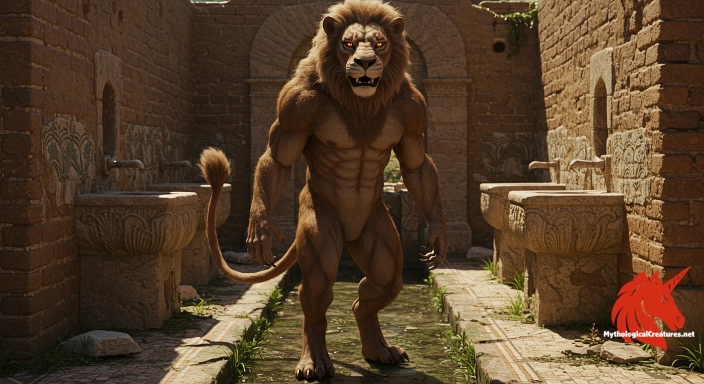
The physical depiction of the Zmeu is as multifarious as its narrative history, blending human and draconic elements into a single formidable form. It is often portrayed as towering in stature, with a robust, humanoid build that includes a well-defined torso, strong arms, and powerful legs, making it more agile than traditional serpentine dragons. Unlike the typical reptilian imagery found in many European mythologies, the Zmeu’s appearance incorporates a distinctly anthropomorphic quality that allows it to operate weapons and even ride a horse. Many depictions include a luminous, magical stone positioned on its head, which sparkles with the brilliance of the sun, adding an almost divine element to its otherwise fearsome visage. Its piercing eyes and expressive facial features hint at a cunning intelligence entwined with brutal savagery. Some illustrations emphasise elaborate details such as scales that glisten like armour and a combination of sharp claws and rudimentary hands capable of both creativity and destruction. Artistic representations vary widely, with some renditions highlighting elaborate, colourful wings that suggest an ability to move between the earthly and the celestial realms, while others maintain its predominantly terrestrial nature. The creature's size and form are occasionally subject to change in accordance with the tale being told, making it a dynamic figure whose physical traits can symbolise different thematic dilemmas. In every artistic and literary representation, the Zmeu embodies a perfect balance between the allure of mythical beauty and the terror of supernatural power. This blend of human and beast is central to its enduring mystique, challenging perceptions of what constitutes monstrosity in myth.
What regional forms of the Zmeu exist?
Variations in the portrayal of the Zmeu occur not only within the borders of Romania but also in the neighbouring cultural spheres, reflecting a broad regional influence. In some Transylvanian traditions, the creature is depicted with an even more pronounced humanoid edge, accentuating its capacity for both malice and cunning dialogue with heroes. The Carpathian narratives often stress its association with the natural elements, depicting it as a guardian of wild and untamed lands. In contrast, communities in the southern regions sometimes focus on its role as an antagonist who disrupts the natural order by abducting young women. The subtle differences in its physical attributes and behavioural motifs speak to local interpretations of power and the supernatural. In certain areas, the Zmeu is merged with legends of other mythical beings, creating hybrids that share characteristics with both benevolent spirits and fearsome devils. Festive re-enactments and dramatic retellings in rural villages continue to preserve this variant mythology, each version coloured by regional dialects and customs. The adaptive nature of the Zmeu myth has allowed it to function as a multifaceted symbol, varying from a straightforward villain to a more ambiguous figure with sometimes sympathetic undertones. Such regional diversity signifies a living tradition where storytelling evolves in response to local values and historical experiences. Each variant reinforces the creature’s cultural relevance, ensuring that its legend remains vibrant across different communities.
What figures resemble the Zmeu?
The myth of the Zmeu resonates with comparable creatures in other cultural traditions, establishing an intriguing network of mythological parallels. Its anthropomorphic characteristics set it apart from the archetypal European dragon, yet it shares many common traits with similar chimeric beings found across the Balkans. For example, figures in Slavic folklore, with their dual nature of human-like intelligence and beastly power, often mirror the Zmeu’s dualistic roles. The narrative motif of abduction, where a malevolent creature kidnaps a young maiden, also has echoes in Greek and Norse legends, reinforcing the symbolic struggles between chaotic forces and heroic order. There is a shared archetype of an external, often monstrous, obstacle that represents societal taboos and the peril of untamed nature. In comparative analysis, the Zmeu’s capacity for transforming or disguising itself aligns with similar shapeshifters in European mythologies, underlining a pan-cultural fascination with beings that exist between worlds. The blending of human craft with animal ferocity found in the Zmeu invites comparisons with other mythic hybrids, functioning as metaphors for the conflict between civilisation and the untamed wild. These cross-cultural connections highlight how different societies have tapped into similar imagery to reflect the universal human struggle against forces that threaten social order. This convergence of themes across diverse traditions serves as a testament to the shared roots of European myth-making and the enduring appeal of the heroic quest. Overall, the Zmeu stands as a unique yet relatable emblem within a broader tapestry of mythic adversaries known worldwide.
Why does the Zmeu still matter?
The legacy of the Zmeu has undergone significant transformation, evolving from a terrifying mythic adversary into a complex cultural symbol resonating in modern narratives and artistic interpretations. In earlier centuries, its depiction in oral and literary traditions served as both a cautionary tale and a challenging force for emerging heroes, embodying the raw power of nature and the perils of uncontrolled desire. With the passage of time, the Zmeu’s image began to absorb contemporary themes, adapting to modern sensibilities while retaining its core attributes of menace and mystique. Today, the creature has transcended its folkloric origins to appear in modern literature, theatre, film, and even visual arts, where it is often reimagined in contexts that explore identity, otherness, and transformation. Its enduring presence in popular culture reflects a continued interest in exploring the tension between civilisation and savagery. Modern artists and storytellers have embraced the Zmeu as a metaphor for internal and societal conflicts, casting it at times as a misunderstood antagonist rather than a purely evil force. The evolution of the myth mirrors broader cultural shifts, where the once clear-cut lines between good and evil have become more nuanced. Festivals, comic books, and multimedia projects celebrate the Zmeu as both a relic of ancient myth and a vibrant symbol of modern cultural expression. This dynamic reinterpretation has ensured that the creature remains relevant, provoking reflection on the timeless human concerns of power, temptation, and transformation. The Zmeu’s enduring story continues to evolve, offering fresh insights into how myth can adapt to contemporary values while honouring its historical legacy.
Interesting Fact
An intriguing aspect of the Zmeu is its dual nature—combining both dragon-like elements and human attributes—which sets it apart in the tapestry of Romanian mythology.
Mythological Treasures
Greek Myths: A field guide to the monsters of ancient Greece
Every monster here earned its place in legend, and each gets a full page of artwork and the story behind it.
Norse Sagas: A field guide to the beasts of the Viking world
Drawn from the saga accounts themselves, with the powers, weaknesses and doom of each being set out.
Egyptian Legends: A field guide to the gods and monsters of ancient Egypt
Guardians of the living and devourers of the dead, with the role each played in judgement.
the legend in five swipes.
Reach myth fans
Connect your myth-driven brand with this audience
Our readers are writers, educators, gamers, and collectors who care about mythology. Enquire about a limited sponsor placement on creature pages.
Enquire about sponsorshipQuick Creature Info
Associations:
Our Mythic Legendary Rating:

Also Sometimes Known As:
Habitat:
Supernatural Powers:
Physical Attributes:
Abilities:
Behavior:
Weaknesses:
Lore:
Related Creatures, Tales or Lore
- ?[object Object]
- ?[object Object]
- ?[object Object]
References
Discover Another Mythical Legend You May Not Have Heard Of?
Uncover the mysteries of ancient folklore and expand your knowledge of legendary beings from cultures around the world.
Dare to Meet the Šulak....
The Mythological Creatures Book Series
Yokai, Greek, Norse, Egyptian & Chinese. Five illustrated field guides to the creatures the old stories either warned or told you about.
Curated by the Mythological Creatures Team
Series editor: Mythological Creatures Directory
Primary desk: Northern & European Folklore Desk
(rev. November 2025)