Greek Mythological Creatures: Monsters, Meanings & Modern Echoes
Monsters of Greek Myth: Unlocking the myths, metaphors, and enduring magnetism of Greece’s legendary beasts
What Are Greek Mythological Creatures?
Greek mythological creatures are uncanny beings—often hybrids—appearing in epic poems, temple reliefs, and folk tales of ancient Greece. From the fire-breathing Chimera to the winged horse Pegasus, they:
- Personify natural forces (storms, oceans, earthquakes).
- Embody moral lessons and cautionary tales.
- Visualise psychological conflicts—turning fear, desire, or hubris into living forms.
Key takeaway: Greek mythological creatures function as narrative shortcuts, translating complex ideas into unforgettable images.
Why Did the Ancient Greeks Imagine Such Beasts? Why Do We Have Greek Monsters?
1 — Explaining Nature
Volcanic rumblings? Clearly Typhon thrashing beneath Mount Etna.
2 — Teaching Ethics
Perseus slaying Medusa warns against unchecked vanity and power.
3 — Creating Community
Local cults adopted regional fauna (lions in Nemea, bulls in Crete) to forge civic identity.
4 — Projecting Psyche
The Minotaur reflects the “beast within” the human labyrinth of conscience.
Ancient listeners understood that conquering an outward monster mirrored mastering an inner one.
From Our Field Guides
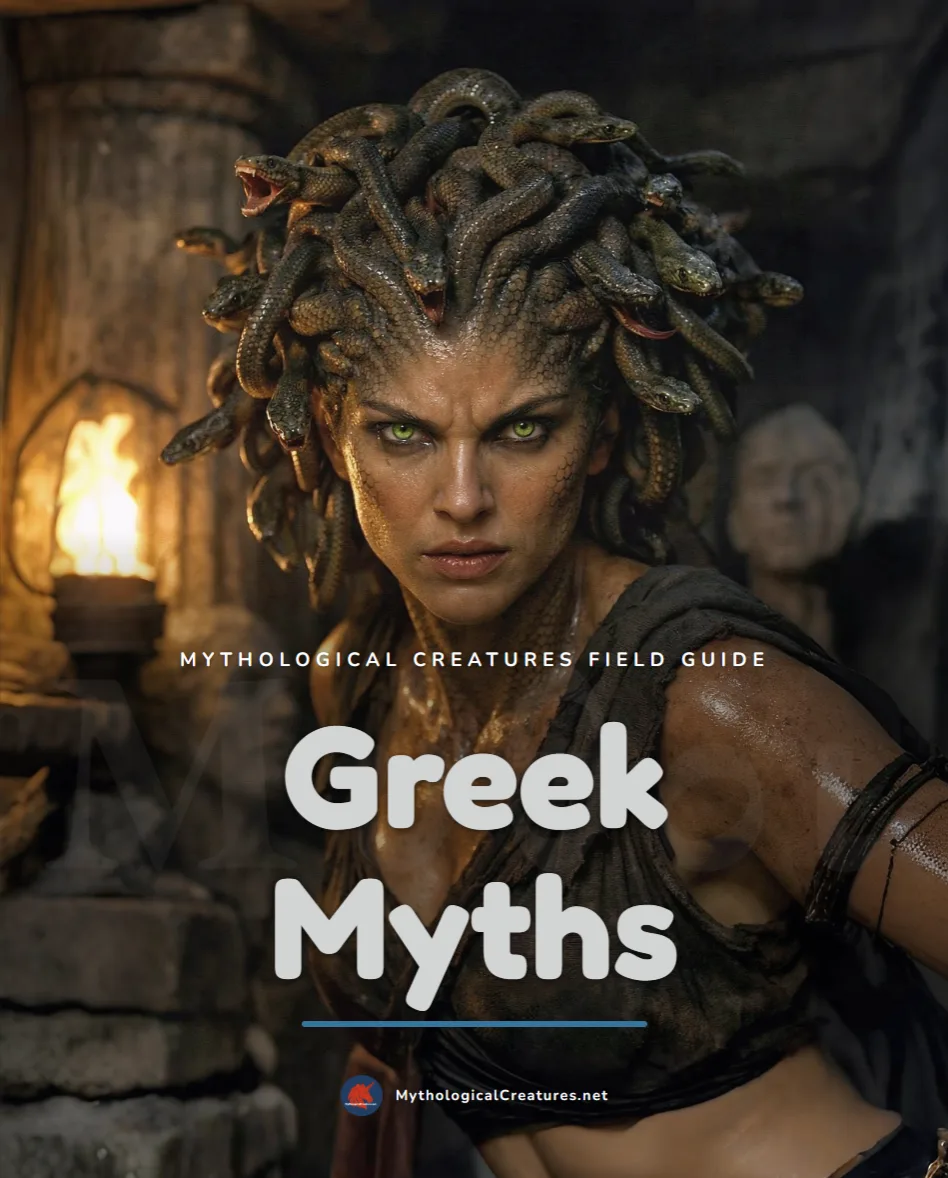
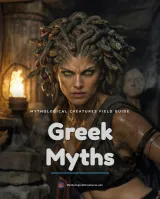
Greek Myths: A field guide to the monsters of ancient Greece
Every monster here earned its place in legend, and each gets a full page of artwork and the story behind it.
Legendary Greek Mythological Creatures: Powers, Symbolism & Stories
1. Medusa
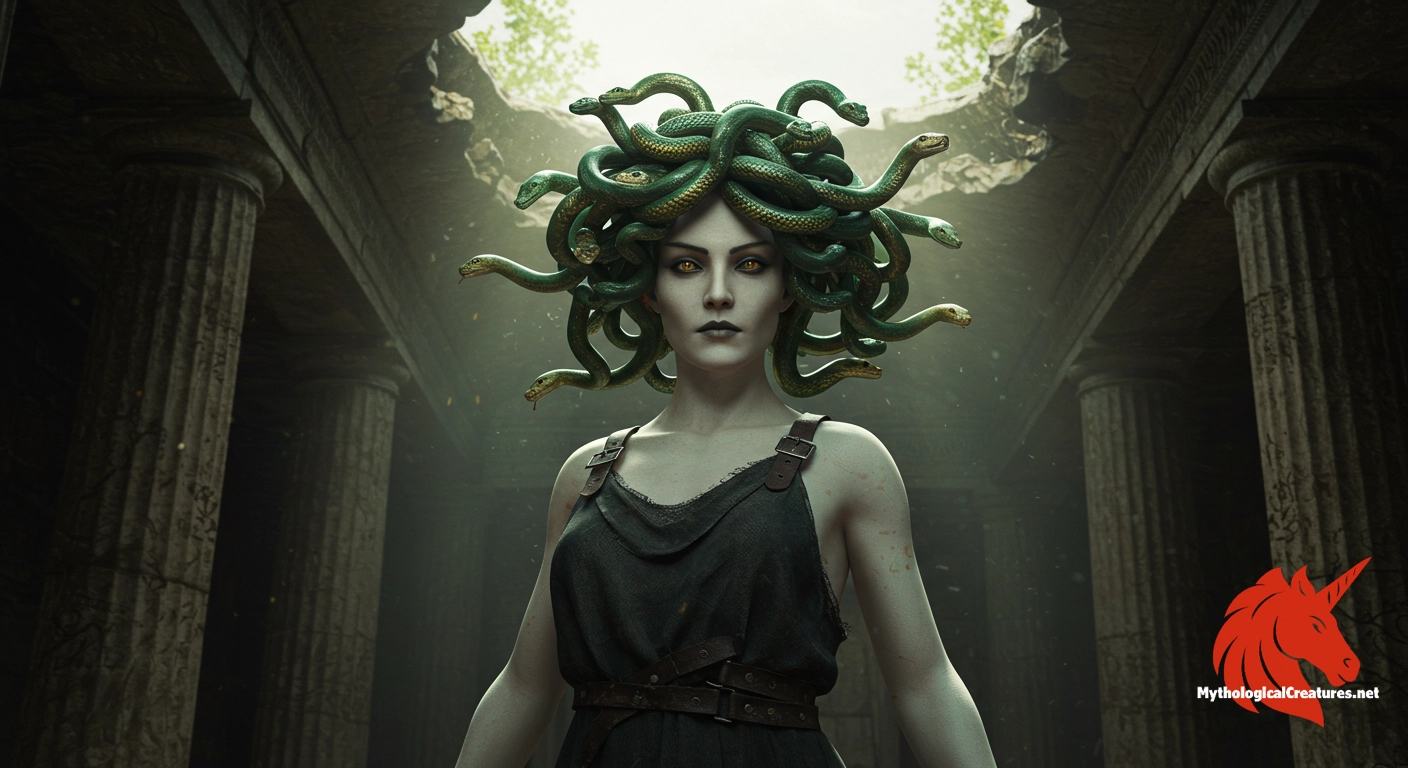
Medusa, once a beautiful maiden, was transformed into a monstrous Gorgon with serpents for hair and a gaze so deadly it turned people to stone. She embodies themes of forbidden knowledge, female rage, and the weaponization of beauty. Her story ends when Perseus, using a mirrored shield to avoid her gaze, beheads her—a triumph of wit over terror.
2. Hydra
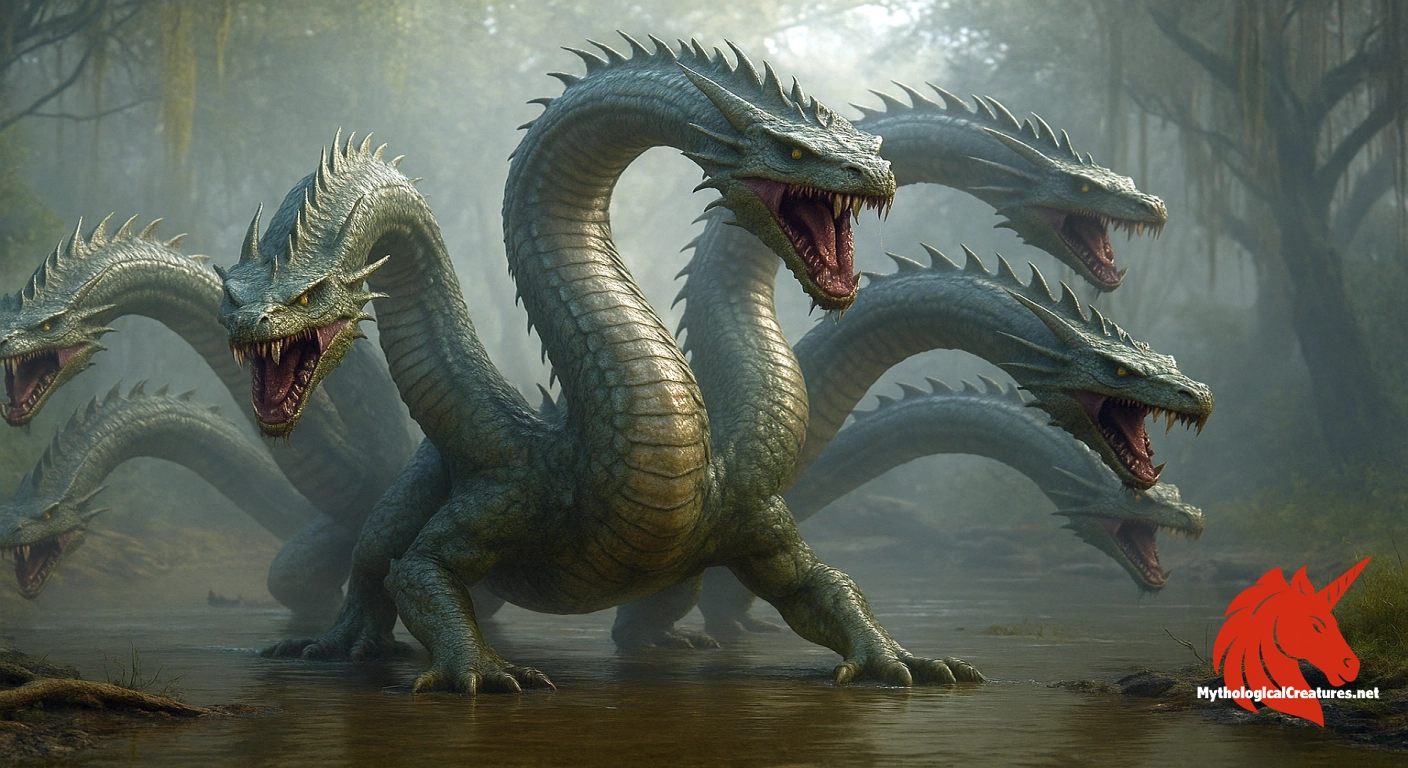
The Lernaean Hydra was a multi-headed serpent creature—cut off one head, and two would grow in its place. With poisonous blood and regenerative power, it symbolizes problems that escalate when ignored. Heracles defeated it during his second labor with help from Iolaus, who cauterized each neck to stop the regrowth—strategy triumphing over chaos.
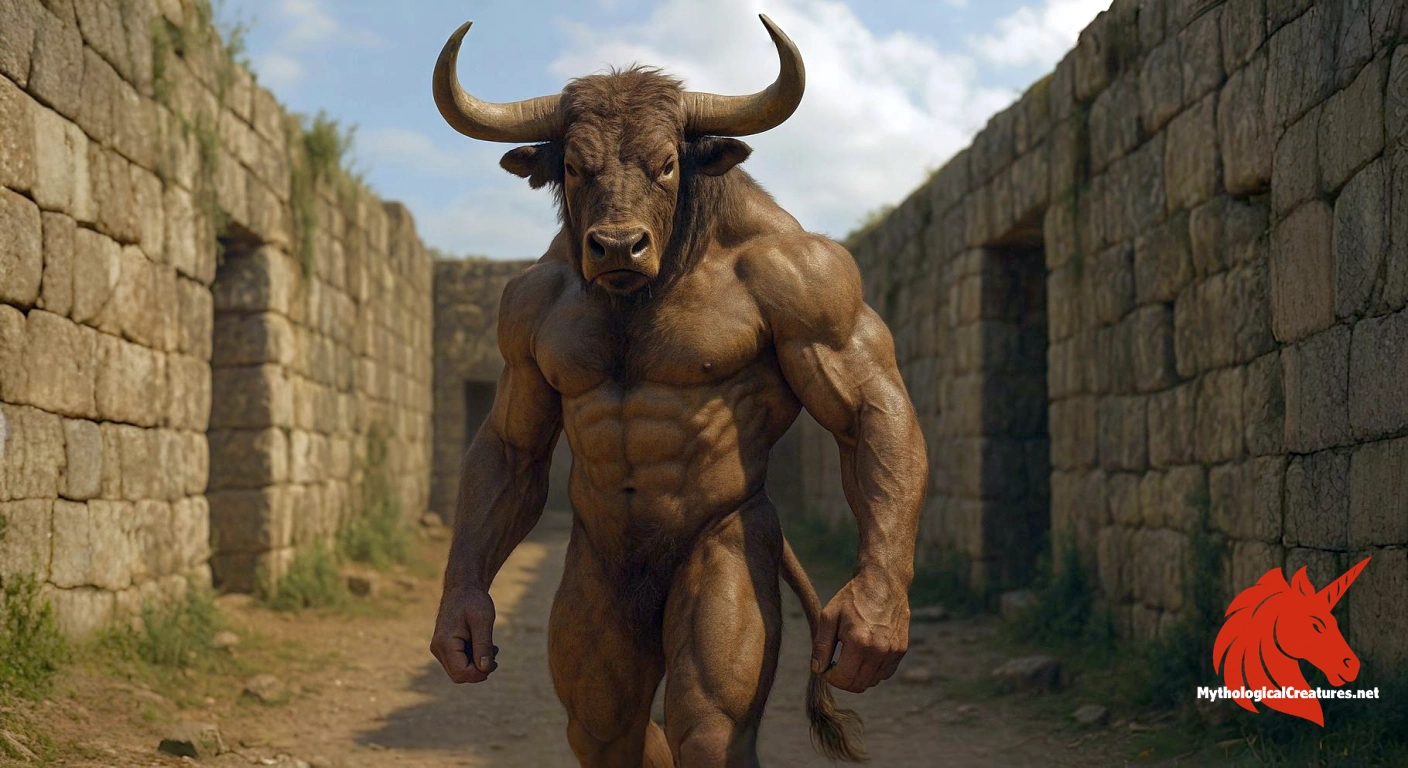
3. Minotaur
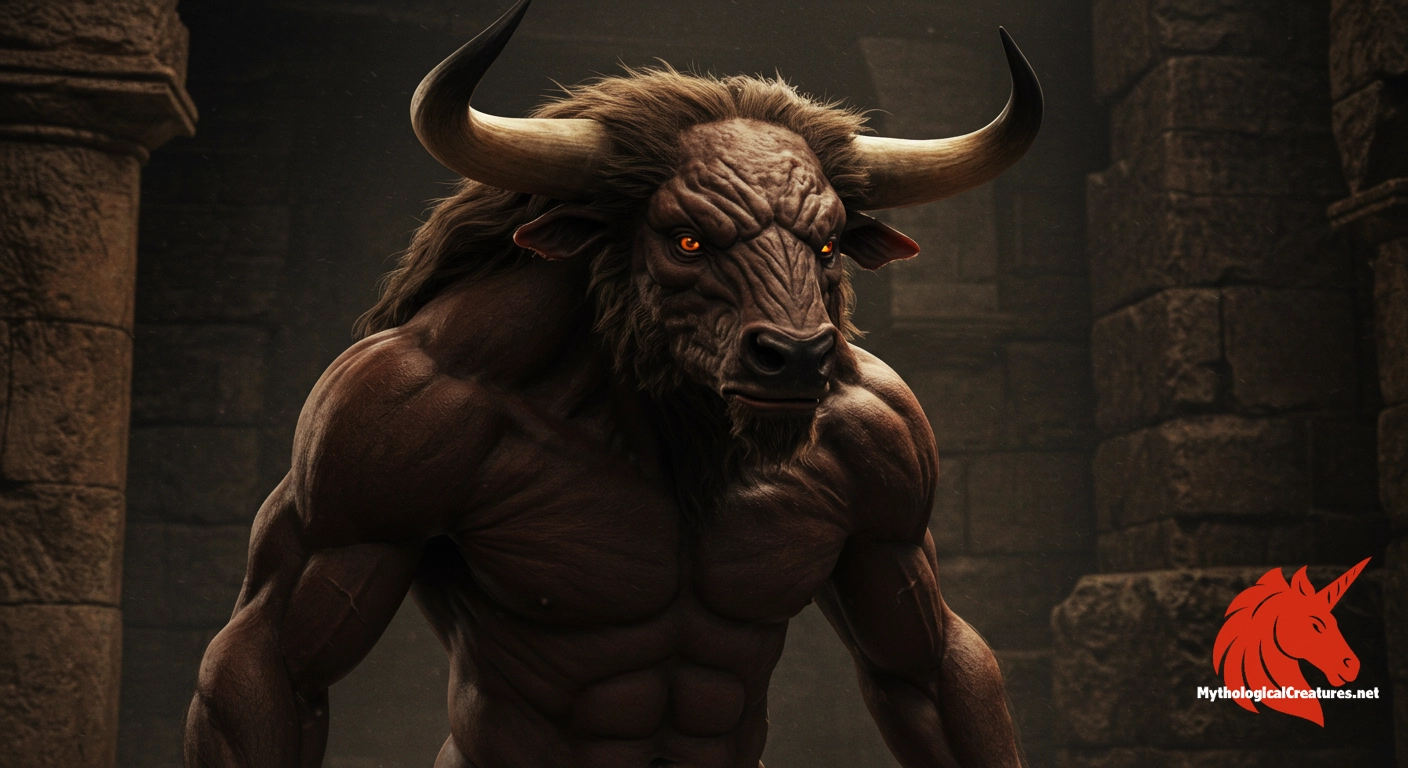
The Minotaur, a half-man, half-bull monster, was confined in a labyrinth beneath King Minos' palace. It symbolizes the darker, primal urges and the moral complexity of human nature. Theseus navigated the maze and killed the beast with the help of Ariadne’s thread—reason guiding the way through inner turmoil.
4. Cerberus
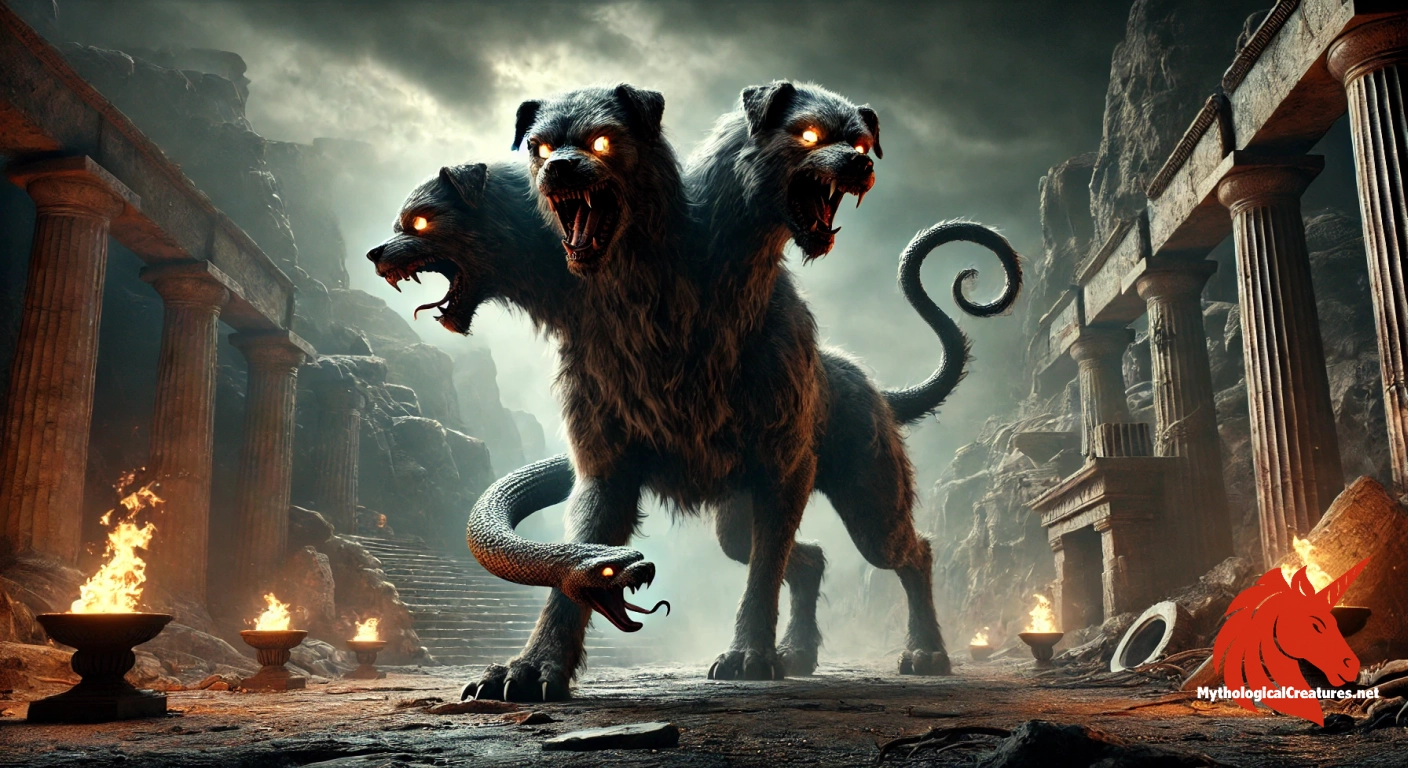
Cerberus is the three-headed dog guarding the Underworld, ensuring the dead cannot escape and the living cannot enter. Each head symbolizes vigilance across time—past, present, and future. Heracles captured Cerberus in his twelfth labor, demonstrating that even the boundary between life and death could be challenged by heroism.
From Our Field Guides
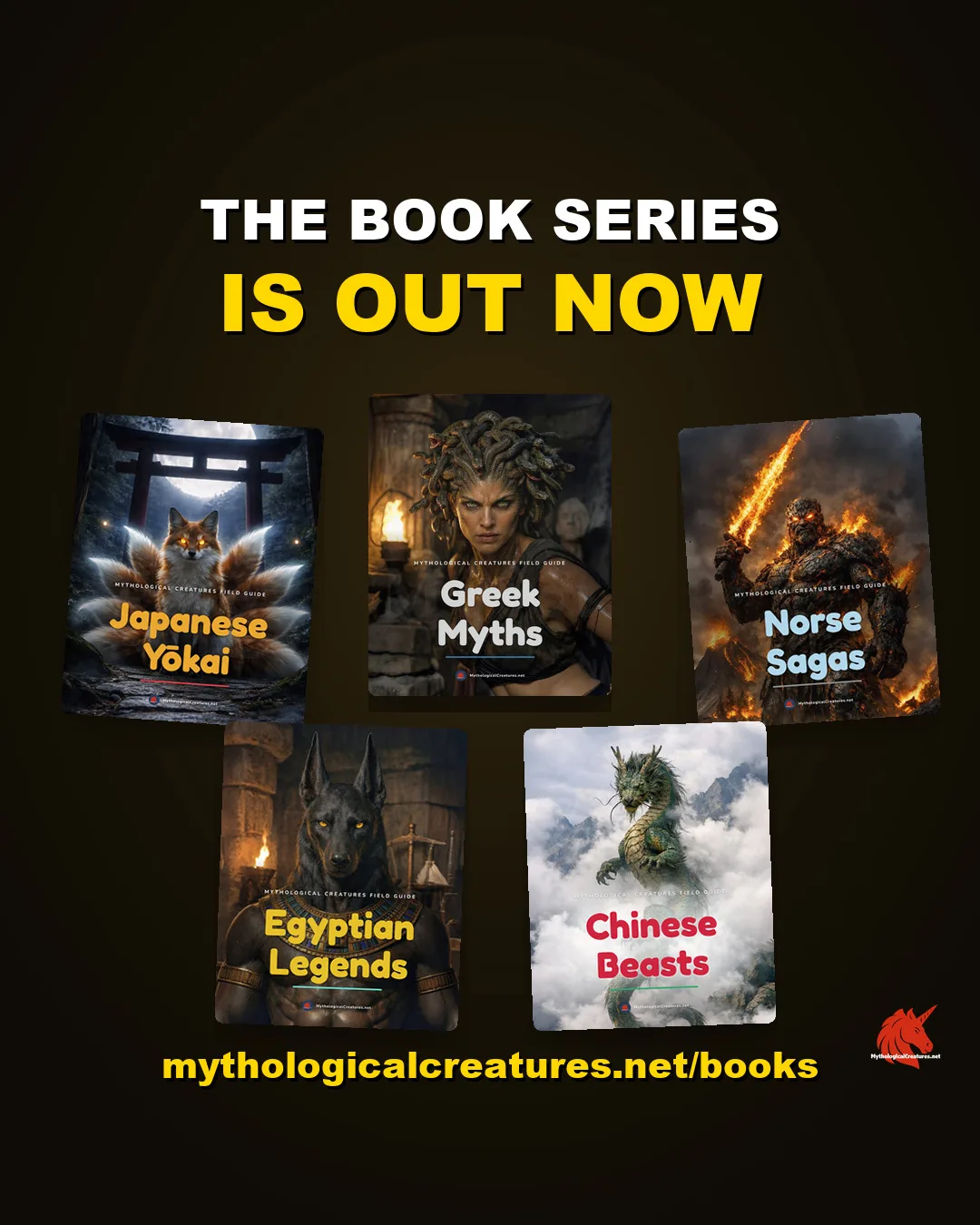
The Mythological Creatures Field Guide series
Five illustrated field guides to the creatures of Japan, Greece, the Norse world, ancient Egypt and China, each in paperback and hardcover.
5. Chimera
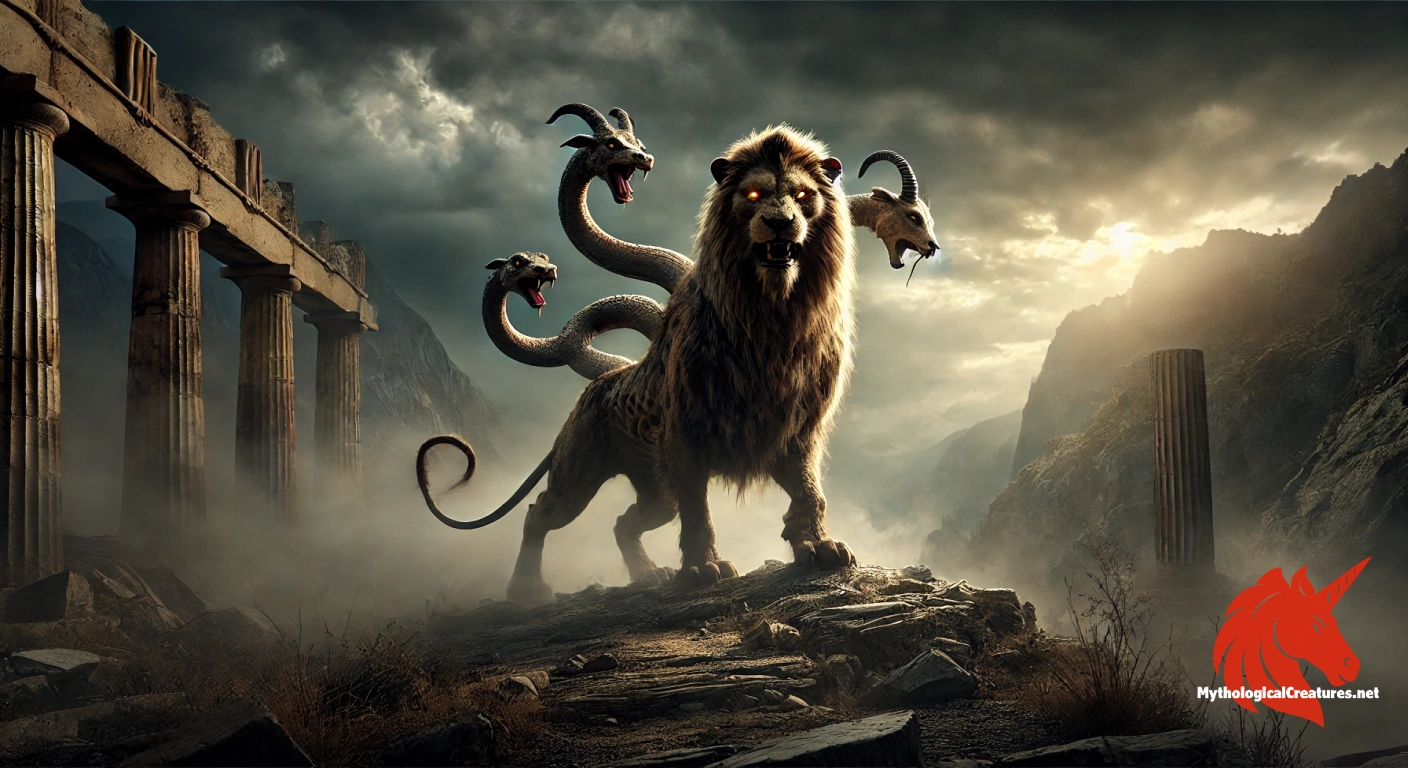
The Chimera is a fire-breathing monster composed of a lion’s head, a goat’s body, and a serpent’s tail—an unnatural fusion of predatory forces. It represents dread of monstrosity and unnatural combinations. Bellerophon, riding Pegasus, attacked from the skies, defeating the Chimera with intellect and height, symbolizing the triumph of perspective over horror.
6. Pegasus
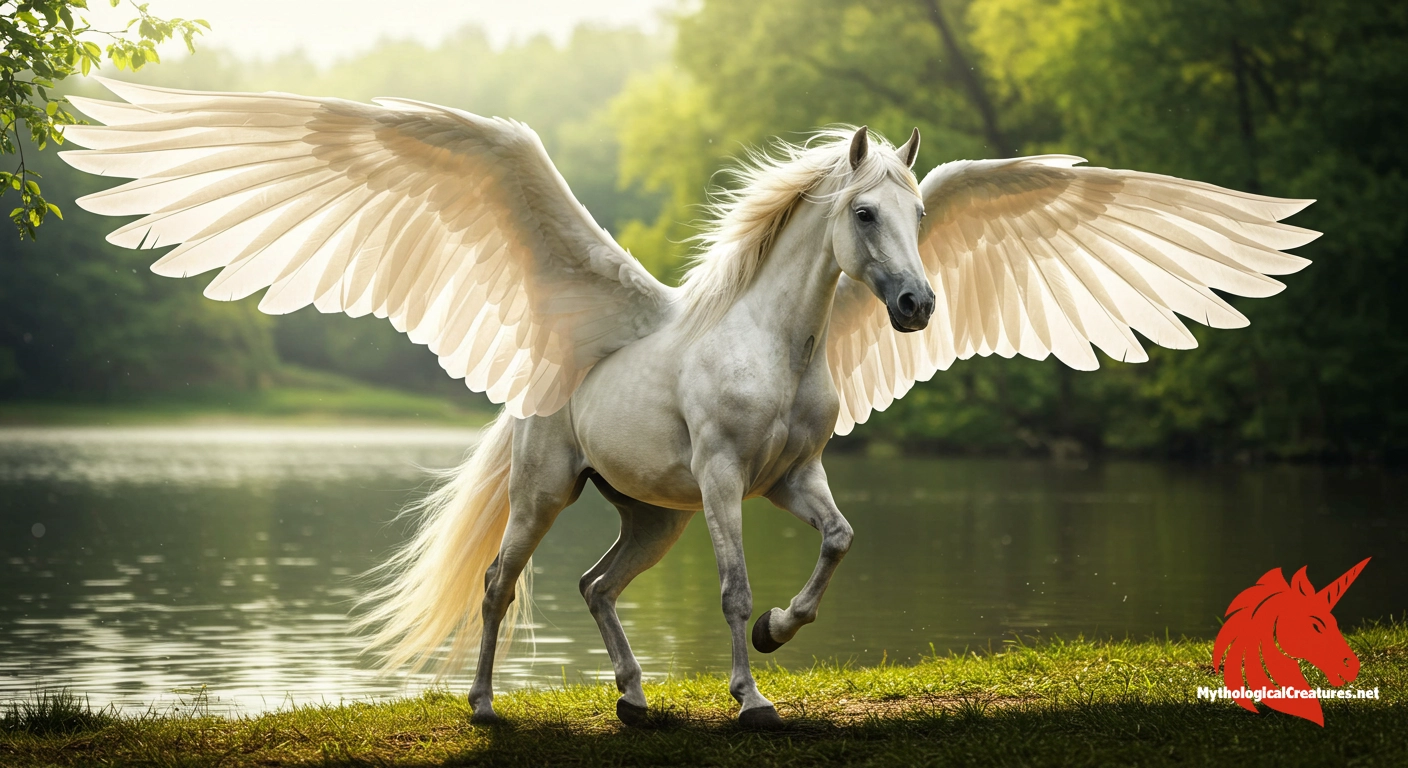
Pegasus, the winged horse born from Medusa’s blood, is a symbol of poetic inspiration and divine freedom. It soars through the heavens, representing transcendence and imaginative flight. Pegasus aided Bellerophon in slaying the Chimera, linking creativity and courage to heroic victory.
7. Cyclopes
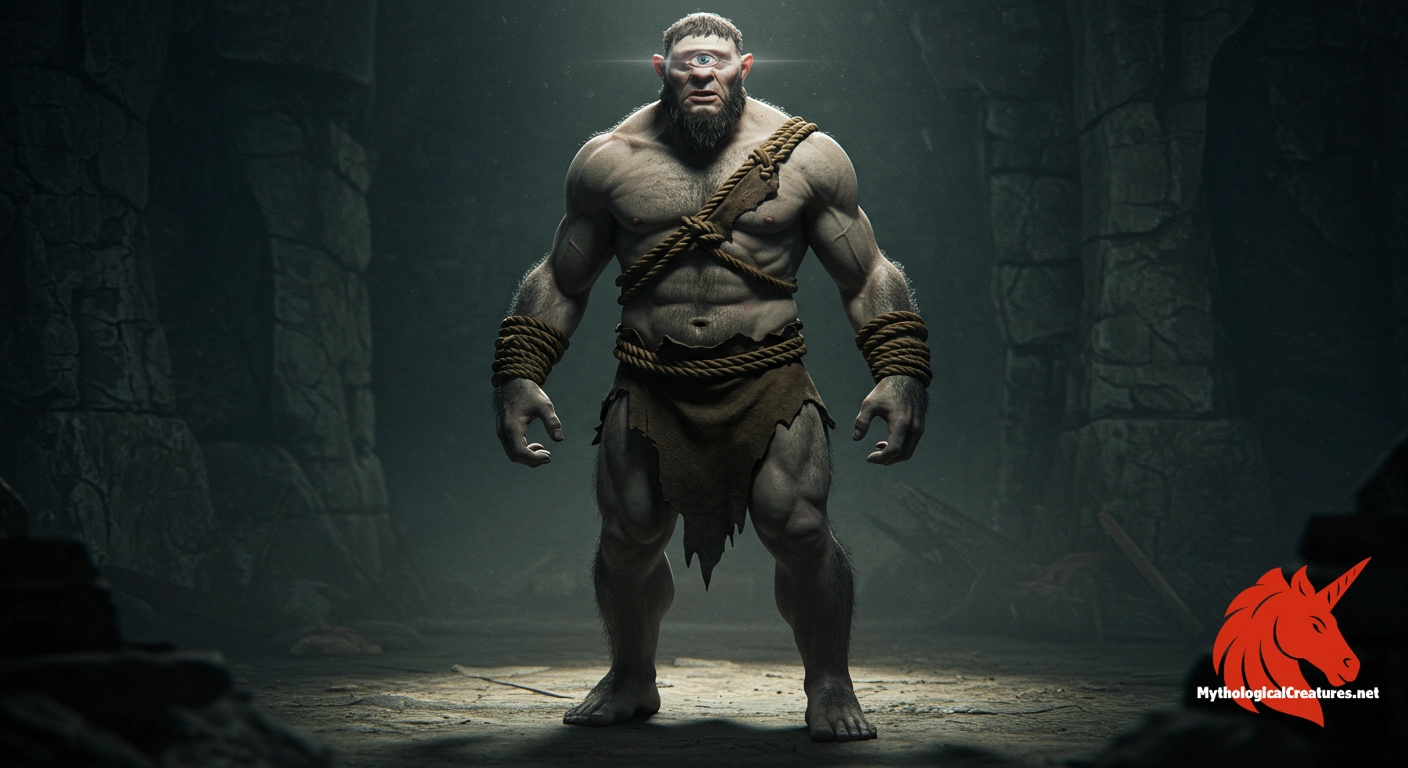
Cyclopes were towering one-eyed giants known for raw physical strength and primal craftsmanship. Polyphemus, the most famous, was outwitted by Odysseus after devouring several of his crew. Cyclopes symbolize brute force untempered by foresight—power without wisdom is easily manipulated by intellect.
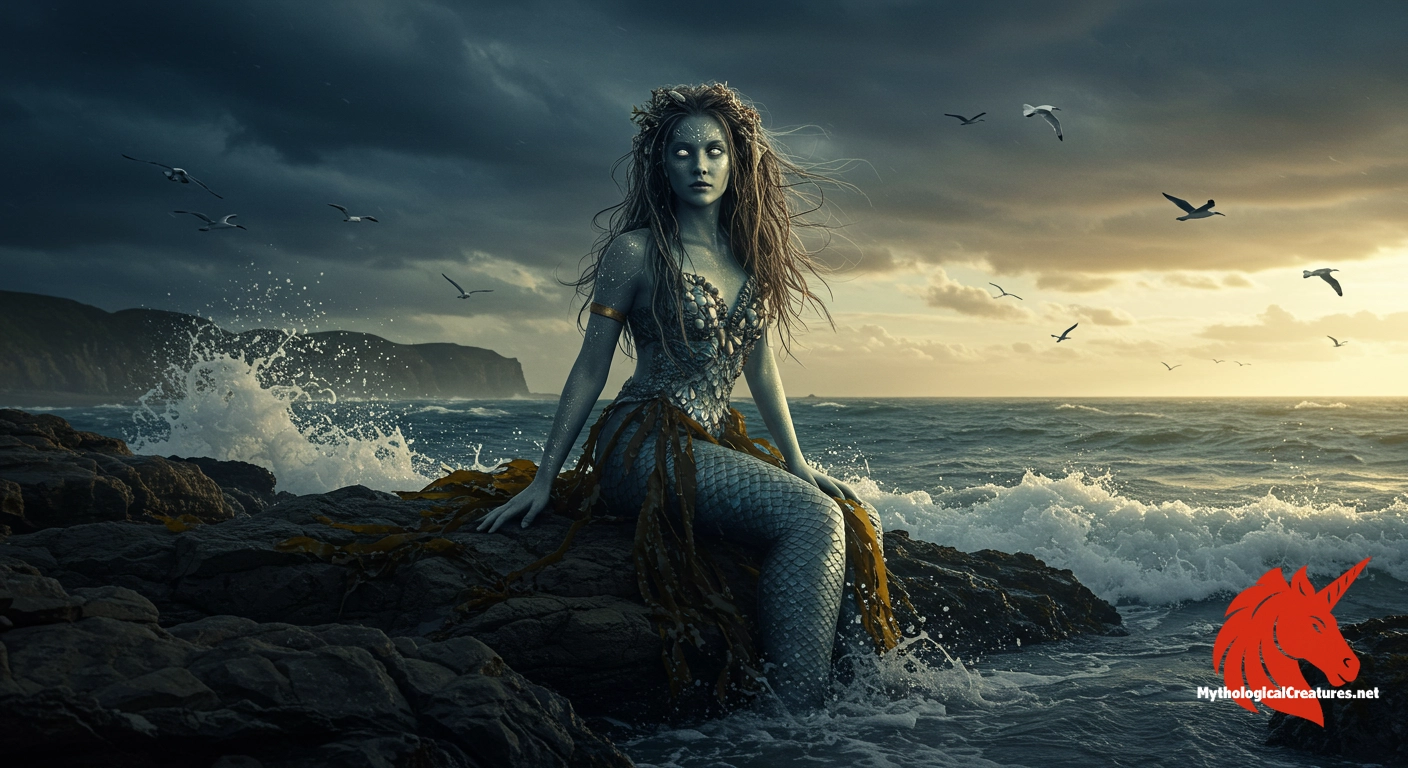
8. Sirens
Sirens were sea-dwelling creatures with voices so hypnotic they lured sailors to shipwreck on rocky shores. They symbolize temptation, distraction, and the danger of seductive illusions. Odysseus resisted their song by sealing his crew’s ears with wax and tying himself to the mast—a metaphor for resisting destructive desires through self-discipline.
From Our Field Guides
Greek Myths: A field guide to the monsters of ancient Greece
Every monster here earned its place in legend, and each gets a full page of artwork and the story behind it.
9. Sphinx
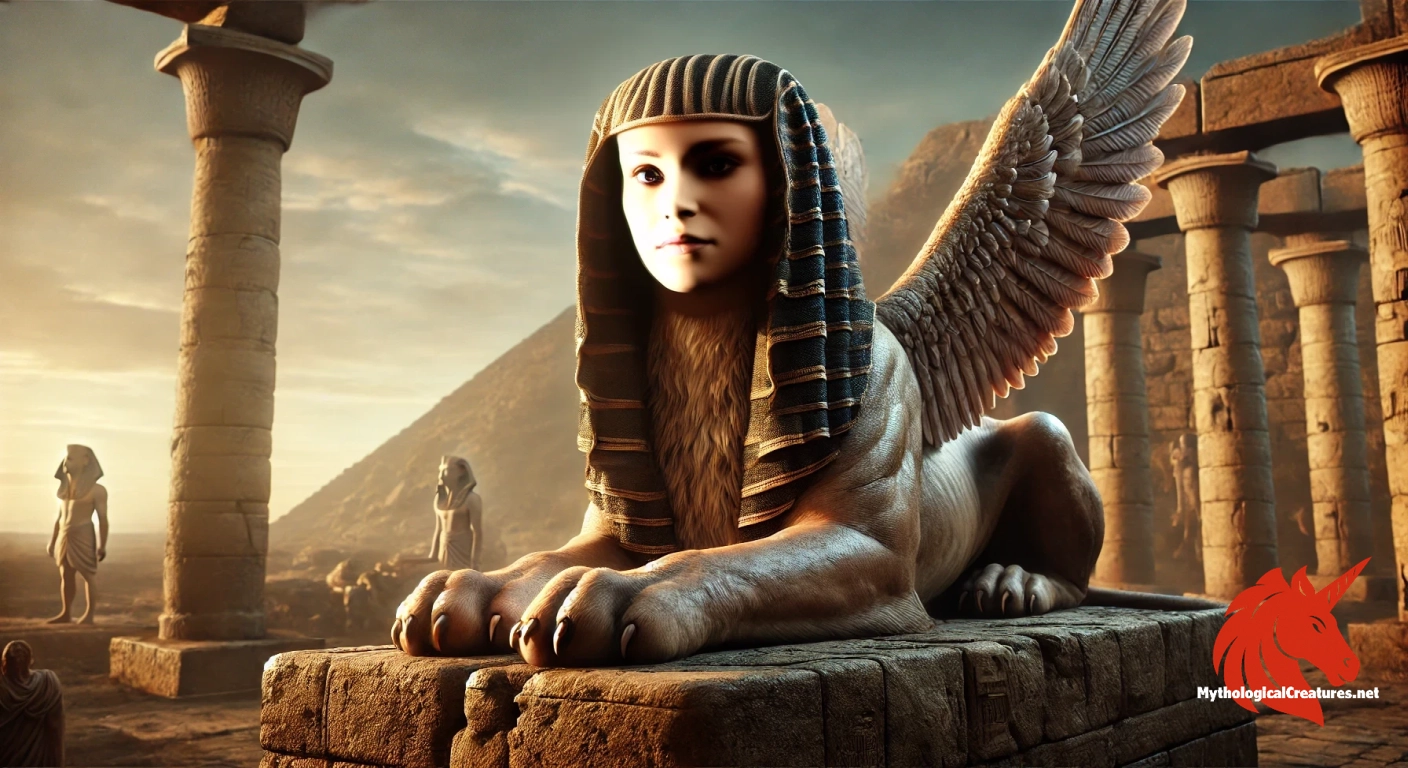
The Sphinx, with a lion's body, a woman's face, and eagle wings (depending on whether she is depicted in Egyptian or Greek mythology), posed riddles to travelers, devouring those who failed to answer. She represents knowledge, fate, and the mystery of human identity. Oedipus solved her famous riddle—"What walks on four legs in the morning, two at noon, and three in the evening?"—proving intellect can overcome destiny's gatekeepers.
10. Typhon
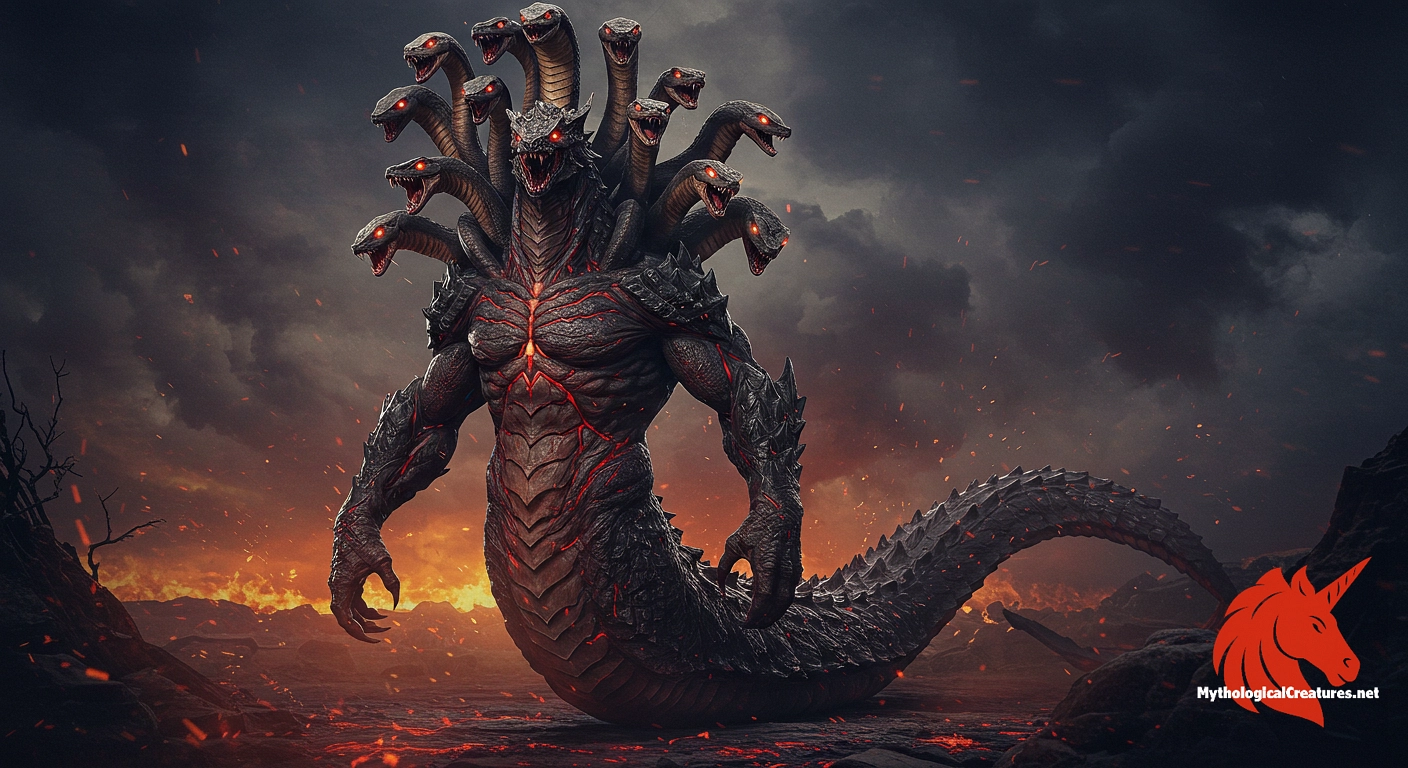
Typhon was a colossal storm entity and the most fearsome adversary of the gods, spewing fire and venom. He symbolizes cosmic chaos, natural disaster, and the overwhelming power of disorder. Defeated by Zeus and buried under Mount Etna, Typhon’s myth illustrates the eternal struggle between order and entropy—and the divine mandate to control it.
The question “Who is the strongest Greek mythological creature?” often tops the list of questions we receive — most scholars choose Typhon, yet we consider Medusa the winner of cultural mind-share.
Hidden Gems Worth Knowing
Beyond the headline monsters lie dozens of fascinating figures:
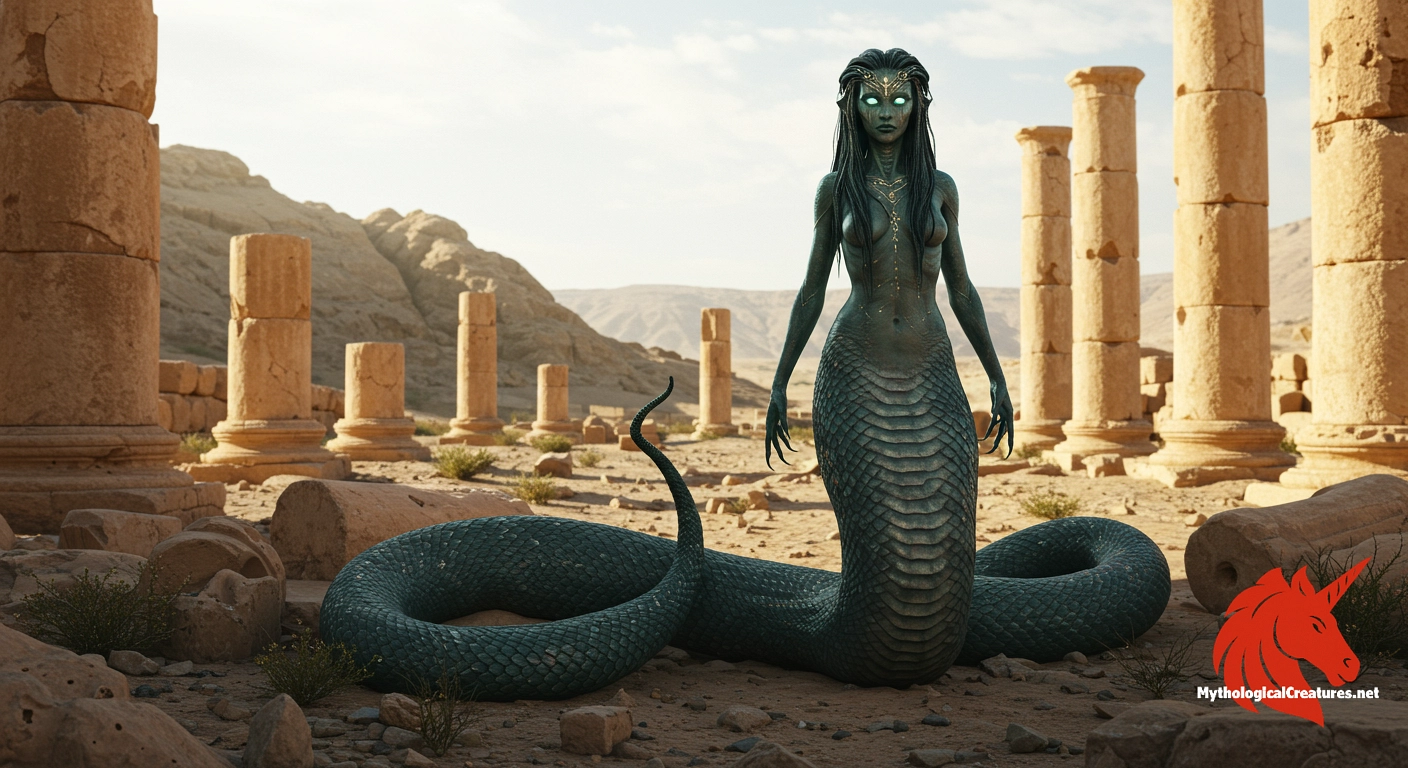
Lamia — The Devouring Queen
Once‐beautiful, cursed to eat children; early template for the vampire trope.
Empusa — Bronze-Legged Shape-Shifter
Part of Hecate’s night entourage; teaches fear of deceptive appearances.
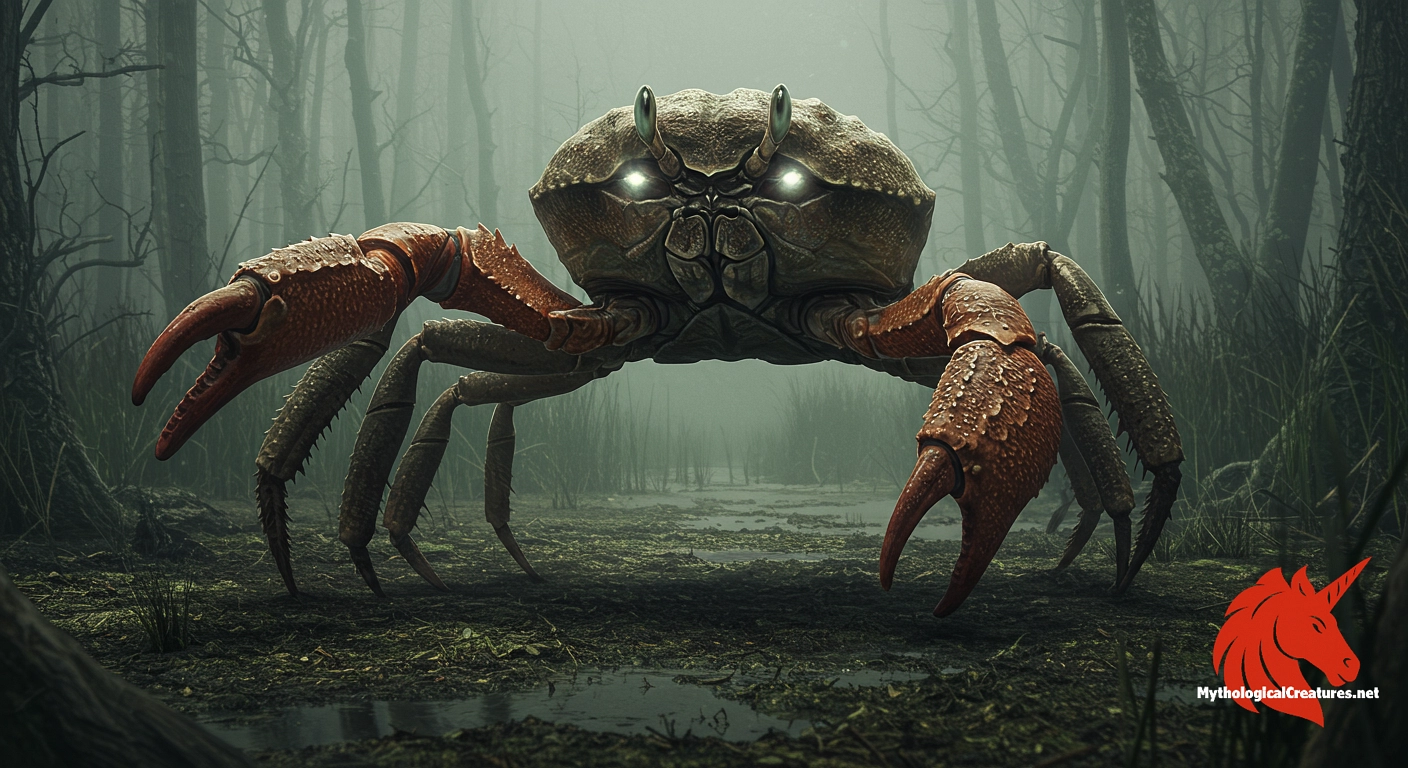
Cancer — Hera’s Loyal Crab
Sometimes referred to as "Karkinos". Pinched Heracles mid-Hydra fight; rewarded as the zodiac sign Cancer.
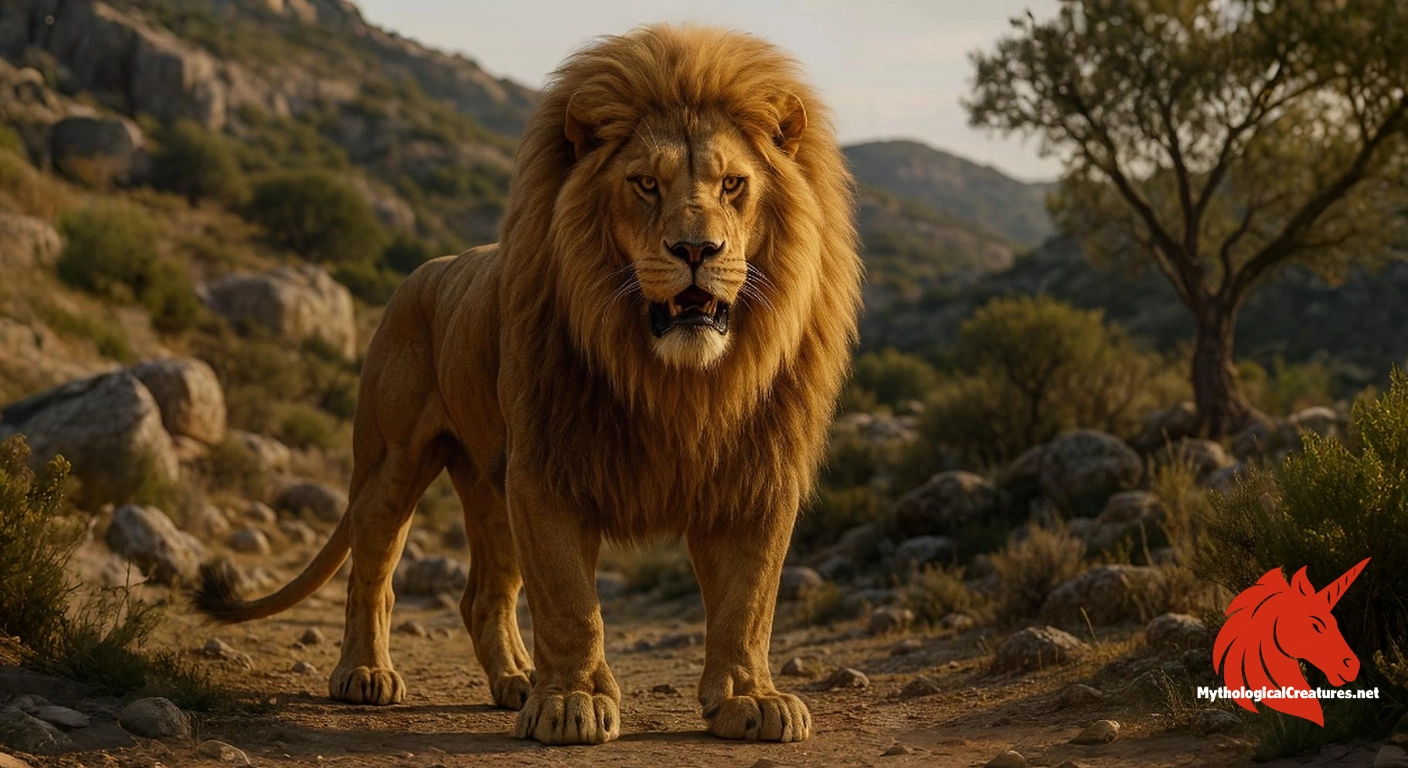
Nemean Lion — Hide Tougher Than Steel
Forced Heracles to switch from weapons to wit—leadership lesson: rethink methods.
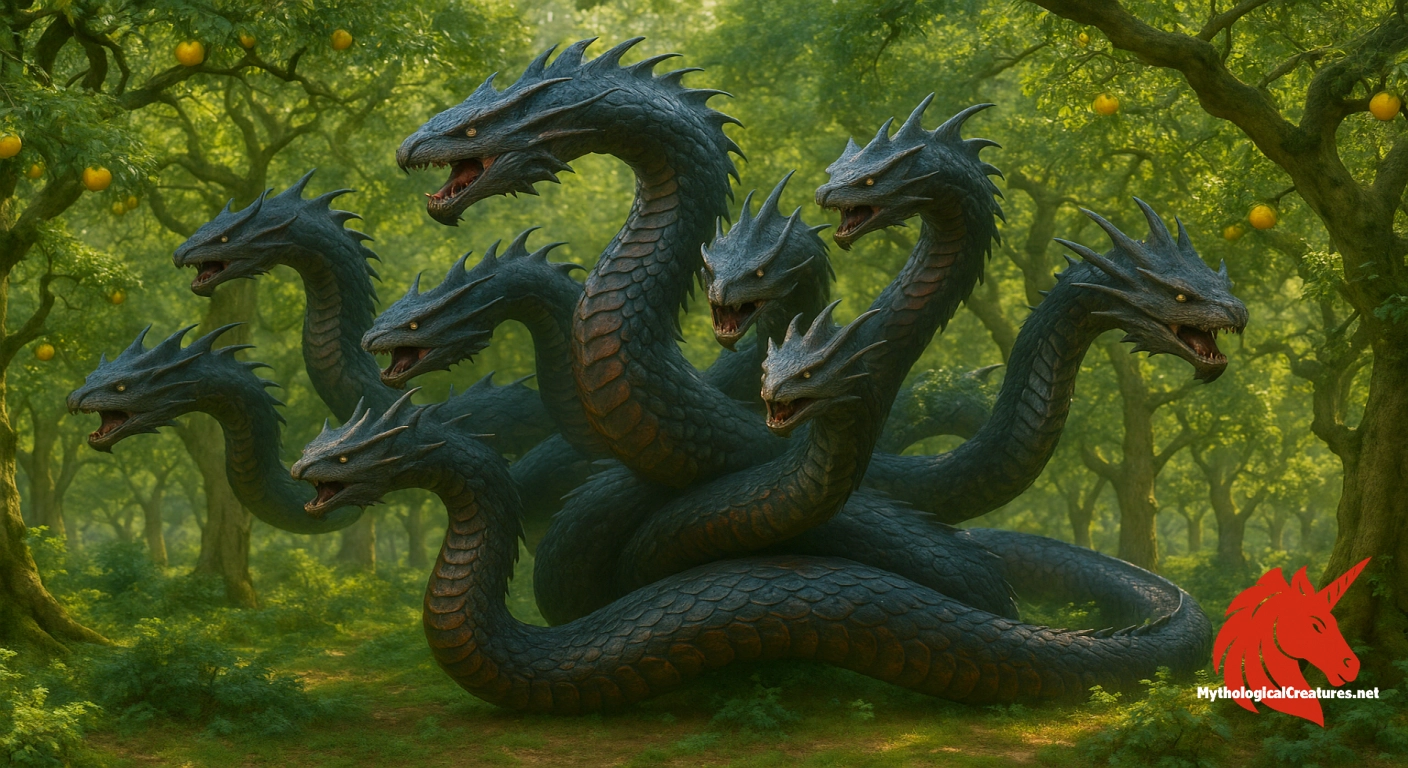
Ladon — Dragon of the Golden Apples
A hundred heads guard a single objective: the ultimate metaphor for layered security.
FAQ — Some of the Many Queries We Have Received:
How many Greek mythological creatures exist?
Scholars list 150 – 200 distinct beings; oral tradition let new hybrids bloom whenever storytellers needed fresh symbolism.
Are gods classed as creatures?
Technically divine, yet Greek gods frequently shape-shift into animals (Zeus as a swan), blurring the line between deity and monster.
Strongest creature?
Metrics matter: physical might (Typhon), invulnerability (Nemean Lion), or psychological sway (Sirens). Each “strength” dominates a different arena, so the definition of 'strongest' is subjective rather than objective.
Where did these beings live?
Habitats across the various mythological creatures vary. Sea (Scylla & Charybdis), mountains (Cyclopes on volcanic isles), underworld (Cerberus), sky (Pegasus). Settings double as metaphors for emotional landscapes—depths of grief, heights of ambition.
Do Greek creatures influence other cultures?
Yes, most definitely. Romans adopted Greek mythological creatures wholesale; medieval bestiaries fused them with Christian allegory; modern franchises (Harry Potter, Marvel) echo their DNA.
The Modern Legacy of Greek Creatures
- Literature — From Dante to Rick Riordan, authors recycle these beasts to test new heroes.
- Cinema & Gaming — Blockbusters (Clash of the Titans) and AAA titles (God of War) render Hydra battles with CGI flair.
- Branding & Psychology — Companies leverage Pegasus for speed, Medusa for transformative beauty; Jungian analysts decode dream Sphinxes.
- Science & Space — NASA christened Cerberus Fossae on Mars and the moon Hydra of Pluto—mythic names map uncharted territory.
Our insight: Myth-powered branding offers ready-made narrative capital—just ensure the symbolism aligns with your value proposition.
In Summary — Why These Creatures Still Roam Our Imagination
Greek mythological creatures endure because they translate the abstract into the unforgettable. A single tale delivers terror (Hydra), ingenuity (Daedalus’ Labyrinth), hope (Pegasus), or temptation (Sirens). Their hybrid bodies broadcast hybrid meanings—ideal for a 21st-century world where boundaries blur between physical and digital, human and machine.
Whether you’re a casual myth-lover, a marketer hunting archetypes, or a leader seeking narrative frameworks to drive change, stepping into the labyrinth of Greek mythical creatures offers timeless insight—and a thrilling escape.