
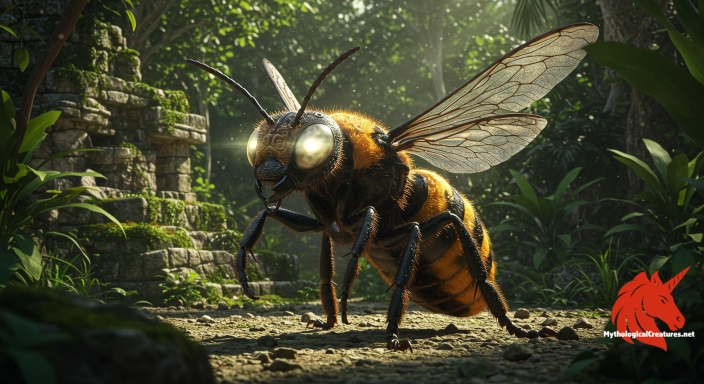
Ah-Muzen-Cab: Ah Muzen Cab is the Maya god of bees and honey, depicted as an upside-down stingless bee.
Ah-Muzen-Cab
Ah-Muzen-Cab - Central figure in Maya cosmology and beekeeping traditions, symbolizing creation, protection, and cosmic renewal
the legend in five swipes.
the legend in five swipes.
Ah-Muzen-Cab: Where the Legend Started
Ah Muzen Cab emerges as one of the most captivating figures within ancient Maya cosmology, interweaving the realms of nature and spirituality. His identity as the god of bees and honey underscores an intimate connection between the Maya people and the nurturing qualities of the natural world. Rooted in ancient tradition, his origins reflect the cyclical conception of the cosmos, particularly in the context of the fourth and final cycle of creation. His first attestations appear in sacred temple art and ritual spaces, where he is portrayed with an enigmatic inversion that challenges conventional order. The deity’s imagery, often depicted upside-down, highlights his unique role as a mediator between the celestial and the netherworld. His myth is embedded within a rich tapestry of symbolism that marries the fertility of the land with cosmic renewal. The very bees he represents, particularly the stingless varieties native to the Yucatán, symbolise both sustenance and transformation. Ancient Maya communities revered him not only as a creator but also as a protector, reflecting the profound appreciation for nature’s bounty. His mythological narrative remains an essential thread in the cultural fabric of the region, resonating deeply with themes of rebirth and harmony. The enduring allure of Ah Muzen Cab lies in his ability to embody the dynamic interplay between life, death, and eternal regeneration.
How many versions of the Ah-Muzen-Cab story are there?
Primary accounts of Ah Muzen Cab derive from a blend of archaeological findings and enduring oral traditions. Sacred sites such as the Temple of the Descending God in Tulum serve as physical testimonies to his pivotal role in Maya ritual life. Ancient carvings, murals, and codices present versions of his myth that vary in detail yet consistently highlight his inverted posture. Artisans and scribes of the time meticulously recorded his deeds, merging iconographic elements with narrative accounts. Various story variants portray him as both a unifying cosmic force and the protector of vital bee species, reflecting multifaceted aspects of creation. The recurring motif of his descent or diving imagery weaves through diverse interpretations found in temple reliefs and ceremonial objects. Ritual chants and ceremonial recitations have helped preserve his legacy, fostering a living tradition around his myth. The diversity within these sources illustrates the adaptability and layered significance of his character in Maya spirituality. Intersecting lines of evidence from both material culture and intangible lore paint a portrait of a deity integral to the understanding of cosmic cycles. The convergence of these narratives emphasises his enduring importance and the profound impact of his myth on Maya religious thought.
Ah-Muzen-Cab: Powers, Strengths and Vulnerabilities
Ah Muzen Cab is consistently portrayed as a divine embodiment of the stingless bee, particularly associated with the Melipona species. Ancient art renders him with a striking blend of naturalistic detail and mythic embellishment, capturing the segmented exoskeleton and delicate wings of his bee form. His iconography is marked by a deliberate inversion, with representations often depicted upside-down, symbolising a departure from ordinary order. Rich decorative motifs embellish his figure, integrating patterns that evoke the lush flora and vibrant colours of the Yucatán landscape. The deity’s visage is imbued with both a fierce intensity and a gentle wisdom, encapsulating the duality of creation and protection. Subtle anthropomorphic qualities bridge the gap between human experience and the natural world, making his form instantly recognisable yet enigmatic. His physicality is accented by ritualistic insignia and vibrant hues that reinforce his divine status. Variations in size and detail among different depictions reveal the artistic diversity of the Maya, while consistently preserving his essential bee-like features. The dynamic portrayal of his wings and body contours speaks to an energy that transcends the mortal realm. This sophisticated blend of nature and divinity in his physical representation continues to intrigue both ancient admirers and modern interpreters.
Ah-Muzen-Cab: One Legend, Many Local Versions
Across the diverse landscapes of the Yucatán Peninsula, regional interpretations of Ah Muzen Cab highlight distinct cultural nuances that enrich his myth. In some areas, his image is interlaced with additional symbols of fertility and abundance, tying him closely to the cycles of agriculture and seasonal change. Coastal communities incorporate maritime elements into his iconography, reflecting the seamless integration between land, water, and the spirit world in Maya thought. Local artistic traditions have reimagined his distinctive inverted posture, sometimes accentuating it through unique stylistic treatments on ceramics and murals. Rural villages continue to celebrate his myth through festivals that honour beekeeping and the harvest, reinforcing his role as a protector of nature’s bounty. In highland regions, his narrative is intertwined with legends of the underworld, emphasising his function as a guide to both life and rebirth. These regional expressions often blend ancient motifs with contemporary cultural practices, adapting his story for local contexts. Variations in colour schemes, ornamentation, and posture among depictions reveal the creative interplay between local identity and broader Maya cosmology. This regional variation not only preserves ancient traditions but also encourages ongoing re-interpretation of his enduring symbolism. Through these diverse local lenses, Ah Muzen Cab remains a vibrant figure bridging pre-Columbian heritage and modern cultural expression.
Ah-Muzen-Cab: Related Figures Across Cultures
Ah Muzen Cab stands at a fascinating crossroads where indigenous Maya beliefs intersect with universal themes of creation and regeneration. His role as a bee deity finds intriguing parallels in multiple cultures that have revered bees for their symbolic link to fertility and cosmic order. Similar to traditions in the Mediterranean and Near East, where the bee is celebrated as a harbinger of wisdom and renewal, his myth resonates with a cross-cultural appreciation for nature’s industrious spirit. The unique inversion in his depictions evokes echoes of deities in other mythologies who challenge conventional order, inviting comparisons with figures celebrated for their transformative roles. This thematic echo enhances the understanding of his cosmic function, aligning him with archetypal images of descent and rebirth found in disparate civilizations. Across various indigenous narratives, bees emerge as powerful symbols of communal prosperity and continuity, mirroring the multifaceted nature of his character. The integration of human qualities with naturalistic features in his portrayal parallels similar divine hybridity in other mythic traditions. This cross-cultural dialogue underscores the shared human fascination with the mysteries of nature and the spiritual realm. By highlighting these common threads, Ah Muzen Cab’s iconography becomes part of a broader tapestry of mythological motifs that celebrate the balance between chaos and order. Such comparative analysis enriches our understanding of how ancient communities across the globe have invoked the humble bee as a potent symbol of life and transformation.
Ah-Muzen-Cab: The Modern Legacy
Throughout history, Ah Muzen Cab has retained a powerful influence within the cultural memory of the Maya, evolving alongside shifting societal and environmental paradigms. His ancient depictions in temples and ceramics have transcended their original contexts to inspire contemporary interpretations in art, literature, and popular culture. The myth of a bee deity who governs cycles of creation and renewal has proven adaptable, resonating with modern audiences in an era increasingly aware of ecological interdependence. Contemporary festivals in the Yucatán often invoke his image, celebrating not only ancestral heritage but also the vital importance of biodiversity and natural harmony. Modern artists reinterpret his inverted iconography as a symbol of challenging established hierarchies and embracing transformative change. His narrative continues to serve as a metaphor for sustainability and the ongoing balance between human intervention and natural processes. As new generations engage with his myth, aspects of his ancient symbolism are woven into community rituals and environmental initiatives. The evolution of his icon reflects a broader trend in which ancient deities are reimagined to address present-day challenges and aspirations. His enduring presence in local lore and modern media underscores his role as both a guardian of tradition and an emblem of innovative thought. Ultimately, the legacy of Ah Muzen Cab stands as a timeless reminder of the intricate connections between nature, culture, and the eternal cycles that define our world.
Interesting Fact
An intriguing aspect of Ah Muzen Cab is his consistent inverted portrayal, which many scholars believe symbolizes the reversal of natural order during cosmic renewal cycles.
Mythological Treasures
Egyptian Legends: A field guide to the gods and monsters of ancient Egypt
Guardians of the living and devourers of the dead, with the role each played in judgement.
Chinese Beasts: A field guide to the dragons and demon kings of Chinese myth
From river dragons to demon kings, with the legends that shaped five thousand years of storytelling.
Japanese Yokai: A field guide to the spirits and demons of Japanese folklore
Fifteen spirits, with the signs to watch for and what the old tales say to do if you meet one.
the legend in five swipes.
Curated sponsor space
One subtle banner. Thousands of myth lovers.
We offer a small number of curated sponsor spots for relevant books, courses, games, and art. No clutter, just well-matched partners.
Partner with usQuick Creature Info
Origin:
Features:
Associations:
Our Mythic Legendary Rating:

Also Sometimes Known As:
Habitat:
Supernatural Powers:
Physical Attributes:
Abilities:
Behavior:
Lore:
Related Creatures, Tales or Lore
- AAristaeus
- IItzamna
- MMelissa (in aspects as bee-associated figures)
References
Discover Another Mythical Legend You May Not Have Heard Of?
Uncover the mysteries of ancient folklore and expand your knowledge of legendary beings from cultures around the world.
Dare to Meet the Nemesis....
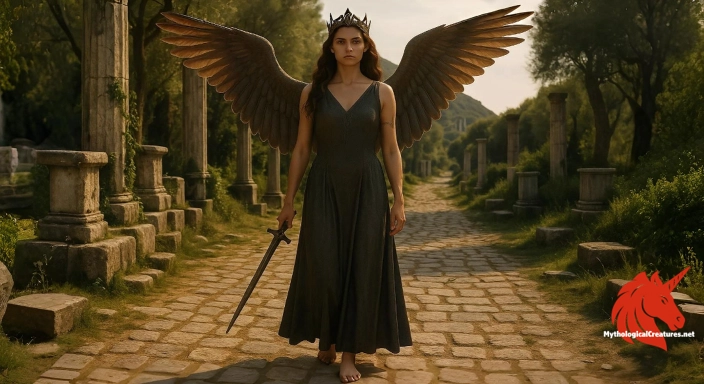
The Mythological Creatures Book Series
Yokai, Greek, Norse, Egyptian & Chinese. Five illustrated field guides to the creatures the old stories either warned or told you about.
Curated by the Mythological Creatures Team
Series editor: Mythological Creatures Directory
Primary desk: Americas & Indigenous Traditions Desk
(rev. November 2025)