
Archura: Archura is a shapeshifting woodland spirit from Turkic mythology, known for protecting wild animals and forests.
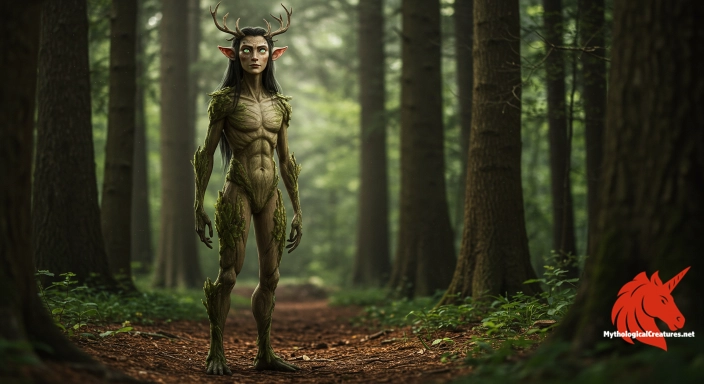
Archura
Archura - Archura is revered as a protector of natural habitats and a symbol of the deep connection between nature and the spiritual world in Turkic folklore.
Origins & First Encounters
Archura is a celebrated woodland spirit from Turkic mythology, renowned for its shapeshifting abilities and fierce protection of wild animals and forests. Its origins trace back to ancient Turkic traditions, where early attestations reveal a spirit that embodies the untamed essence of nature. The lore surrounding Archura is steeped in the natural environments of nomadic peoples, with old inscriptions and oral traditions providing glimpses into its mystical realm. The creature is frequently described as an enigmatic guardian whose presence symbolises the delicate balance between humanity and the wilderness. Legends portray Archura as a benevolent force that rewards those who respect nature while punishing those who defile the forest’s sanctity. Its narrative is interwoven with the cultural practices of Turkic tribes, reflecting a profound reverence for the life and vitality of the woodlands. Through shifting forms and mysterious appearances, Archura is seen not only as a protector but also as a mediator between the natural and supernatural worlds. This ancient myth continues to inspire and caution, symbolising an enduring respect for the wild and the wisdom inherent in nature.
Source Texts & Tale Variants
Ancient Turkic texts and oral traditions serve as the primary sources detailing the enigmatic nature of Archura. Subtle references in old manuscripts reveal hints of a shapeshifting guardian whose lore was passed down through generations. Oral narratives, preserved by travelling bards and local storytellers, have offered multiple variants that expand on its multifaceted character. Some versions describe Archura as a silent wanderer of the twilight forests, while others depict it as a playful yet formidable trickster. Fragments of inscriptions in Old Turkic script mention the spirit in connection with sacred groves and wild animal sanctuaries. Variations in the folklore highlight its dual role as a benign protector as well as an unpredictable enforcer of nature’s laws. Recorded in mythic epics and local lore alike, each story variant contributes uniquely to the composite image of this woodland entity. Even though textual evidence remains sparse, the consistency of its portrayal across diverse sources underscores a lasting cultural significance.
Form & Powers
Archura’s physical form is as elusive as it is variable, often described in ways that collectively evoke an otherworldly guardian of nature. Accounts of its appearance range from vaguely humanoid silhouettes to extraordinary combinations of human, animal, and arboreal traits. Some narratives depict it with elongated limbs and skin that mimics the texture of ancient bark, intertwining closely with the flora it protects. Its eyes are occasionally portrayed as luminous orbs, reflecting the deep mysteries and primal energies of the forest. Other descriptions give Archura antler-like horns and a mane that resembles cascading foliage, highlighting its close connection to woodland life. At times, the creature is seen as a shimmering apparition, blending into the mists of dense woodland where shadow and light coalesce. Many tales emphasise its ability to change shape, seamlessly adopting the guise of familiar forest animals such as deer or wolves. The overall depiction is one of a dynamic and mutable entity, where each physical manifestation reminds observers of the ever-changing nature of the wild.
Regional Faces
Regional interpretations of Archura reveal a fascinating diversity in its depiction across the Turkic world and adjacent cultural areas. In Central Asia, it is often portrayed as a benevolent guardian of the deep forests, embodying the spirit of natural resilience. In certain regions, especially in rural Anatolia, the creature is integrated into local folk narratives as a mysterious force that occasionally interacts with village life. Some local traditions, particularly in the Caucasus, have enhanced its human-like qualities, presenting Archura as a subtle mediator between the human and supernatural realms. Different communities have also imbued it with unique characteristics, such as unusual weather control or a dualistic nature that oscillates between protective and vengeful. In the Altai region, the spirit’s role is sometimes amalgamated with broader shamanistic beliefs, reinforcing its presence as a custodian of the natural order. Small variations in ritual practices and seasonal festivals further attest to the dynamic interpretations of Archura’s mythology in different locales. Collectively, these regional variations underscore the creature’s adaptability and enduring significance as a symbol of nature across disparate cultures.
Cultural Parallels
Archura finds numerous parallels in global mythologies where forest guardians serve as symbols of nature’s mystical power. It shares thematic similarities with the Slavic Leshy, both revered as shapeshifting protectors who inhabit and defend the wild. Comparisons can also be drawn with the European Green Man, whose imagery similarly celebrates the interconnectivity of life and nature. These mythic figures echo the same ecological reverence, manifesting traits that ensure the preservation of their natural realms. Like the Japanese Kodama or other tree spirits, Archura also reflects the belief in a living, animate nature imbued with supernatural energies. The recurring motif of a woodland entity bridging the gap between the earthly and the arcane is a testament to shared human values and environmental respect. Cultural narratives across continents articulate similar warnings about the consequences of disrespecting nature, highlighting a universal message. Thus, Archura becomes part of a broader tapestry of mythological guardians whose diverse incarnations inspire admiration for the natural world.
Legacy & Modern Evolution
Over centuries, the myth of Archura has evolved from ancient oral traditions into a modern symbol of environmental stewardship and cultural continuity. Historically, its depiction has been reshaped by the shifting social and ecological contexts of Turkic societies. In earlier times, the spirit was both feared and revered, embodying the raw power of untamed forests and the consequences of human encroachment. As societies modernised, Archura’s narrative took on additional layers of meaning, becoming an icon for the preservation of wilderness and biodiversity. Contemporary reinterpretations in literature, visual arts, and digital media have reinvented the creature as a guardian warrior against modern environmental degradation. This modern legacy often portrays Archura as an enduring reminder of humanity’s reliance on and responsibility to nature. The evolution of Archura’s myth reflects a broader cultural shift, where ancient symbols are repurposed to address current ecological challenges. Through its enduring presence in modern folklore and popular culture, Archura continues to inspire a renewed appreciation for the intricate bonds between tradition, nature, and identity.
Interesting Fact
Archura’s fluid ability to change form has drawn parallels with other nature spirits like the Slavic Leshy, the Japanese Kodama, and the Greek Dryad, underscoring a universal motif in mythologies worldwide.
For authors, artists, and makers
Created something from the realm of myth?
If your book, deck, game, or artwork draws from legendary creatures and lore, you can showcase it here in a tasteful, year-round placement.
Share your projectQuick Creature Info
Origin:
Features:
Associations:
Our Mythic Legendary Rating:

Also Sometimes Known As:
Habitat:
Supernatural Powers:
Physical Attributes:
Abilities:
Behavior:
Lore:
References
Discover Another Mythical Legend You May Not Have Heard Of?
Uncover the mysteries of ancient folklore and expand your knowledge of legendary beings from cultures around the world.
Dare to Meet the Denglong....
-54f0fd70-fe51-409a-a718-31fc65a710e4_small.webp "Depiction of Denglong")
Curated by the Mythological Creatures Team
Series editor: Mythological Creatures Directory
Primary desk: Asian & Pacific Myth Cycles Desk
(rev. November 2025)