
Basajaun: Basajaun is a huge, hairy hominid from Basque mythology known as the Lord of the Woods.

Basajaun
Basajaun - Embodies the link between nature and early human civilisation by both protecting and educating communities.
the legend in five swipes.
the legend in five swipes.
The Origin Story of Basajaun
Basajaun emerges as a striking figure from the depths of Basque myth, embodying both the wildness and nurturing power of the ancient woods. The creature is celebrated as the enigmatic guardian of the forests, where its presence is intertwined with the rhythms of nature and the survival of early communities. Its name, meaning 'Lord of the Woods', hints at a status that surpasses that of an ordinary woodland inhabitant. Deep-rooted in a tradition that bridges prehistory and early civilisation, Basajaun is portrayed as both a benevolent protector and a formidable force. The myth has been passed down through oral tradition, forming a subtle yet enduring part of Basque cultural identity. Early attestations suggest that Basajaun was seen not only as a wild being but also as an embodiment of ancestral wisdom and natural harmony. The creature’s association with the megalithic constructions and the secrets of agriculture and ironworking speaks to an intimate connection with humanity’s formative years. Its dual character, melding elements of care and menace, encapsulates the delicate balance between civilisation and the untamed wilderness. In essence, Basajaun remains a living symbol of a primordial era when nature and mankind were bound by mutual respect and mystery.
Basajaun: How the Tale Was Told and Retold
Examinations of Basajaun’s myth reveal a rich array of primary accounts, many of which have been preserved in Basque oral tradition. Various storytellers have kept alive the memory of this tremendous forest being through centuries of folklore. Detailed folktales recount how Basajaun would patrol the wooded hinterlands, safeguarding livestock and imparting invaluable skills to early settlers. Multiple versions of the story describe his involvement in the establishment of early agricultural practices and even in the construction of megalithic structures. Among these narratives, some tales highlight a benevolent protector who alerts shepherds by means of a distinctive bell shake when danger is near. Other variants evoke a more formidable spirit, underscoring the ambiguities inherent in his character. Ethnographic accounts collated during the 19th and early 20th centuries offer a window into a world where myth and memory converge. In the Aragonese valleys, the creature appears under alternate names such as Basajarau and Bosnerau, further emphasising its widespread cultural influence. Collectively, these textual and oral sources create a mosaic of interpretations that both intrigue and inspire those who explore Basajaun’s legendary narrative.
How would you recognise Basajaun?
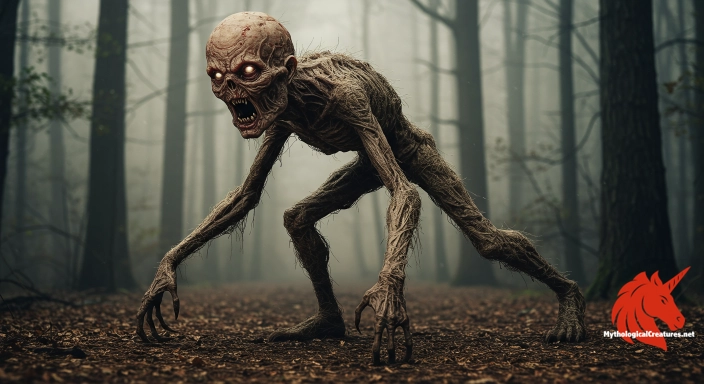
The physical depiction of Basajaun is as fascinating as it is formidable, merging human attributes with the raw essence of nature. Most accounts depict him as a huge, hairy hominid with an imposing stature that blurs the line between man and beast. His entire body is cloaked in a thick, coarse hair, a trait that gives him a wild, almost primordial appearance. A long, luxuriant mane, often described as flowing down to his feet, highlights his connection to the untamed wilderness. His posture is distinctly human, walking upright with broad shoulders and a robust frame that suggests both strength and endurance. Eye descriptions often allude to a deep, penetrating gaze that hints at ancient wisdom and mystery. Variations in the lore sometimes detail subtle differences in facial features or hair texture, reflecting the creature’s complex heritage. The amalgamation of human form with animalistic traits makes Basajaun an enduring symbol of nature’s raw power and an echo of humanity’s archaic beginnings. Each element of his appearance serves to reinforce the idea of a creature that is both protector and relic of a forgotten epoch.
The Geography of the Basajaun Legend
Basajaun’s myth traverses regional boundaries, adapting its form and significance to local traditions across the Basque and neighbouring Aragonese landscapes. In the heart of Basque Country, particularly within the forests surrounding Gorbea and Irati, he is revered as a noble sentinel and an enigmatic benefactor. Moving into the Aragonese valleys of Tena, Anso, and Broto, the creature is known by variant names such as Basajarau, Bonjarau, and Bosnerau, each imbued with slight nuances unique to the locale. These adaptations oblige the creature to embody the values and fears inherent in the local community, ranging from agricultural guardianship to a more ominous presence in the wild. Regional narratives often stress his role in alerting shepherds to impending danger, a testament to his deep-rooted connection with pastoral life. Local portrayals may even diverge on his temperament, oscillating between depictions of warm beneficence and severe retribution. Such regional variations highlight the dynamic interplay between universal myth and local experience, each version colouring Basajaun with a distinct emotional hue. The dialogue between these local adaptations reinforces the creature’s multifaceted nature and ensures that his legend remains both adaptable and enduring across cultural landscapes.
What parallels exist to Basajaun in other traditions?
Basajaun shares many thematic elements with other mythological beings that bridge the gap between the human and the natural world. Similar to the Wild Man or Woodwose of medieval European folklore, he embodies the wild, untamed aspects of nature that lie just beyond the boundaries of civilisation. The creature’s dual role as both a protector and a potential harbinger of danger resonates with diverse cultural figures such as fauns, satyrs, and even the enigmatic Bigfoot of modern legend. Across different mythologies, these beings are celebrated for their mysterious origins and their ability to impart lost or hidden wisdom. Basajaun’s complex character, which mixes benevolence with an underlying ferocity, mirrors the archetypal wild guardian found in many cultural traditions. Comparisons can also be drawn to figures in ancient myth who symbolise the fusion of human ingenuity with the untamable forces of nature. This cross-cultural parallelism underlines a universal human fascination with creatures that dwell between the worlds of order and chaos. The recurring themes of transformation, protection, and the preservation of ancient knowledge serve as a reminder that similar legends have sprung up independently across continents. Insights from these comparative analyses deepen the understanding of Basajaun as not merely a local myth but as part of a broader tapestry woven by humanity’s enduring relationship with the wild.
Basajaun: Then and Now
The legacy of Basajaun has evolved significantly over time, reflecting broader shifts in societal attitudes toward nature and heritage. In earlier eras, the creature was celebrated as a divine intermediary who brought essential skills like agriculture, blacksmithing, and construction to nascent communities. Over the centuries, his image transitioned from that of a simple forest guardian to a complex emblem of ancient wisdom and natural mysticism. Modern interpretations often view Basajaun as a symbol of environmental balance and a reminder of humanity’s deep-seated ties to the natural world. Contemporary literature and visual art have reimagined him through a dual lens of reverence and caution, celebrating his role while also questioning the costs of industrial civilisation. Cultural festivals and regional tourism initiatives have further cemented his status as an icon of Basque and adjacent traditions. The creature’s enduring myth continues to inspire new generations, reflecting an innate desire to connect with a past when nature was venerated above all else. As modern society grapples with the environmental challenges of the present, the Basajaun myth offers a poignant call to respect and preserve the complex tapestry of life. Ultimately, his evolving portrayal resonates as a timeless allegory for the tension between modern progress and the primordial rhythms of the earth.
Interesting Fact
Some scholars believe Basajaun might echo ancient human-Neanderthal encounters, blurring the lines between myth and prehistoric reality.
Mythological Treasures
Egyptian Legends: A field guide to the gods and monsters of ancient Egypt
Guardians of the living and devourers of the dead, with the role each played in judgement.
Chinese Beasts: A field guide to the dragons and demon kings of Chinese myth
From river dragons to demon kings, with the legends that shaped five thousand years of storytelling.
Japanese Yokai: A field guide to the spirits and demons of Japanese folklore
Fifteen spirits, with the signs to watch for and what the old tales say to do if you meet one.
the legend in five swipes.
Reach myth fans
Connect your myth-driven brand with this audience
Our readers are writers, educators, gamers, and collectors who care about mythology. Enquire about a limited sponsor placement on creature pages.
Enquire about sponsorshipQuick Creature Info
Features:
Associations:
Our Mythic Legendary Rating:

Also Sometimes Known As:
Habitat:
Supernatural Powers:
Physical Attributes:
Abilities:
Behavior:
Lore:
Related Creatures, Tales or Lore
- WWoodwose
- EEnkidu
- YYeti
References
Discover Another Mythical Legend You May Not Have Heard Of?
Uncover the mysteries of ancient folklore and expand your knowledge of legendary beings from cultures around the world.
Dare to Meet the Dydko....
The Mythological Creatures Book Series
Yokai, Greek, Norse, Egyptian & Chinese. Five illustrated field guides to the creatures the old stories either warned or told you about.


Curated by the Mythological Creatures Team
Series editor: Mythological Creatures Directory
Primary desk: Hellenic & Ancient Mediterranean Desk
(rev. November 2025)