
Dydko: Dydko is a supernatural demon from Polish folklore, originally revered as a house guardian before evolving into a bogeyman.
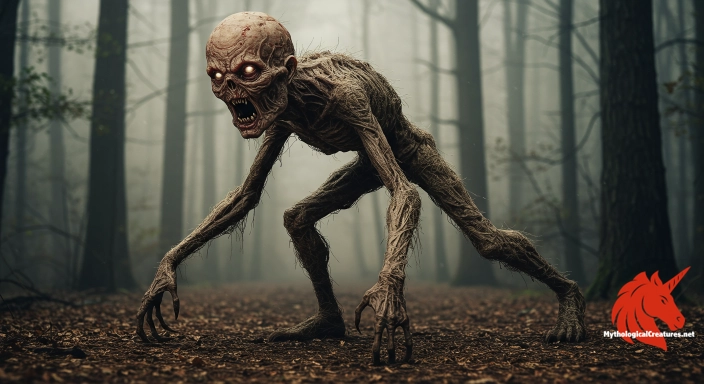
Dydko
Dydko - Serves as a cautionary symbol against vanity and misbehaviour, reflecting the impact of Christianisation on traditional Slavic mythological figures.
Origins & First Encounters
Dydko is a mysterious figure deeply rooted in Polish folklore whose origins stretch back to ancient Slavic beliefs. Over time, the creature evolved from a revered household guardian to a sinister bogeyman designed to instil caution among the young and the vain. Its early presence in myth was marked by a blend of respect and apprehension, as communities sought to explain unexplained phenomena in their daily lives. As religious sensibilities shifted with the advent of Christianity, the once-protective spirit was recast in a darker, more menacing light. The transformative journey from guardian to devilish figure mirrors the cultural upheavals of the region. This evolution demonstrates how interpretations of supernatural beings can adapt in response to changing moral and spiritual norms. With its ancient roots and complex narrative, Dydko serves as a symbol of both heritage and the shifting boundaries between good and evil. Its lore remains a potent blend of the old world and newer anxieties, capturing the imagination of all who encounter its tale.
Source Texts & Tale Variants
The story of Dydko has been preserved through a rich tapestry of oral traditions and folkloric compilations that date back several centuries. Early chronicles and local legends carry echoes of its pre-Christian role, though the narrative has been modified over generations. Various storytellers have passed down the creature’s legacy, contributing diverse perspectives on its functions and demeanour. Some accounts highlight its early status as a benevolent domestic spirit, while others detail its transformation into a nefarious night-time presence. The creature is mentioned in regional folk songs and cautionary narratives, which served to warn children of the dangers of vanity and isolation. Traditional storytellers often enriched its myth by linking it to common domestic woes and the eerie ambience of the night. Variations of its name—such as didko, ditko, or dydo—echo the fluidity of its character across different communities. The wealth of sources not only cements Dydko’s place in the folklore of Poland but also illustrates the dynamic evolution of myth over time.
Form & Powers
The physical portrayal of Dydko is as striking as it is unsettling. It is commonly depicted with a disproportionately large head that looms over its spindly body, creating an imbalance that is both absurd and disconcerting. The creature is endowed with straw-like legs, often compared to the delicate yet eerie appendages of a spider. This unusual combination of features blends organic and unnatural elements in a way that defies standard aesthetics. In some accounts, its skin appears patchy, as if composed of remnants from both nature and the supernatural. The creature’s eyes are sometimes described as having an uncanny gleam, hinting at a vestige of its once-protective essence. Its overall stature appears variable, with some depictions portraying it as diminutive while others grant it an imposing, almost towering presence. Such vivid and often contradictory details have allowed artists and storytellers alike to reimagine Dydko’s form in manners that continue to fascinate and horrify in equal measure.
Regional Faces
Regional interpretations of Dydko reveal a fascinating spectrum of local adaptations and nuances. In some parts of Poland, the creature’s origins as a house guardian remain somewhat intact, with communities viewing its appearance as both a warning and an omen. In more rural areas, the myth has transitioned into a narrative of nocturnal peril, with Dydko assuming the guise of a forest devil haunting the dark hours. Certain districts embellish its physical traits or assign additional supernatural behaviours, such as manifesting in mirrors or emitting an ominous slurping sound. Border communities that share cultural ties with Russia often draw comparisons between Dydko and the domowik, thereby enriching the myth with cross-cultural influences. These regional variations not only reflect differences in local belief systems but also highlight the flexible nature of myth as it adapts to distinct environmental and societal challenges. Some storytellers emphasise its role in teaching moral lessons to the young, while others celebrate its inherent mystery. Across all regions, the dynamic portrayal of Dydko remains a testament to the enduring power of folklore to capture local spirit and collective imagination.
Cultural Parallels
Dydko occupies a unique position within the broader context of European mythology, where comparisons with similar beings reveal striking thematic resonances. Its early incarnation as a domestic guardian draws immediate parallels with figures like the Russian domovoi, both of which straddle the line between benevolence and malevolence. Like other European bogeymen, Dydko has been repurposed to serve as a punitive symbol in cautionary tales aimed at discouraging undesirable behaviours. The creature’s evolution from a protector to a devilish apparition is echoed in the transformation narratives of similar entities across the Slavic world. Comparisons with the likes of the German Nachtkrapp or the Spanish Coco further highlight its role in inducing fear and moral introspection. This cross-cultural analysis underscores a broader pattern in which enduring guardian spirits are reinterpreted in light of societal changes. The fluidity of its identity offers insights into how mythological creatures can encapsulate both local traditions and shared human anxieties. In doing so, Dydko not only maintains its distinctiveness but also contributes to a universal dialogue on the nature of the supernatural and its place in human experience.
Legacy & Modern Evolution
The historical evolution of Dydko is emblematic of the broader shifts in myth-making that accompany cultural and religious change. Initially celebrated as a protective spirit integral to pre-Christian belief systems, the creature’s narrative was reconfigured as Christianity spread through the region. This shift produced a darker, more menacing figure that served as a bogeyman designed to control behaviour and caution against vanity. In modern times, Dydko has experienced a renaissance of interest as part of a broader re-examination of folk traditions in literature, film, and art. Contemporary interpretations often blend the grotesque with the whimsical, capturing both the terror and the charm of this enigmatic figure. The creature continues to inspire creative re-imaginings, with visual artists and writers exploring the interplay between its ancient origins and modern symbolic meanings. Dydko’s legacy is celebrated at folklore festivals and cultural exhibitions, where its mysterious character invites audiences to reflect on the power of myth. This enduring appeal underscores the dynamic nature of folklore, serving as a bridge between the ancient past and the rapidly evolving narratives of the present.
Interesting Fact
Dydko’s evolution from a protective house spirit to a feared bogeyman highlights how cultural and religious shifts can transform the roles of mythological figures over time.
Reach myth fans
Connect your myth-driven brand with this audience
Our readers are writers, educators, gamers, and collectors who care about mythology. Enquire about a limited sponsor placement on creature pages.
Enquire about sponsorshipQuick Creature Info
Our Mythic Legendary Rating:

Also Sometimes Known As:
Habitat:
Supernatural Powers:
Physical Attributes:
Abilities:
Behavior:
Lore:
References
Discover Another Mythical Legend You May Not Have Heard Of?
Uncover the mysteries of ancient folklore and expand your knowledge of legendary beings from cultures around the world.
Dare to Meet the Ceasg....

Curated by the Mythological Creatures Team
Series editor: Mythological Creatures Directory
Primary desk: Northern & European Folklore Desk
(rev. November 2025)