
Bhandasura: Bhandasura is an asura from Hindu mythology renowned in Shaktism.

Bhandasura
Bhandasura - Bhandasura’s defeat by the goddess Lalita underscores the triumph of divine feminine power over demonic forces and chaos.
Origins & First Encounters
Bhandasura stands as a formidable asura within the rich tradition of Shaktism, his story echoing through the corridors of ancient Hindu literature. Born of cosmic tumult and dark energies, his origin is intimately tied to the divine narrative of the goddess Lalita. His earliest recorded appearance is embedded in the Lalita Mahatmaya of the Brahmanda Purana, where his menacing presence sets the stage for an epic confrontation. In these ancient texts, his character symbolises the inherent clash between chaotic forces and the divine order. Over time, his legend has woven itself into the devotional practices of countless communities, resonating as a metaphor for the eternal battle between good and evil. The narrative surrounding him accentuates themes of cosmic reordering, where the defeat of a seemingly invincible foe heralds the restoration of harmony. His myth not only underpins theological doctrines in Shaktism but also inspires a moral narrative about the eventual triumph of righteousness. As devotees revisit his story through recitations and rituals, Bhandasura remains a potent emblem of the dangers inherent in uncontrolled power. His legacy, steeped in both terror and mystery, continues to fuel artistic and religious expressions across the Indian subcontinent.
Source Texts & Tale Variants
The primary source of Bhandasura's myth is found in the Lalita Mahatmaya, an integral component of the Brahmanda Purana that vividly recounts his catastrophic clash with the goddess. This sacred text provides a detailed narrative of his origins, his unscrupulous ambitions, and the eventual divine intervention that led to his defeat. Beyond this canonical work, various tantric scriptures and temple traditions echo his tale, each adding nuanced elements to the story. The oral traditions prevalent in different regions of India further enrich his myth, allowing for local adaptations and variations. Diverse manuscripts and commentaries have reinterpreted the account, sometimes portraying him with expanded attributes of malevolence and power. In some recensions, minor episodes embellish his character, highlighting not just his physical might but also his symbolic role as the personification of chaos. The multiplicity of sources ensures that Bhandasura's narrative remains dynamic and multifaceted, bridging the gap between literary canon and folk memory. Every retelling serves to underline the timeless cosmic conflict between devout order and rebellious force. Thus, the scattered textual heritage of his legend reinforces its enduring appeal and spiritual potency.
Form & Powers
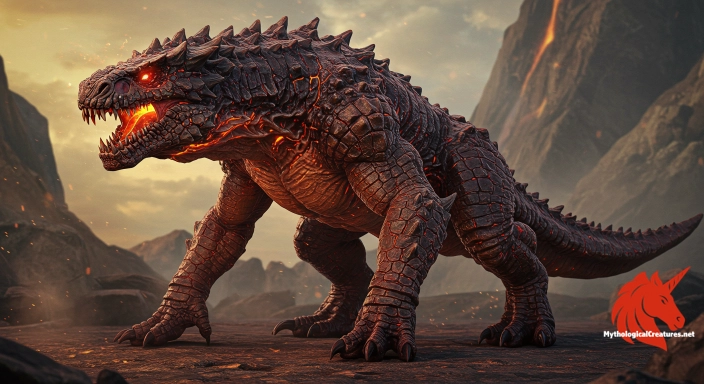
Bhandasura is envisioned as a colossal demon whose physical form radiates an aura of dread and supernatural menace. His anatomy is frequently described as a bewildering blend of monstrous features that defy the natural order, with a visage marked by piercing, malevolent eyes and a snarling countenance. Ancient iconography often depicts him with pronounced horns and elongated limbs, features that intensify his demonic allure. His body is rumoured to possess a robust, muscular structure draped in a dark, almost charred complexion that starkly contrasts with the luminous form of the goddess. Some narratives suggest that his form is ever-shifting, sometimes manifesting as a multi-headed or multi-limbed creature to symbolise the manifold aspects of chaos. The detailing in temple carvings captures his ferocity through intricate patterns that underline each jagged contour and sinister line. In various artistic renditions, the interplay of shadow and form is used to evoke the terror his presence alone can inspire. Meticulous illustrations convey not only his physical enormity but also the intense energy that exudes from every fibre of his being. Overall, his formidable physical presence serves as a visual testament to the profound forces of disorder he embodies.
Regional Faces
Bhandasura’s myth has been embraced and reshaped by various regional traditions, each adding their own cultural hues to the ancient narrative. In southern India, temple festivals vividly re-enact his fateful encounter with the goddess Lalita, with dramatic performances that underscore the triumph of divine power over dark forces. In the eastern regions, particularly in Bengal, the tale is interwoven with local Shakta practices, where his defeat is celebrated as a pivotal moment of moral and cosmic realignment. Northern retellings often imbue his character with a dual nature, presenting him as both a literal demon and a symbolic adversary within the human psyche. Local artists and theatre groups frequently portray him with distinctive, region-specific attributes that resonate with local lore and iconography. These adaptations not only reflect indigenous artistic sensibilities but also mirror local cultural ideologies about power, chaos, and redemption. In several communities, the myth of Bhandasura is accorded a ritualistic significance, serving as a narrative backbone for seasonal celebrations and communal dances. The regional variations highlight the myth’s adaptability, allowing each culture to reinterpret his character in a manner that speaks directly to its unique spiritual concerns. Collectively, these diverse renditions ensure that his legend remains both regionally relevant and universally compelling.
Cultural Parallels
Bhandasura’s narrative finds intriguing parallels with demonic figures and cosmic adversaries across a variety of mythological traditions. His portrayal as a destructive force mirrors the rebellious nature of the Greek Titans, who similarly challenged divine order in ancient lore. Like the Buddha’s adversary, Mara, whose seductive influence diverts spiritual seekers, Bhandasura embodies the temptations of chaos and moral decay. There is a striking resemblance between his myth and Persian tales of Ahriman, the embodiment of all that is opposed to divine light. Such cross-cultural comparisons accentuate the universal theme of the confrontation between order and entropy. The recurring motif of a dark and formidable force ultimately subdued by divine intervention is a familiar narrative across many ancient cultures. These analogues emphasise that despite the geographical distance, societies have long sought to understand and symbolise the struggle between good and evil. In many ways, Bhandasura’s character serves as an archetypal reminder of the perils that arise when unchecked darkness challenges the sacred balance. This cross-pollination of mythological themes not only enriches his story but also underscores the global resonance of such timeless conflicts.
Legacy & Modern Evolution
The evolution of Bhandasura’s myth over the centuries reflects a deep interplay between tradition and modern reinterpretation. In early texts, he was a stark symbol of overwhelming chaos, whose defeat by the luminous goddess Lalita affirmed the supremacy of divine order. Over time, scholars, poets, and artists reimagined his character, imbuing it with layers of symbolic meaning that extend beyond mere physical antagonism. Modern artistic expressions, ranging from classical dance dramas to digital multimedia, have revived his myth, presenting it as a complex narrative of human and cosmic struggles. Contemporary interpretations occasionally view him as a metaphor for internal vices and societal turmoil, thereby transcending the literal to embrace the allegorical. His story remains a staple in ritualistic celebrations and temple festivities, where it upholds the timeless message of hope and moral renewal. The enduring fascination with his myth underscores its capacity to inspire not only awe and reverence but also critical reflection on the nature of evil. As communities continue to explore and perform these ancient stories, Bhandasura persists as a vivid reminder of the ever-relevant battle between chaos and order. His legacy, woven into the fabric of cultural and religious identity, continues to adapt to the changing contours of modern spirituality.
Interesting Fact
An interesting aspect of Bhandasura’s myth is that his downfall at the hands of Lalita not only reinforces the themes of divine victory but also highlights the pivotal role of the goddess in maintaining cosmic order within Shakta traditions.
For serious mythcraft
Your project belongs among the legends
If your work deepens how people understand, play with, or teach mythology, a sponsor placement here keeps it in front of the right readers all year.
Submit a sponsorship enquiryQuick Creature Info
Features:
Associations:
Our Mythic Legendary Rating:

Habitat:
Supernatural Powers:
Physical Attributes:
Abilities:
Behavior:
Weaknesses:
Lore:
Related Creatures, Tales or Lore
- MMahishasura
- RRaktabija
- SShumbha
References
Discover Another Mythical Legend You May Not Have Heard Of?
Uncover the mysteries of ancient folklore and expand your knowledge of legendary beings from cultures around the world.
Dare to Meet the Fire-breathing monster....
Curated by the Mythological Creatures Team
Series editor: Mythological Creatures Directory
Primary desk: Asian & Pacific Myth Cycles Desk
(rev. November 2025)