
Bhasmasura: Bhasmasura is an infamous asura from Hindu mythology, endowed with the power to turn anyone he touches on the head to ashes.

Bhasmasura
Bhasmasura - His story serves as a moral lesson on the dangers of unchecked power and the wisdom of divine intervention.
the legend in five swipes.
the legend in five swipes.
Bhasmasura: How the Story Began
Bhasmasura emerges from Hindu mythology as a formidable demon endowed with a paradoxical gift, encapsulating the age-old tension between divine favour and destructive ambition. He was granted an extraordinary boon that allowed him to turn anyone he touched on the head into ashes, a power that ultimately proved to be his undoing. His narrative is woven into the rich fabric of mythic lore, reflecting themes of unchecked desire and the peril inherent in tampering with cosmic forces. Early Puranic references hint at a time when stories of divine boons and demonic defiance captured the collective imagination of ancient audiences. Over time, the legend of Bhasmasura has evolved, transcending its original context to serve as a potent metaphor for the downfall that often accompanies hubris. His tale is interlaced with spiritual lessons and a cautionary reminder about the responsibilities that accompany great power. The interplay between his destructive gift and the eventual divine retribution highlights the intricate balance maintained in the cosmic order. His story remains not only a narrative of demonic might but also an allegory for the consequences of overweening ambition. In this way, Bhasmasura symbolizes the eternal struggle between uncontrolled power and the restorative forces of wisdom and restraint.
Bhasmasura: Variants Across the Sources
The primary sources detailing the legend of Bhasmasura are embedded in ancient Sanskrit texts and the vast corpus of Puranic literature. Traditional accounts recount his tale alongside that of other asuras, integrating his narrative within the broader divine drama of deities and demons. Several versions of the story have been preserved in oral traditions and written manuscripts, each adding layers of nuance to his fall from grace. Mohini, the enchanting avatar of Vishnu, plays a pivotal role in many of these retellings, her cunning manoeuvre ultimately leading him to his demise. Regional texts sometimes embellish the core narrative, enriching it with local idioms and interpretative details that resonate with diverse cultural audiences. Temple carvings and folk performances also serve as visual and interactive repositories of his story, illustrating the dynamic nature of myth transmission. These varied sources reflect a tapestry of interpretations that have allowed Bhasmasura’s legend to adapt meaningfully across generations. Collectively, the documents and traditions that recount his tale offer insight into ancient beliefs about the limits of power and the inevitability of retribution.
Bhasmasura: Physical Form and Supernatural Powers
Artistic depictions of Bhasmasura, while not uniformly detailed in ancient texts, reveal a figure marked by an intense and fearsome presence. He is often portrayed with a fierce countenance, his eyes alight with a supernatural, fiery glow symbolising the destructive power he wields. Sculptures and murals typically render him with sharp, angular features and a wild mane of hair that accentuates his untamed nature. Many representations include horns and a robust, muscular frame, evoking the raw strength characteristic of asura imagery. The colour palette associated with his imagery frequently incorporates deep, ashen tones, which mirror both his name and the ashes that define his destiny. Iconography sometimes emphasises the contrast between his dark, foreboding form and the luminous, almost ethereal aura generated by his cursed ability. Variations in his size and form are evident across different art forms, with some depictions casting him as towering and overwhelming, while others present a more subtly menacing figure. This fusion of physical detail and symbolic colourings ensures that Bhasmasura’s appearance is as arresting as the moral lessons his legend conveys.
Bhasmasura: Regional Differences in the Legend
The tale of Bhasmasura travels far beyond its original textual origins, adapting uniquely to diverse regional cultural contexts within the Indian subcontinent. In Southern India, his story is frequently immortalised in the intricate carvings of temple architecture, where the dramatic moment of his downfall is depicted with both artistry and devotional significance. Northern variants often focus on the ethical dimensions of his narrative, presenting him as a cautionary figure whose unchecked ambition serves as a moral lesson. In parts of Bengal and Odisha, local folklore interweaves his chronicle with festive performances and dramatic retellings during traditional celebrations. These regional adaptations highlight alterations in narrative detail, emphasising different aspects of his character—from the raw power inherent in his boon to the cunning intelligence of Mohini’s counterplay. Folk art forms, including shadow puppetry and ritual storytelling, adapt his myth to resonate with local customs and societal values. Such variations not only celebrate cultural diversity but also underline a shared understanding of the dangers of overweening pride. With every regional retelling, the essence of Bhasmasura’s myth is preserved, serving both as entertainment and as a vessel for age-old moral lessons.
How does the Bhasmasura legend compare worldwide?
Bhasmasura’s legend finds intriguing parallels across various global mythologies, where the theme of a gift or power turning against its bearer is a common motif. Like many mythic figures whose extraordinary abilities precipitate their own downfall, he embodies the universal caution against the perils of unchecked ambition. This archetypal narrative is reminiscent of other cultural tales, such as the Greek myth of Icarus, where the pursuit of unbounded power ultimately leads to inevitable ruin. Similarly, in various Southeast Asian legends, characters endowed with overwhelming abilities fall prey to the very forces they sought to control. The recurring literary theme of hubris, seen in myths spanning different continents, underscores a common human apprehension toward overreaching pride. Such cross-cultural resonances highlight the idea that great power invariably comes with the risk of self-destruction. By comparing Bhasmasura with these global mythic figures, one finds a shared narrative that serves as a timeless moral lesson about the careful stewardship of one’s capabilities. These cultural parallels enrich our understanding of his story, framing it as part of a broader discourse on the responsibilities and dangers accompanying superhuman power.
Bhasmasura: Then and Now
Throughout history, the depiction of Bhasmasura has undergone significant evolution, reflecting changing cultural and societal perspectives. In the traditional narratives of ancient Puranic texts, he was a stark reminder of the peril inherent in the reckless exercise of power, a lesson delivered through the dramatic intervention of divine forces. Over the centuries, his myth has been reimagined in various artistic media, from classical temple art to modern illustrations, each reinterpretation adding new dimensions to his character. Contemporary renditions often cast his tragic end as a metaphor for modern issues such as the corrupting influence of unchecked ambition and the consequences of misdirected power. Theatre, literature, and even animated storytelling have found rich creative potential in the tale, drawing attention to its enduring cautionary message. Bhasmasura’s narrative has also inspired political and social commentary, where his downfall is invoked as a symbol of self-inflicted ruin in leadership and decision-making. Modern scholarship and creative works continue to explore his legacy, inviting audiences to reflect on the ethical dimensions of power and its potential for both creation and destruction. Today, his story remains a compelling narrative bridge that connects ancient mythological wisdom with the contemporary world, ensuring its relevance for future generations.
Interesting Fact
The irony of Bhasmasura's power lies in its self-destructive nature, embodying the paradox that the very gift meant for destruction ultimately led to his demise.
Mythological Treasures
Japanese Yokai: A field guide to the spirits and demons of Japanese folklore
Fifteen spirits, with the signs to watch for and what the old tales say to do if you meet one.
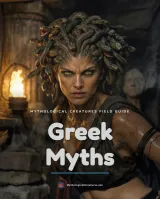
Greek Myths: A field guide to the monsters of ancient Greece
Every monster here earned its place in legend, and each gets a full page of artwork and the story behind it.
Norse Sagas: A field guide to the beasts of the Viking world
Drawn from the saga accounts themselves, with the powers, weaknesses and doom of each being set out.
the legend in five swipes.
Reach myth fans
Connect your myth-driven brand with this audience
Our readers are writers, educators, gamers, and collectors who care about mythology. Enquire about a limited sponsor placement on creature pages.
Enquire about sponsorshipQuick Creature Info
Features:
Associations:
Our Mythic Legendary Rating:

Habitat:
Supernatural Powers:
Physical Attributes:
Abilities:
Behavior:
Weaknesses:
Lore:
Related Creatures, Tales or Lore
- MMahishasura
- HHiranyakashipu
- RRavana
References
Discover Another Mythical Legend You May Not Have Heard Of?
Uncover the mysteries of ancient folklore and expand your knowledge of legendary beings from cultures around the world.
Dare to Meet the Adnei haSadeh....

The Mythological Creatures Book Series
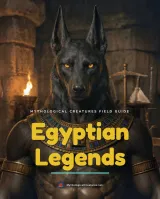
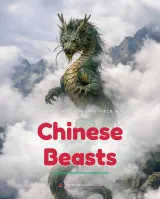
Yokai, Greek, Norse, Egyptian & Chinese. Five illustrated field guides to the creatures the old stories either warned or told you about.


Curated by the Mythological Creatures Team
Series editor: Mythological Creatures Directory
Primary desk: Asian & Pacific Myth Cycles Desk
(rev. November 2025)