
Boreads: The Boreads, comprising Zetes and Calaïs, are the winged sons of Boreas in Greek mythology.

Boreads
Boreads - They epitomise the swift, untameable nature of the wind, and their lineage underscores the blend of mortal valor and divine influence in Greek myth.
Origins & First Encounters
The Boreads are captivating figures in ancient mythology known for their extraordinary speed and dynamic association with the north wind. Their divine descent from Boreas, the formidable North wind, situates them within the rich tapestry of Greek myth, where nature and divinity intertwine. Emerging from the rugged terrains of Thrace, they embody a raw and untamed energy reflective of their environment. Both Zetes and Calaïs are celebrated not only for their swiftness but also for their essential roles in epic narratives, particularly within the Argonauts’ adventures. Their ability to command the winds and traverse great distances accentuates the Greek appreciation for the elemental forces of nature. As emissaries of Boreas, their presence serves as a bridge between the mortal and divine realms. Embedding the spirit of adventure in early lore, they have captured the imagination of communities long after the original myths were first told. The legend of the Boreads continues to evoke a sense of awe and reinforces the cultural significance of natural elements in ancient storytelling.
Source Texts & Tale Variants
Ancient texts contribute a detailed portrayal of the Boreads, prominently featuring them in the epic journey of the Argonauts. Iconic narratives such as those found in Apollonius of Rhodes’ Argonautica vividly record their swift intervention at critical junctures. Poetic accounts from the Hellenistic period often embellish their heroic exploits with imaginative details of supernatural flight and agility. Fragmentary sources further enhance their characterisation by introducing mystical attributes, including the graceful shimmer of their winged limbs. Variants of their tale appear in local Thracian lore, thus deepening the myth with regional colour and nuance. Some later literary reinterpretations even cast them as metaphors for freedom and the unpredictable power of nature. While not as prolifically detailed as major deities, their episodic appearances in classical narratives have had a lasting impression on the mythological tradition. The layering of these sources illustrates the evolving nature of myth, where different storytellers add their own distinctive touches. This multiplicity of accounts ensures that the Boreads remain a vibrant topic of conversation among enthusiasts of ancient legends.
Form & Powers
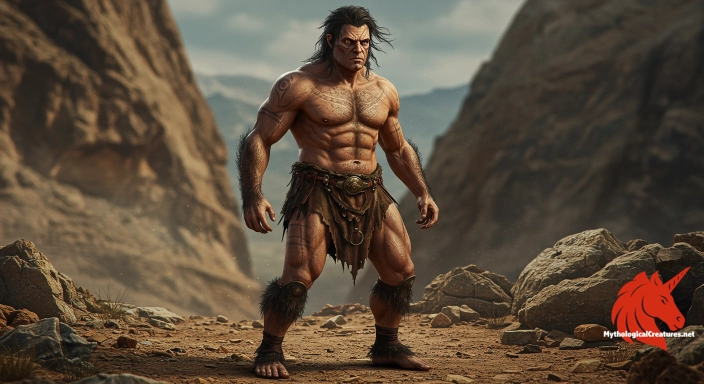
Artistic depictions of the Boreads consistently reveal them as statuesque figures endowed with sweeping, feathered wings that enable their rapid, otherworldly flight. Zetes is occasionally portrayed with a more angular countenance, while Calaïs is rendered with softer, equally compelling features that together evoke a subtle harmony. Their athletic physiques, honed by divine lineage and heroic exploits, radiate both strength and agility. The wings, often depicted in crisp, wintry hues, reflect their affiliation with Boreas and the elemental north wind. Classical sculptures and vase paintings capture them in mid-flight, with the dynamic portrayal of their figures emphasising the motion and fluidity of the breeze. Intricate details such as the delicate contour of their faces or the elaborate feather patterning highlight the aesthetic finesse of ancient artists. Their garb, sometimes hinting at regional influences from Thrace, adds a touch of rugged authenticity to their divine appearance. Variations across different artworks hint at an evolving iconography where minute differences in proportions enhance their mystique. The composite of these physical traits cements their identity as both formidable and ethereal embodiments of nature’s caprice.
Regional Faces
Local myths and regional traditions present the Boreads with a spectrum of interpretations that reflect varied cultural emphases across the ancient Greek world. In their native Thrace, they are portrayed with a special affinity to the tempestuous, wind-swept landscapes, where the very environment exalts their divine prowess. Here, they are often regarded as protectors and guides, invoked to ensure the safe passage of travellers amidst the unpredictable gales. Certain Aegean traditions highlight their volatile aspects, depicting them as fearsome harbingers of sudden storms that affect the daily lives of island communities. In the northern regions, local lore sometimes casts them in roles that interweave prophecy and fate, linking natural phenomena with divine intervention. Artistic depictions also vary, with some regions illustrating them with lighter, more ethereal wings, while others stress a robust and vigorous build. Regional rituals occasionally incorporated invocations of these wind-brethren, underscoring their profound impact on local beliefs about the weather. These adaptations illustrate how the basic myth of the Boreads was skilfully tailored to align with the distinctive environmental and cultural landscapes of different regions. The variations serve as a testament to the flexibility of myth as a living tradition, continuously shaped by local experiences.
Cultural Parallels
The myth of the Boreads resonates with similar traditions across the globe, where the personification of wind and natural forces holds a central place. Comparable entities in Norse mythology, for example, similarly encapsulate the duality of grace and ferocity inherent in the natural world. Their swift, aerial attributes echo those seen in various Native American traditions, where wind spirits are revered as agents of change. In Eastern lore, legendary beings that embody the ephemeral qualities of air also mirror the attributes of the Boreads, blending physical grace with elemental power. This cross-cultural parallel emphasises a common human impulse to animate the capricious forces of nature with divine characteristics. The comparisons extend to the realm of artistic representation, where winged figures from diverse traditions share stylistic and symbolic similarities. Such connections illustrate how different societies have historically conceptualised the wind as a potent, animate force. The shared motifs also highlight the universal nature of myth, bridging distinct cultural narratives through common themes. This confluence of ideas enriches our understanding of how the natural world is interwoven with the human experience across various traditions.
Legacy & Modern Evolution
The legacy of the Boreads has evolved dramatically over the centuries, shifting from mythic protagonists in ancient stories to powerful symbols in modern artistic and cultural expressions. Their early portrayals in classical texts laid the foundation for subsequent reinterpretations that emerged during the Renaissance, where their dynamic forms inspired numerous works of art. In contemporary literature and film, they often serve as metaphors for the unbridled force of nature and the ceaseless momentum of change. Modern adaptations tend to explore the duality of their character, juxtaposing the beauty of flight with the inherent unpredictability of the wind. Their motif has found a renewed presence in fantasy narratives, where characters modelled after the Boreads frequently embody the struggle between order and chaos. This enduring appeal is further reflected in scholarly analyses that examine the symbolism of elemental deities in the context of environmental awareness. The transformation of their image over time speaks to the flexibility and enduring relevance of ancient myths in modern discourse. By continuously reimagining the Boreads, contemporary culture maintains a tangible connection to the mythological past while addressing current global concerns. Their story, ever adaptable, continues to serve as an inspiring reminder of humanity’s perpetual fascination with the forces of nature.
Interesting Fact
Interestingly, the Boreads' swift flight and winged imagery have inspired numerous artistic depictions, symbolising the ephemeral yet powerful force of the north wind in ancient Greek culture.
Partner with us
Sponsor this space
Reach thousands of mythology enthusiasts with a curated placement on our creature pages.
Learn about sponsorshipQuick Creature Info
Origin:
Associations:
Our Mythic Legendary Rating:

Also Sometimes Known As:
Habitat:
Supernatural Powers:
Physical Attributes:
Abilities:
Behavior:
Lore:
References
Discover Another Mythical Legend You May Not Have Heard Of?
Uncover the mysteries of ancient folklore and expand your knowledge of legendary beings from cultures around the world.
Dare to Meet the Gargareans....
Curated by the Mythological Creatures Team
Series editor: Mythological Creatures Directory
Primary desk: Hellenic & Ancient Mediterranean Desk
(rev. November 2025)