
Brân the Blessed: Brân the Blessed, also known as Bendigeidfran, is a giant king of Britain in Welsh mythology.
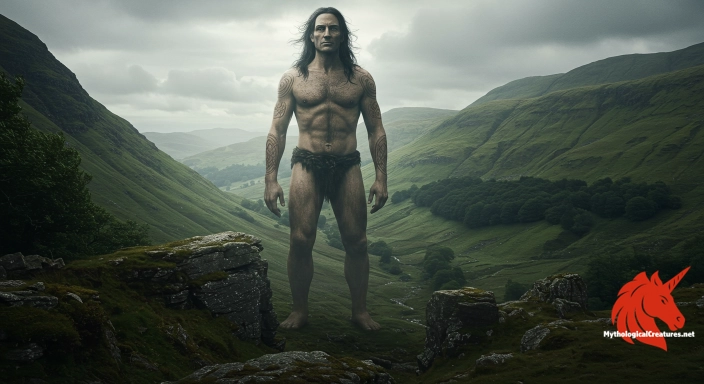
Brân the Blessed
Brân the Blessed - Brân the Blessed is celebrated for his leadership, tragic fate, and the continuing legacy of his prophetic head which symbolizes enduring wisdom.
the legend in five swipes.
the legend in five swipes.
The Beginnings of Brân the Blessed
Brân the Blessed stands as one of the most formidable figures in Welsh mythology, his legacy woven into the fabric of ancient British lore. Born of divine ancestry as the son of Llŷr and Penarddun, he emerges early in tradition as a colossal figure of both physical and spiritual might. His first significant attestation surfaces in the Welsh Triads and the Second Branch of the Mabinogi, where his deeds and burdens are recounted with rich symbolism. A giant and sovereign, his presence encapsulates the duality of wonder and dread, resonating deeply within a culture attuned to the mysteries of nature and the supernatural. The very name Brân, meaning crow or raven, imbues him with an aura of omens and mystic portents that elevate his mythic status. Over time his story has become a touchstone for themes of sacrifice, kingship, and the inexorable destiny that governs both gods and mortals alike. His narrative is threaded with elements of both triumph and tragedy, reflecting the cyclical nature of fortune in ancient lore. The enchanting blend of his regal bearing and enigmatic qualities situates him as a pivotal character whose myth continues to inspire and challenge modern perceptions of heroism. Rooted in a landscape of timeless legends, his tale remains both a product and a reflection of the enduring spirit of ancient Britain.
What do the old texts say about Brân the Blessed?
The primary sources that recount the life of Brân the Blessed stretch back to medieval Welsh literature, where his exploits are chronicled with vivid imagination and profound allegory. His most prominent role is found in the Second Branch of the Mabinogi, a narrative that intertwines familial duty with the inexorable pull of fate. The Welsh Triads further elevate his character, interlacing his deeds with those of other legendary figures, thus enriching the mythic tapestry of the region. In these texts, his story is presented in layers of oral tradition that have been meticulously preserved and passed down over generations. Beyond the canon of written records, local folklore and poetic recitations have contributed additional nuances to his legend, each variant reflecting distinct cultural inflections. Some manuscripts offer alternative sequences of events, highlighting themes of betrayal, sacrifice, and supernatural intervention. These sources collectively underscore the complexity of Brân’s character, who is both celebrated as a benevolent ruler and feared as a portent of doom. The diverse literary presentations suggest that his myth was subject to continual reinterpretation, adapting to the changing spiritual and social landscapes of Wales. This rich intertextuality makes his narrative a fascinating subject for ongoing scholarly and creative exploration.
Brân the Blessed: Powers, Strengths and Vulnerabilities
Descriptions of Brân the Blessed often emphasise a towering, almost otherworldly physicality that mirrors his legendary status. He is portrayed as a giant whose massive form dominates the landscape, his presence marked by an imposing and robust silhouette. The imagery of his visage is frequently intertwined with that of the crow, with sharp, penetrating eyes and dark, flowing hair that evoke the mystery of a raven’s plumage. His features are rendered with a regal intensity, suggesting both nobility and the raw power of nature. Artistic depictions sometimes accentuate his muscular build and broad shoulders, lending him an aura of indomitable strength. The garments and regalia associated with his image are richly adorned, featuring intricate Celtic patterns that speak to an ancient, storied tradition. In some accounts, hints of an ethereal glow or spectral quality surround him, reinforcing the notion that he transcends the mere mortal plane. Variations in his physical depiction reflect the interplay between literal descriptions and symbolic representation, merging human form with animalistic power. Overall, his bodily portrayal is a testament to the seamless union of form and myth, where every curve and contour embodies the deep-seated forces of destiny and divinity.
Brân the Blessed: Local Variations in the Story
Within Wales, Brân the Blessed is celebrated as a legendary monarch whose myth resonates deeply with the cultural ethos of the region. His narrative, rich in supernatural overtones, reflects the intricate tapestry of local beliefs and the natural landscape that has inspired countless generations. Across different parts of Britain and the Celtic fringe, his story has undergone regional adaptations that tailor the core elements of his myth to local traditions and historical contexts. In some areas, he is portrayed primarily as a protector whose strength and wisdom secure the safety of his people, while in others the darker elements of his myth, such as fate and cyclical retribution, are emphasised. These variations not only highlight regional sensibilities but also underscore the fluid boundaries between myth and local history. The recurring motif of his association with the crow or raven is a constant, serving as a unifying emblem despite local divergences. In neighbouring Celtic cultures, echoes of his legend have been absorbed and reinterpreted, reinforcing the interconnectedness of Celtic mythologies. This regional diversity has allowed his character to remain relevant, with each locality contributing its own layer to the evolving tradition. Ultimately, his myth serves as a cultural beacon, illuminating the shared heritage and dynamic storytelling traditions across the Celtic world.
The Global Cousins of Brân the Blessed
When compared with other mythological figures, Brân the Blessed presents a fascinating study in the convergence of legend and symbolism. His crow-inspired epithet invites a natural comparison with deities such as Odin, whose own associations with ravens underscore themes of wisdom and prophetic insight. Much like the titanic heroes of other cultural narratives, his story is imbued with the elements of sacrifice and transformation that are common to epic mythologies. The dual nature of his character—embodying both benevolence and the foreboding power of destiny—mirrors traits found in other divine monarchs from legends around the world. In certain respects, his myth echoes those of giants and titans across various traditions, where physical enormity is matched only by metaphorical significance. The motif of enduring power through the symbolism of severed or preserved body parts is also a recurring element in comparative myths, adding an additional layer of intrigue to his story. His narrative, replete with both luminous and shadowy elements, has spurred cross-cultural analyses that highlight universal themes of kingship, human frailty, and the inevitable interplay between mortal lives and cosmic forces. Despite distinct cultural frameworks, the basic contours of his myth resonate with the global archetype of the tragic yet revered hero. This interconnectedness underscores a broader mythic language shared across civilizations, where similar symbols evoke parallel reflections on the nature of power and destiny.
What happened to the legend of Brân the Blessed?
Over the centuries, the legend of Brân the Blessed has evolved from ancient myth into a symbol of enduring cultural identity and mystical grandeur. His myth, once confined to the oral and literary traditions of medieval Wales, now permeates a wide array of artistic expressions and modern reinterpretations. The enduring power of his story is reflected in its continual presence in literature, art, and even contemporary popular culture, where themes of sacrifice, fate, and regal authority continue to resonate. Modern adaptations often reimagine him as a complex character whose strengths and vulnerabilities mirror the eternal human struggle with destiny. His crow-like associations have lent him an enigmatic quality that inspires films, novels, and visual artworks, ensuring that his myth remains as potent today as it was in antiquity. The transformation of his character over time—shifting from the embodiments of raw power to nuanced symbols of nature and spirituality—demonstrates the fluidity inherent in myth. Contemporary creators draw on his imagery to evoke the mystery of ancient Celtic lore, weaving his legendary narrative into modern storytelling. His myth also serves as a cultural touchstone that connects the present with the past, celebrating the rich tapestry of Welsh heritage. In this way, Brân the Blessed continues to be a source of inspiration and reflection, embodying the timeless allure of myth and the perpetual quest for meaning in the face of fate.
Interesting Fact
An intriguing aspect of his myth is that even after death, his severed head was said to continue speaking and offering counsel, symbolizing the persistence of wisdom beyond mortal bounds.
Mythological Treasures
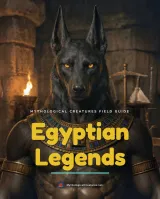
Egyptian Legends: A field guide to the gods and monsters of ancient Egypt
Guardians of the living and devourers of the dead, with the role each played in judgement.
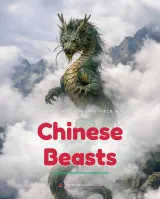
Chinese Beasts: A field guide to the dragons and demon kings of Chinese myth
From river dragons to demon kings, with the legends that shaped five thousand years of storytelling.
Japanese Yokai: A field guide to the spirits and demons of Japanese folklore
Fifteen spirits, with the signs to watch for and what the old tales say to do if you meet one.
the legend in five swipes.
Partner with Mythological Creatures
Bring your myth-based world into ours
From game settings to narrative worlds, we work with partners who treat myths with care. Share your project for a potential sponsor slot.
Partner with usQuick Creature Info
Features:
Associations:
Our Mythic Legendary Rating:

Also Sometimes Known As:
Habitat:
Supernatural Powers:
Physical Attributes:
Abilities:
Behavior:
Lore:
Related Creatures, Tales or Lore
- GGogmagog
- YYsbaddaden
- FFomorians
References
Discover Another Mythical Legend You May Not Have Heard Of?
Uncover the mysteries of ancient folklore and expand your knowledge of legendary beings from cultures around the world.
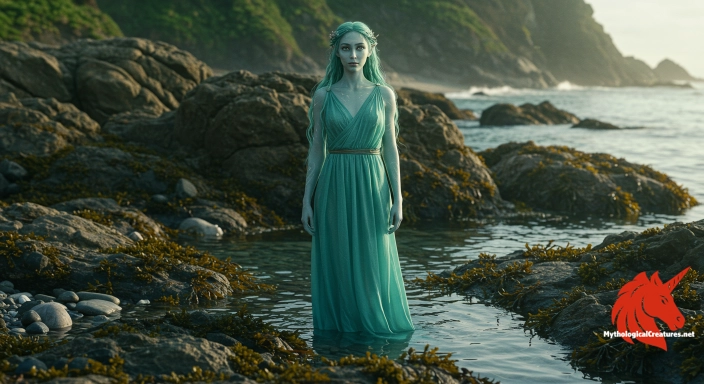
Dare to Meet the Pasithoe....
The Mythological Creatures Book Series
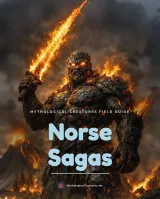
Yokai, Greek, Norse, Egyptian & Chinese. Five illustrated field guides to the creatures the old stories either warned or told you about.
Curated by the Mythological Creatures Team
Series editor: Mythological Creatures Directory
Primary desk: Northern & European Folklore Desk
(rev. November 2025)