
Buggane: The buggane is a massive, ogre-like creature from Manx folklore renowned for its terrifying presence and immense physical strength.
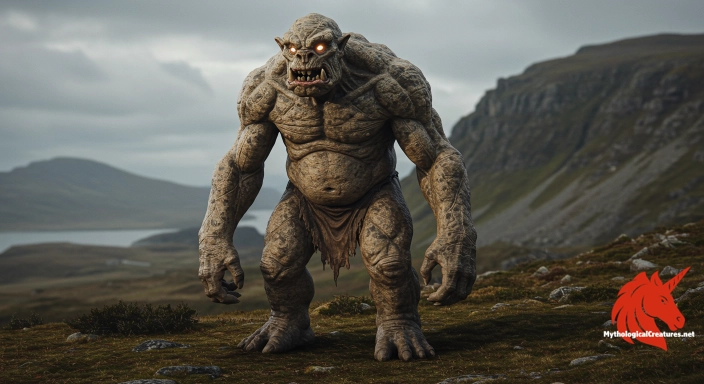
Buggane
Buggane - A legendary, fearsome entity that embodies the wild, untamed forces of nature in Manx mythology.
the legend in five swipes.
the legend in five swipes.
The First Records of the Buggane
The buggane is a storied entity in Manx folklore, a character whose origins are as enigmatic as the mists that shroud the Isle of Man. It is widely believed to have emerged from the oral traditions of the island, where the isolation of Manx life nurtured legends of fantastical beings. Its first mentions are woven into the fabric of local storytelling, capturing the imagination of a community so steeped in natural mystique. The creature is depicted as a huge, ogre-like figure that embodies both the ferocity of the natural world and the perils lurking beyond civilisation. The buggane is often seen as a spectral reminder of the wild forces that govern the rugged landscape of the island. Its existence is intertwined with the cultural identity of the Manx people, symbolising the unpredictable blend of beauty and brutality found in nature. Accounts speak of encounters on misty roads and abandoned farmsteads, creating an aura of dread and fascination. The creature’s myth reflects societal tensions between the encroaching modern world and the raw, untamed past of the Isle of Man. Over time, its narrative has been enriched with layers of symbolic meaning, rendering it a timeless emblem of local heritage. The enduring legend of the buggane continues to evoke both fear and respect, bridging ancient superstitions with contemporary cultural identity.
Where is the Buggane written about?
Stories of the buggane have been preserved through a rich oral tradition that spans centuries, with many accounts passed down by word of mouth among island communities. Written references are few and fragmentary, emerging sporadically in antiquarian compilations and local folklore collections. Tales have been recounted in rustic ballads and narrative poems, each version slightly altering the creature’s role in the mythic landscape of the Isle of Man. Some narratives present the buggane as a harbinger of doom, while others hint at a more complex, even tragic, character. Variants of the tale sometimes portray it as a solitary guardian of desolate locations, a creature simultaneously feared and revered. The evolution of the story can be traced through manuscripts that capture regional dialects and subtle shifts in portrayal over time. Oral storytellers embellish their accounts with dramatic encounters that underline the creature’s terrifying presence. Differences in narrative detail suggest that local colour and personal experience have both played a role in shaping its image. The diverse array of stories underscores the importance of the buggane in Manx cultural memory. Through these varied sources, the creature has maintained a compelling presence in the folklore of the island.
Buggane: Appearance and Abilities
Descriptions of the buggane often evoke an image of immense stature and rugged, almost bestial, features. It is commonly depicted as a towering figure with an imposing, muscular build that hints at inhuman strength. Many accounts highlight its wild, unkempt hair and a face marked by a mixture of raw ferocity and ancient sorrow. Legends describe its skin as weather-beaten and scarred, suggesting encounters with both the elements and violent confrontations. The creature is sometimes portrayed with unusual features, such as horns or distorted facial contours, which enhance its monstrous appearance. Its limbs are described as thick and powerful, capable of delivering devastating blows, yet they may also convey an air of tragic inevitability. Some narratives emphasise that its eyes burn with an uncanny light, a window into a tortured soul shaped by centuries of isolation. Visual portrayals often incorporate tattered garments or remnants of archaic attire, linking the being to a long-forgotten era. Despite its physically intimidating aspect, there are hints of a melancholic dignity embedded in its form. The detailed physical representations serve not only to terrify but also to symbolise the primal forces of nature from which the creature is born.
Buggane: Regional Differences in the Legend
The buggane’s portrayal varies markedly across different areas of the Isle of Man, each version reflecting the nuances of local culture and geography. In some remote coastal villages, the creature is said to haunt fog-laden moorlands, emerging from the sea mist to warn against the dangers of isolation. Inland versions position it as a solitary figure roaming ancient, overgrown pathways or abandoned homesteads. These regional adaptations lend the buggane an almost chameleon-like presence, capable of embodying the particular fears of diverse communities. The creature’s attributes often shift subtly from one locale to another, influenced by neighbouring myths and the distinct landscapes they inhabit. In parts of the island, the buggane is portrayed as a vindictive spirit of ancient wrongs, while in others it assumes the role of a misunderstood guardian of natural sanctuaries. Its dual identity as both a potential menace and a protector reveals the adaptability of its myth to various regional narratives. The interplay between local tradition and the broader themes of isolation and wildness is evident in these variations. Regional storytellers often embellish its features with local colour, ensuring that its legend remains a living part of community folklore. The myriad adaptations underscore the buggane’s enduring relevance and its unique position within Manx cultural history.
Buggane: Parallels in Other Cultures
The buggane shares many striking similarities with monstrous figures found in other European mythologies, the most notable being the Scandinavian troll. Both are depicted as large, intimidating beings with a deep association with the wild and uncharted regions of their respective homelands. Like its Nordic counterparts, the buggane is often cast as a guardian of nature’s untamed realms, serving as a living counterpoint to human civilisation. Its role as an ominous presence in the landscape echoes the narrative functions of ogres and giants found in medieval folklore across the continent. Across cultures, such creatures are frequently used to personify the uncertainty and peril of the natural world. There is a shared symbolic thread where these beings represent the clash between the elements of civilisation and the harsh realities of the environment. Additionally, both the buggane and its counterparts exhibit qualities that blur the lines between malice and melancholy, hinting at a deeper, sometimes tragic, dimension to their character. Comparative studies reveal that while each tradition adapts its monstrous figures to local contexts, the core archetypes remain remarkably consistent. The cross-cultural dialogue between these legends enriches our understanding of how folklore has been used to navigate human fears of the unknown. In essence, the buggane sits comfortably within a pan-European tradition of depicting nature’s untamed spirit as a formidable, enduring presence.
Buggane: From Folklore to Pop Culture
The evolution of the buggane myth reflects broader shifts in societal attitudes towards the supernatural and the natural world. In earlier times, it was embraced as a tangible threat, a monster whose terrifying presence underscored the mysteries of the wilderness. Over the centuries, however, its image has gradually softened, allowing for interpretations that explore the creature’s more nuanced and even sympathetic dimensions. Tales that were once intended solely to strike fear now offer a glimpse into a tragic narrative of isolation and misunderstood power. The buggane has transcended its original role as a harbinger of chaos, entering the realms of modern art, literature, and popular culture. Contemporary reimaginings often cast it in a light that balances menace with a melancholic wisdom, inviting audiences to question the boundaries between monster and martyr. Artistic endeavours, from novels to graphic interpretations, continue to draw upon its rich symbolism as a bridge between the primitive and the modern. Modern festivals and cultural celebrations on the Isle of Man often include references to the buggane, ensuring that the legend remains firmly rooted in both local tradition and the modern imagination. Its legacy serves as a reminder of the evolving nature of myth, where fear, fascination, and empathy converge. Today, the buggane endures as a versatile symbol of cultural heritage, embodying the complex interplay of history, legend, and identity.
Interesting Fact
The buggane is often cited in folklore as a solitary, fearsome being, and its comparison to Scandinavian trolls underscores the shared mythological themes across different cultures.
Mythological Treasures
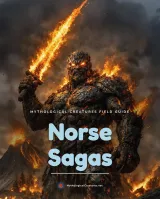
Norse Sagas: A field guide to the beasts of the Viking world
Drawn from the saga accounts themselves, with the powers, weaknesses and doom of each being set out.
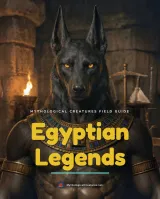
Egyptian Legends: A field guide to the gods and monsters of ancient Egypt
Guardians of the living and devourers of the dead, with the role each played in judgement.
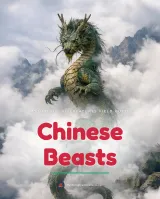
Chinese Beasts: A field guide to the dragons and demon kings of Chinese myth
From river dragons to demon kings, with the legends that shaped five thousand years of storytelling.
the legend in five swipes.
For serious myth projects
Feature your work alongside the legends
From academic works to story-rich games, we highlight projects that respect world mythologies. Talk to us about a measured, long-term placement.
Start a conversationQuick Creature Info
Features:
Our Mythic Legendary Rating:

Also Sometimes Known As:
Habitat:
Supernatural Powers:
Physical Attributes:
Abilities:
Behavior:
Lore:
Related Creatures, Tales or Lore
- SScandinavian Troll
- OOgre
- FFomorian
References
Discover Another Mythical Legend You May Not Have Heard Of?
Uncover the mysteries of ancient folklore and expand your knowledge of legendary beings from cultures around the world.
Dare to Meet the Stricha....
The Mythological Creatures Book Series
Yōkai, Greek, Norse, Egyptian & Chinese. Five illustrated field guides to the creatures the old stories either warned or told you about.
Curated by the Mythological Creatures Team
Series editor: Mythological Creatures Directory
Primary desk: Northern & European Folklore Desk
(rev. November 2025)