
Cacodemon: The cacodemon is a malevolent spirit or demon with the ability to shapeshift, originating from ancient Greek terminology.
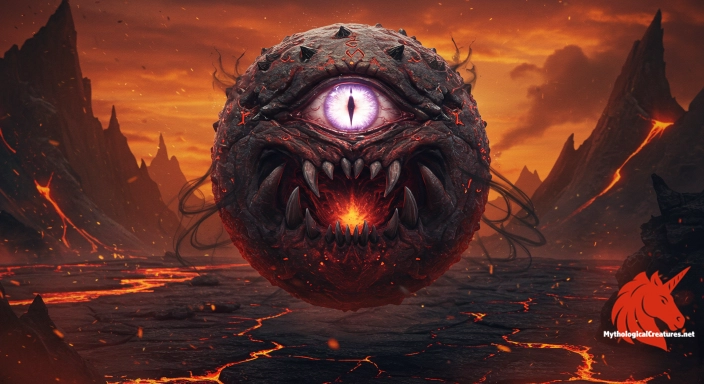
Cacodemon
Cacodemon - Represents the embodiment of evil and serves as a foil to benevolent spirits like the agathodaemon, highlighting the duality in cultural interpretations of morality.
the legend in five swipes.
the legend in five swipes.
The Origin Story of the Cacodemon
The cacodemon is a storied malevolent spirit with roots deep in ancient myth, emerging as a counterbalance to the benevolent agathodaemon or eudaemon. Its name derives from the Greek term kakodaimon, originally used to describe any spirit with ill intent, though over time it evolved into a symbol of sheer malevolence. First attested in documents dating back to 1593, this entity has long occupied a liminal space between myth and moral allegory. Its early associations in Greek thought, where daimons were seen as neutral forces, have given way to interpretations that emphasise its corrupt and ominous nature. Historically, the cacodemon has symbolised the constant presence of chaotic evil, serving as a warning against both external and internal corruption. The entity is frequently linked with the idea of shapeshifting, an ability that underscores its unpredictable and ever-changing guise. Over centuries, its depiction has been influenced by evolving cultural, religious, and philosophical thought, making it both a character in grim demonology and an emblem of inner strife. This enduring figure continues to capture imaginations by embodying the timeless struggle between light and darkness, making its mark on both ancient texts and modern interpretations. Its transformation from a neutral spiritual force to a definitive harbinger of doom reflects broader societal shifts in understanding the nature of evil. The cacodemon remains a fascinating subject that bridges the realms of myth, folklore, and psychological metaphor.
Cacodemon: Manuscripts, Texts and Variants
Ancient texts and early modern manuscripts provide the foundational sources for understanding the cacodemon, with some of the first known references appearing in Latin documents from the late 16th century. Detailed demonological treatises and grimoires of the Renaissance period offer rich, albeit sometimes fragmented, descriptions of this malevolent spirit. Illustrations in works such as Ulisse Aldrovandi’s Monstrum Historia capture the cacodemon as a noise-making devil, imbuing it with both visual menace and narrative depth. Folklore accounts passed down through generations add additional layers, presenting varied transformations of its role and appearance. In some writings, the cacodemon is portrayed not just as a supernatural force but as an embodiment of personal and communal malice. Its depiction in astrological texts, notably within references to the notorious twelfth house, highlights its integration into wider cosmological systems. Occult manuscripts from different eras have preserved aspects of its shapeshifting abilities, further enriching its mythological profile. Although the available sources may seem disparate, they collectively illustrate the evolving image of the cacodemon as one of darkness and dissent. These documents, spanning both scholarly and popular traditions, offer a multifaceted glimpse into the creature’s enduring legacy. The variety of sources underscores the cacodemon’s complex role in the intersection of myth, medicine, and mental health, as seen in discussions of cacodemonia.
How would you recognise the Cacodemon?
Traditional portrayals of the cacodemon depict a creature of unsettling variance, often both amorphous and fluid in appearance. Many artistic renditions present it as a shadow-like, shifting mass with no fixed form, making its physicality as elusive as its malevolence. Some descriptions mention features such as pulsating eyes, ambiguous limbs, and a vaguely humanoid silhouette that warp and change at will. In certain narratives, it is depicted with horns and elongated extremities that lend it an almost bestial quality, enhancing its fearsome presence. Its surface is often imagined as a turbulent mosaic of shadows and mists, suggesting a body that is simultaneously tangible and ethereal. The cacodemon’s ability to morph into varied shapes contributes to legends of its omnipresence and insidious influence. Variants in size and proportion are noted across sources, from a diminutive, darting spectre to an expansive, oppressive force. Intricate visual details, such as sharply angular features and a gaze that seems to pierce through the veil of reality, are common in older iconography. Each artistic interpretation underscores its role as an ambassador of chaos, where physical distortion mirrors moral corruption. In all its depictions, the creature’s mutable form serves as a compelling metaphor for the ever-changing nature of evil.
How does the Cacodemon legend change from place to place?
The cacodemon’s depiction varies notably across different cultural and regional contexts, reflecting local interpretations of malevolent spirits. In its Greek origins, the concept of the kakodaimon was more nuanced, before later European texts recast it in a decidedly sinister light. Mediterranean traditions often portray the cacodemon as closely tied to notions of impending misfortune and moral decay. Northern and Eastern European folklore have, in some cases, merged its characteristics with other regional demons, resulting in distinct local variants that carry unique aesthetic and functional attributes. In some areas, the spirit is visualised as an impish, ever-watchful presence that haunts the liminal spaces between night and day. Rural legends sometimes attribute natural phenomena or unexplained misfortunes to its influence, reinforcing its status as an embodiment of chaos. Modern reinterpretations in both American and British popular culture have infused the cacodemon with new stylistic nuances, while still retaining its core association with malevolence. Variations in artistic depiction—ranging from traditional engravings to digital renderings—underscore the adaptability of its image. Every regional adaptation weaves local beliefs and historical contexts into its myth, creating a tapestry of stories that emphasise the creature's timeless and border-transcending nature. This geographical diversity amplifies the cacodemon’s role as both a culturally specific folklore figure and a universal symbol of dark irrationality.
What parallels exist to the Cacodemon in other traditions?
The cacodemon occupies a unique niche within the broader spectrum of malevolent entities featured in world mythologies, where it is frequently compared to similar spirit beings with dualistic natures. Its relationship to the agathodaemon, the personification of good, accentuates a fundamental mythological dichotomy found in many cultures. Much like the ambiguous trickster figures of Japanese yokai or the capricious jinn of Islamic lore, the cacodemon is notable for its capacity to shift forms and defy conventional categorisation. This dynamism sets it apart from more rigid depictions of demonic beings in Western tradition, as it symbolises an ever-changing blend of chaos and order. Comparative studies reveal that while some cultures portray demons as embodiments of unyielding evil, the cacodemon’s variable nature points to more complex interpretations of malevolence. Similar themes are evident in Hindu mythology, where asuras embody both creative and destructive energies. The parallel between internal personal demons and this mythological figure further enriches its legacy, resonating with modern psychological metaphors. Cross-cultural comparisons thus highlight shared human experiences in defining and confronting the nature of evil. In this light, the cacodemon becomes not only a stand-alone mythic figure but also a mirror reflecting the intricacies of moral dualism. Ultimately, its multifaceted identity bridges ancient lore with contemporary understandings of spirituality and inner turmoil.
Why does the Cacodemon still matter?
The historical evolution of the cacodemon reflects a fascinating journey from classical myth to modern cultural iconography. Early depictions, which once presented it as a straightforward embodiment of evil, have gradually given way to interpretations that view the creature as a complex symbol of internal corruption and external malevolence. Over the centuries, its image has been reshaped by religious, philosophical, and even astrological influences, with its connection to the ill-fated twelfth house underscoring its ominous reputation. As demonological texts advanced into more elaborate grimoires, the cacodemon’s shapeshifting nature became a central facet of its character, symbolising the unpredictable nature of dark forces. This evolution parallels shifts in psychological thought, where the term cacodemonia emerged to describe an inner sense of possession or overwhelming negativity. In contemporary times, the creature has enjoyed a resurgence in popular culture, appearing in video games, graphic novels, and films as a vivid representation of chaos and danger. Modern reinterpretations often blend the old world’s mysticism with new media aesthetics, ensuring the cacodemon remains relevant in a digital age. Its continuous reinvention in a wide range of artistic forms highlights the enduring human fascination with the concept of evil. The cacodemon thus serves as a cultural bridge connecting ancient superstitions with modern anxieties. As both a historical and psychological archetype, it maintains a significant legacy that invites ongoing reflection on the nature of darkness in human experience.
Interesting Fact
An interesting observation is that the cacodemon not only embodies a mythological demon but also reflects modern interpretations of inner darkness, as seen in its association with psychological conditions and astrological symbolism.
Mythological Treasures
Greek Myths: A field guide to the monsters of ancient Greece
Every monster here earned its place in legend, and each gets a full page of artwork and the story behind it.
Egyptian Legends: A field guide to the gods and monsters of ancient Egypt
Guardians of the living and devourers of the dead, with the role each played in judgement.
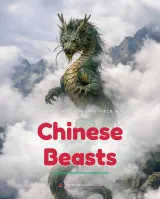
Chinese Beasts: A field guide to the dragons and demon kings of Chinese myth
From river dragons to demon kings, with the legends that shaped five thousand years of storytelling.
the legend in five swipes.
For serious mythcraft
Your project belongs among the legends
If your work deepens how people understand, play with, or teach mythology, a sponsor placement here keeps it in front of the right readers all year.
Submit a sponsorship enquiryQuick Creature Info
Origin:
Our Mythic Legendary Rating:

Also Sometimes Known As:
Supernatural Powers:
Abilities:
Behavior:
Lore:
References
Discover Another Mythical Legend You May Not Have Heard Of?
Uncover the mysteries of ancient folklore and expand your knowledge of legendary beings from cultures around the world.
Dare to Meet the Pelorus....
-1c813fa5-52d8-4630-a689-2c2e51117814_small.webp "Depiction of Pelorus")
The Mythological Creatures Book Series
Yokai, Greek, Norse, Egyptian & Chinese. Five illustrated field guides to the creatures the old stories either warned or told you about.

Curated by the Mythological Creatures Team
Series editor: Mythological Creatures Directory
Primary desk: Hellenic & Ancient Mediterranean Desk
(rev. November 2025)