
Pelorus: Pelorus, also known as Peloreus, is one of the Giants in Greek mythology.
-1c813fa5-52d8-4630-a689-2c2e51117814_small.webp "Pelorus - Represents the primordial chaotic forces challenging divine order.")
Pelorus
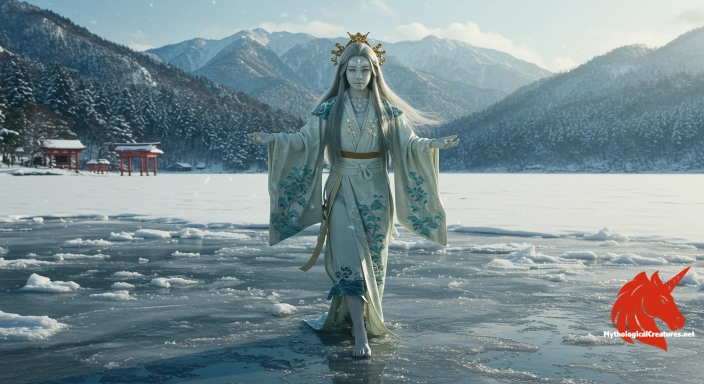
Pelorus - Represents the primordial chaotic forces challenging divine order.
The Beginnings of Pelorus
Pelorus emerges as a captivating figure in the tapestry of Greek mythology, marked by his identity as one of the Giants and known alternatively as Peloreus.
His origins are intertwined with the ancient cosmic battles that pitted primordial forces against the Olympian order, placing him at the heart of mythic struggles that defined the early universe.
Though references to him are succinct, his presence is woven into the broader narrative of the Gigantomachy, where legendary combatants challenged divine supremacy.
He is often portrayed as an embodiment of nature’s untamed energy and a symbol of rebellion against the structured order of the gods.
Contemporary interpretations suggest his myth may have served as a metaphor for the chaotic yet creative aspects of the natural world.
The scant early attestations have inspired later retellings that explore his connection to Gaia and the elemental forces of the earth.
In this way, Pelorus invites reflection on themes of power, defiance, and the precarious balance between order and chaos.
His enduring myth serves as a reminder of the ancient fascination with the forces that lie beyond human control.
Overall, Pelorus stands as an enigmatic figure whose sparse original mentions have blossomed into a symbol of both rebellion and natural might in later cultural narratives.
Which versions of the Pelorus story survive?
Ancient literary fragments and cosmogonic traditions provide the primary sources for understanding Pelorus, even though detailed narratives about him are limited.
Scholars have pieced together his role from brief allusions found in texts that also catalogue other Giants, such as those in early epic cycles and later compilations like the Bibliotheca.
Some remnants of the lost poetic traditions hint at his involvement in the epic battles against the Olympians, though his exploits were not elaborated upon in surviving works.
His name appears with variant spellings in later scholastic discussions, highlighting the fluid nature of oral and literary transmission in ancient times.
Certain accounts suggest a genealogy that ties him directly to the earth deity Gaia, linking him to the very source of primal power in these myths.
Other narrative strands, preserved in local legends and regional inscriptions, offer a glimpse of how his myth was reshaped to reflect local concerns and natural phenomena.
This multiplicity of sources and story variants underscores the diversity of ancient myth-making, where characters like Pelorus could assume different roles and attributes depending on the storyteller.
While the major epic narratives focused on more central figures, the subtle references to Pelorus have provided a fertile ground for later mythological interpretation and scholarly debate.
Thus, his myth persists as a composite of fragmented sources that together illuminate the dynamic nature of mythic tradition.
The Described Form of Pelorus
Artistic and literary depictions of Pelorus suggest a being of extraordinary physical presence, characterised by immense size and formidable strength.
He is often imagined with rugged, imposing features that betray his connection to the wild, untamed forces of nature.
Descriptions frequently evoke the image of a giant with a broad, muscular build, his form exuding raw power and an otherworldly resilience.
His countenance is sometimes rendered with fierce, luminous eyes that seem to capture the fiery spirit of his defiant lineage.
Ancient vase paintings and later artistic impressions lend him an almost elemental aura, with twists of his form echoing the turbulent energy of earthquakes and storms.
His hair and beard are typically depicted as wild and unkempt, further underscoring his fierce departure from the ordered appearance of divine beings.
Some artistic renditions even suggest that his skin bears a texture reminiscent of weathered stone, symbolising an intrinsic connection to the earth.
This blend of the monstrous and the majestic in his physical description encapsulates the tension between chaos and beauty that characterises many Greek myths.
In essence, Pelorus’s visage is designed to evoke both admiration and a respectful fear of nature’s might.
Where was Pelorus best known?
The myth of Pelorus evolved differently across regions in the ancient Greek world, with local traditions imbuing him with characteristics that resonated with specific cultural landscapes.
In the rugged terrains of Arcadia, for example, his image merged with natural landmarks, suggesting an intrinsic link between his myth and the untamed wilderness.
Some Aegean island communities perceived him as a guardian of remote, forbidding landscapes, a symbol of the raw and unpredictable forces residing in their environment.
Regional tales sometimes accentuated his association with seismic or volcanic events, framing him as an embodiment of the earth’s violent outbursts.
In these areas, his narrative was intertwined with local rituals and folklore, which celebrated both his destructive power and his role as a catalyst for renewal.
Variations in his depiction are evident in the way his rebellious nature was adapted to reflect local mythic themes about humanity’s relationship with the natural world.
He was sometimes conflated with other local deities or spirits, mirroring the widespread ancient practice of blending mythic characters with natural phenomena.
Such regional adaptations enriched his legend, adding layers of local colour and nuance that extended beyond the canonical Greek texts.
This regional diversity highlights the flexibility of myth as it travels through different communities, allowing Pelorus’s essence to be reinterpreted in harmony with local experiences of nature and divinity.
Pelorus: Counterparts Around the World
Pelorus occupies a unique position among mythological giants, sharing thematic elements with comparable beings across various cultures.
His portrayal as a colossal, defiant force finds parallels in the Norse Jotunn, whose raw power and chaotic influence similarly challenge divine authority.
Much like the Titans of Greek lore, Pelorus represents primordial forces that, while formidable, serve to underscore the eventual triumph of order as embodied by the Olympian gods.
He also evokes imagery akin to the giants in Celtic folklore, where nature and rebellion are frequently explored through figures of immense stature and willpower.
This cross-cultural similarity points to a broad archetype: monumental beings that personify the struggle between uncontrollable natural forces and the structured cosmos.
In many traditions, such giants are depicted as both destroyers and benefactors, highlighting the duality of nature itself.
The expansive and often ambiguous nature of Pelorus’s myth invites comparisons with other ambiguous mythic figures who embody both threat and inspiration.
In doing so, his story contributes to a larger dialogue about the universal themes of chaos, order, and the cyclical patterns of creation and destruction.
By drawing on these cultural parallels, one can appreciate the manner in which societies across time have grappled with the idea of overpowering, elemental forces.
Why is Pelorus still popular?
The representation of Pelorus has undergone significant evolution from his early mythic mentions to his reimagining in modern artistic expressions.
In antiquity, he was a barely sketched figure within the grand narrative of the Gigantomachy, yet his subtle role left ample room for reinterpretation in later mythological discourse.
During the Renaissance, artists and writers began to explore such enigmatic figures with renewed vigour, casting them as symbols of nature's indomitable force.
The Romantic period further transformed his image, celebrating his defiant spirit as a metaphor for the sublime and untamable aspects of the natural world.
In contemporary media, reworked depictions have emerged in literature, film, and video games, where Pelorus is often portrayed as a towering adversary or a misunderstood guardian of ancient power.
This modern revival reflects a broader cultural trend towards rediscovering and reappropriating classical myths to address current existential and ecological concerns.
The shift in his portrayal from a peripheral mythic character to a symbol of resistance and natural majesty mirrors the evolving dialogue between humanity and the environment.
Scholars and enthusiasts alike continue to debate the nuances of his story, drawing parallels between ancient cosmic battles and modern struggles for balance in the natural world.
Through such reinterpretations, Pelorus’s legacy has come to signify the enduring human fascination with the forces that challenge order and provoke transformation.
Ultimately, his myth serves as a bridge across time, reaffirming the timeless appeal of narratives in which raw power and defiance clash with divine order.
Interesting Fact
Pelorus is one of the lesser-known giants, yet his dual identity (Pelorus/Peloreus) highlights the rich tapestry of variant traditions within Greek mythology.
For publishers and studios
Your next readers are already here
Many of our visitors are looking for books, campaigns, and resources that deepen their journey into myth. Position your title or setting here.
Discuss a placementQuick Creature Info
Origin:
Features:
Associations:
Our Mythic Legendary Rating:

Also Sometimes Known As:
Habitat:
Supernatural Powers:
Physical Attributes:
Abilities:
Behavior:
Weaknesses:
Lore:
Related Creatures, Tales or Lore
References
Discover Another Mythical Legend You May Not Have Heard Of?
Uncover the mysteries of ancient folklore and expand your knowledge of legendary beings from cultures around the world.
Dare to Meet the Yasakatome....
Curated by the Mythological Creatures Team
Series editor: Mythological Creatures Directory
Primary desk: Hellenic & Ancient Mediterranean Desk
(rev. November 2025)