
Porphyrion: Porphyrion is a colossal giant from Greek mythology, born of Gaia and emblematic of primordial chaos.

Porphyrion
Porphyrion - Porphyrion is significant as one of the most formidable giants who challenged the Olympian gods, symbolising primordial chaos and rebellion.
Origins & First Encounters
Porphyrion emerges in the rich tapestry of Greek mythology as one of the most formidable figures among the Gigantes. Born of Gaia’s enigmatic power, his origins trace directly to the tumultuous events surrounding the castration of Ouranos, a moment that infused the earth with divine blood and cosmic despair. His first attestation in mythic literature comes through Hesiod’s accounts, where the chaos of primordial creation is vividly depicted. The character of Porphyrion stands as a symbol of raw, uncontrolled power, representing an era where the boundaries between the divine and the monstrous were blurred. His narrative was interwoven with the larger mythological conflicts of the time, particularly the epic struggle between the gods and the giants known as the Gigantomachy. As myth evolved, Porphyrion’s role shifted to that of a leader among his kin, a warrior who dared stand against the Olympian order. Embedded in a cultural context that revered both nature and the divine, his story reflects humanity’s eternal fascination with titanic forces clashing with celestial authority. The enduring legacy of his myth underscores the interplay between chaos and order that defined ancient Greek cosmology.
Source Texts & Tale Variants
Ancient texts cast Porphyrion as a central figure among the giants, a role that is chiefly recounted in Hesiod’s works where cosmic retribution and elemental fury are at the forefront. His myth is also echoed in later accounts by authors who expanded the Gigantomachy narrative, providing a variety of interpretations that enriched his story. While Hesiod’s account focuses on his birth from Gaia’s blood, other sources present alternative genealogies that include Tartarus as part of his origin story. These variations highlight the fluid nature of oral traditions in ancient Greece where myth was adapted to reflect regional and temporal flavours. Greek poets, playwrights, and early historians occasionally alluded to his might and defiant nature during the gods’ epic battles. Some versions detail his confrontation with the Olympian deities, emphasising both his strength and his eventual downfall. The multiplicity of sources has resulted in a rich mosaic of tales that continue to intrigue scholars and enthusiasts alike. Each narrative strand, whether terse or expansive, contributes to the enduring legacy of Porphyrion as a mythic icon.
Form & Powers
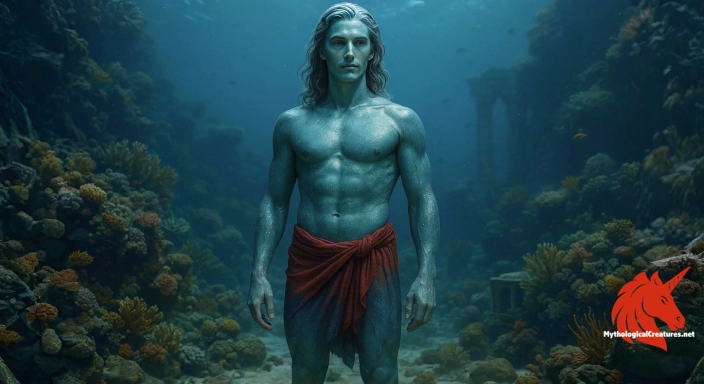
Visually, Porphyrion is often depicted as a colossal figure whose very presence dwarfs that of mortal beings and even many of the gods. His form is typically imagined as a hulking giant, with broad shoulders and a sinewy, powerful frame that speaks of untamed strength. Descriptions sometimes point to a striking complexion with hues that evoke the deep, rich shades of porphyry stone, a detail subtly hinted at by his name. His facial features are rendered as both noble and fearsome, combining an almost regal countenance with savage intensity. The textures of his skin, coarse and enduring, seem to mirror the rugged landscapes from which he emerged. His eyes, often described as burning with a defiant glow, and his wild, flowing hair add to the aura of primordial ferocity. Intricate depictions in vase-paintings and sculptures illustrate his battle-worn physique, adorned with scars and marks of past confrontations. Such artistic portrayals serve to immortalise the giant’s raw physicality, capturing both his formidable combat prowess and his mystifying, almost otherworldly allure.
Regional Faces
The portrayal of Porphyrion exhibits notable variations across different locales in the ancient Mediterranean. In mainland Greece, artistic depictions on pottery and friezes emphasised his enormous stature and ferocious demeanour during the legendary Gigantomachy, whereas in regions like Asia Minor, local interpretations sometimes imbued him with additional supernatural attributes. Roman adaptations of Greek myths often retained his traditional characteristics, yet occasionally transformed him into a more allegorical figure representing the struggle against divine order. Local legends would sometimes incorporate distinctive regional symbols, thereby blending Porphyrion’s narrative with indigenous mythic elements. In some instances, visual art in these regions reflected the local aesthetic and cultural values, highlighting aspects such as bravery against overwhelming odds. Variants from different Greek city-states might also stress his defiant spirit in unique ways, offering insights into the values and fears of those communities. Such regional adaptations underline the flexibility of myth and its capacity to evolve according to the sensibilities of different audiences. The legacy of his story, therefore, is not monolithic but rather a multifaceted narrative that resonates with a diversity of cultural identities.
Cultural Parallels
In the wider panorama of world mythology, Porphyrion finds parallels with giant figures who challenge the established celestial order. His mythic role shares resonances with the Norse jotunn, whose formidable and often antagonistic presence stirs chaos among the gods. Much like the titanic beings in various European folk traditions, Porphyrion embodies the archetypal struggle between the forces of nature and the divine authority. The duality of his character reflects a universal motif where wisdom, power, and hubris are intermingled, inviting comparisons with the Nephilim found in biblical narratives. Across cultures, giants often serve as emblematic figures symbolising the untamed aspects of nature and the human psyche, a theme that is clearly echoed in Porphyrion’s story. These cultural parallels underscore an enduring fascination with beings of immense strength who defy cosmic limits. Such comparisons provide a fertile ground for analysing how different societies interpret the concept of rebellion against order. Whether through battle or symbolic resistance, these mythic giants continue to captivate imaginations around the globe.
Legacy & Modern Evolution
Over centuries, the myth of Porphyrion has continued to inspire both artistic and literary expressions, evolving in tandem with changing cultural sensibilities. In classical antiquity, his portrayal as a defiant force against the Olympian hierarchy symbolised the eternal contest between chaos and order. Later, during the Renaissance and beyond, artists and writers revisited his story, imbuing it with new layers of meaning that reflected human struggles against tyranny and the natural world. Contemporary fantasy literature and visual media have reimagined Porphyrion as an archetypal giant whose narrative challenges modern audiences with themes of resilience and the cyclical nature of power. His legacy is seen not only as a relic of ancient myth but also as a dynamic symbol that continues to be reinterpreted in various cultural contexts. Modern interpretations often stress the moral dimensions of his defiance, casting him as both a tragic hero and a cautionary embodiment of hubris. Intellectual debates and creative retellings in the realms of theatre, film, and literature underscore his lasting influence. Even today, Porphyrion's myth serves as a powerful reminder of the timeless dialogue between the extremes of deific order and the untamable spirit of rebellion.
Interesting Fact
An intriguing aspect of Porphyrion is his status as not just any giant, but one of the most prominent leaders of the Gigantes, with his battles echoing the ancient struggle between mortality and the divine.
Curated sponsor space
One subtle banner. Thousands of myth lovers.
We offer a small number of curated sponsor spots for relevant books, courses, games, and art. No clutter, just well-matched partners.
Partner with usQuick Creature Info
Origin:
Features:
Associations:
Our Mythic Legendary Rating:

Habitat:
Supernatural Powers:
Physical Attributes:
Abilities:
Behavior:
Weaknesses:
Lore:
Related Creatures, Tales or Lore
References
Discover Another Mythical Legend You May Not Have Heard Of?
Uncover the mysteries of ancient folklore and expand your knowledge of legendary beings from cultures around the world.
Dare to Meet the Thaumas....
Curated by the Mythological Creatures Team
Series editor: Mythological Creatures Directory
Primary desk: Hellenic & Ancient Mediterranean Desk
(rev. November 2025)