
Enceladus: Enceladus is a colossal giant from Greek mythology, renowned as one of the offspring of Gaia and Uranus and a principal combatant in the Gigantomachy.
-80eb7eb8-198e-4da2-a15f-b32f21b9a2e9_small.webp "Enceladus - Represents the rebellious and destructive forces of nature against the divine order; his burial under Mount Etna is used to explain the origin of volcanic activity and earthquakes.")
Enceladus
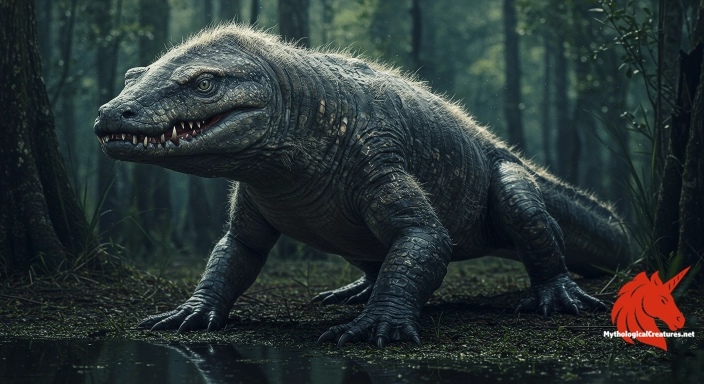
Enceladus - Represents the rebellious and destructive forces of nature against the divine order; his burial under Mount Etna is used to explain the origin of volcanic activity and earthquakes.
Origins & First Encounters
Enceladus emerges from ancient Greek myth as one of the formidable giants, born of Gaia and Uranus, whose story has long captivated the imagination. His very existence symbolises the raw, untamed forces of nature, and his defiant stance in the Gigantomachy casts him as a timeless embodiment of chaos challenging divine order. Many accounts highlight his clash with Athena, where his aggressive presence underscores a broader cosmic battle between the gods and the primordial forces. His myth is steeped in rich cultural symbolism, linking him indelibly with the natural world and its volatile impulses. By representing nature’s fury and unpredictability, Enceladus serves as both a literal and metaphorical warning against arrogance. The giant’s narrative, woven into the epic tapestry of ancient lore, illustrates the struggle between the enduring power of the natural world and the structured might of the gods. His legendary burial under Mount Etna in Sicily further emphasises the interplay between myth and the natural phenomena that have shaped human experience. Over time, his story has evolved to encapsulate themes of eternal defiance, the cyclical nature of destruction and renewal, and the enduring allure of myth in explaining the inexplicable.
Source Texts & Tale Variants
Ancient literary sources and artistic depictions offer glimpses into the multifaceted layers of Enceladus’s legend. Vivid portrayals appear in Greek vase paintings and fragmentary texts from the Hellenistic period that underline his role in the epic Gigantomachy. Early poets and playwrights provided brief but impactful mentions of his battles, painting him as a symbol of inexorable natural wrath. Later accounts in Roman compilations further embellished his story, deepening his mythological persona with additional narrative elements. Varied versions of the myth reveal differences in the manner of his confrontation with divine forces, reflecting the rich oral tradition that allowed for local adaptation. Some tellers of the myth accentuate his might and monumental stature, while others imbue his tale with a sense of tragic inevitability. Transitions between sources have permitted modern scholars to piece together fragments that highlight both his martial prowess and his fated downfall. These diverse textual and visual portrayals have collectively enriched Enceladus’s legend, ensuring that his story remains a vibrant topic in the study of myth and folklore.
Form & Powers
Enceladus is typically envisaged as a colossal being whose very form mirrors the rugged terrain of the earth. His body is often described as being sculpted from rock, with a hide that carries the texture of weathered stone and volcanic ash. The giant’s eyes are frequently depicted as burning with an inner fire, reflecting both an intense fury and a spark of primordial wisdom. His robust physique, marked by broad shoulders and muscular limbs, is emblematic of his untamed strength and relentless power. Artists have portrayed him with a wild, unkempt mane of hair and a thick beard that further accentuates his formidable presence. The physical exaggerations serve not only to impress upon viewers his immense size but also to symbolise the raw, indomitable forces of nature. In some depictions, his features are so exaggerated that they seem almost elemental, as though he were forged from the very substances of the earth. His overall presence is one of immense scale and power, a visual testament to the myth of a being whose core is as ancient and enduring as the mountains themselves.
Regional Faces
Local traditions offer intriguing variations of Enceladus’s myth, with Sicily standing out as the principal stage for his legend. Here, the giant’s burial beneath Mount Etna has been woven into local lore as a key explanation for the volcano’s persistent rumblings and eruptions. Regional narratives often transform his character into a symbol of the island’s volatile landscape, thereby linking myth to the observable forces of nature. In some Sicilian retellings, his struggle with the gods is given additional local context, merging the myth with the island’s own history of seismic and volcanic activity. Variations also appear in neighbouring Mediterranean cultures where Enceladus’s image is adapted to reflect indigenous artistic motifs and local legends about earth-born titans. These adaptations underscore the universal appeal of his story, as his tale is reshaped to mirror the unique geographical and cultural elements of the region. Artists and storytellers in these areas have imbued the myth with a palpable sense of place, ensuring that Enceladus becomes a local hero as well as a figure of myth. Through these regional adaptations, the giant’s narrative has been kept alive, continuously reinterpreted to resonate with the experiences and natural phenomena of diverse communities.
Cultural Parallels
When viewed alongside giant figures from other mythological traditions, Enceladus shares striking similarities with beings that embody the forces of chaos and nature. His defiance against the Olympian gods mirrors themes found in Norse myths, where titanic figures also wage epic battles against divine order. This alignment with the archetypal giant is seen across cultures, from the primeval beings of Mesopotamian lore to the enigmatic Nephilim of ancient narratives. Such comparisons reveal a shared human tendency to personify the untamed aspects of nature through these monumental beings. Like many of his mythological counterparts, Enceladus serves as a vessel for exploring the tensions between order and chaos, civilisation and the wild. The symbolic resonance of these giants often touches on universal concerns—pride, downfall, and the inevitable triumph of structured society over anarchic forces. His enduring image, therefore, is not isolated to Greek mythology but is part of a larger cross-cultural dialogue on the nature of cosmic balance and disruption. Examining his story side by side with giants from diverse mythic traditions provides insight into how ancient cultures grappled with understanding natural disasters and the mysteries of the cosmos.
Legacy & Modern Evolution
The myth of Enceladus has experienced a dynamic evolution from its ancient origins to its modern reinterpretations, reflecting changing societal attitudes towards nature and the divine. Early depictions in classical art and literature firmly anchored him as a fearsome adversary of the gods, whose narrative cautioned against hubris and defiance. In the Renaissance, his image was revitalised as part of a broader reengagement with classical antiquity, imbuing his legend with dramatic flair and allegorical significance. The association of Enceladus with Mount Etna contributed to an enduring metaphor for volcanic unrest and the latent dangers of nature escaping human control. In modern times, his myth has evolved to serve as a potent symbol in discussions of environmental transformation and geological phenomena. Contemporary portrayals in literature, film, and other media have reimagined him as both a relic of ancient myth and a comment on the power of natural forces in the modern world. His legacy is apparent in the way his story continues to inspire artistic expression and scholarly debate, bridging the gap between ancient myth and modern science. Today, Enceladus stands not only as a figure of myth but as a cultural icon whose narrative conveys timeless themes of defiance, nature’s fury, and the intricate dance between despair and awe.
Interesting Fact
Enceladus' entombment beneath Mount Etna not only provides a mythical explanation for the volcano's eruptions but also symbolizes the ancient Greek interpretation of natural disasters as the actions of colossal, rebellious beings.
For serious mythcraft
Your project belongs among the legends
If your work deepens how people understand, play with, or teach mythology, a sponsor placement here keeps it in front of the right readers all year.
Submit a sponsorship enquiryQuick Creature Info
Origin:
Features:
Associations:
Our Mythic Legendary Rating:

Also Sometimes Known As:
Habitat:
Supernatural Powers:
Physical Attributes:
Abilities:
Behavior:
Weaknesses:
Lore:
Related Creatures, Tales or Lore
- AAlcyoneus
- PPorphyrion
- EEphialtes
References
Discover Another Mythical Legend You May Not Have Heard Of?
Uncover the mysteries of ancient folklore and expand your knowledge of legendary beings from cultures around the world.
Dare to Meet the Bunyip....
Curated by the Mythological Creatures Team
Series editor: Mythological Creatures Directory
Primary desk: Hellenic & Ancient Mediterranean Desk
(rev. November 2025)