
Alcyoneus: Alcyoneus is a formidable giant from Greek mythology, renowned for his immense strength and conditional immortality.

Alcyoneus
Alcyoneus - Represents the archetypal giant whose power is bound to his native land, challenging both mortal heroes and gods.
the legend in five swipes.
the legend in five swipes.
When was Alcyoneus first written about?
Emerging from the rich tapestry of ancient myth, Alcyoneus stands as a formidable figure whose origins can be traced to the primordial forces of Gaia and Uranus. Born from the blood of a castrated celestial being, he embodies the raw and untamed energy of the earth. His legendary status is deeply rooted in the narratives of the Gigantomachy, where cosmic battles between giants and the Olympian gods form the core of mythic tradition. Over time, his myth became entwined with that of the heroic Heracles, whose cunning ultimately overcame Alcyoneus’s seemingly invincible might. This giant’s unique power, granted by his connection to his native land, creates a mystical vulnerability that proves central to his downfall. In the multifaceted world of ancient myth, he is portrayed both as a fearsome adversary and, in some versions, as a pastoral figure linked with the nurturing aspects of nature. His narrative is further enriched by the mention of his seven daughters, the Alkyonides, whose own legends add further depth to his story. The legend of Alcyoneus reflects timeless themes of strength intertwined with delicate dependence on one’s origins, making him a symbol of both might and inevitable decline. His enduring myth continues to capture the imagination with its blend of cosmic conflict and the poignant interplay between power and place.
Alcyoneus: From Oral Tale to Written Record
Ancient literary sources provide a fragmented yet compelling glimpse into the life of Alcyoneus. The mythographer Apollodorus offers one of the most detailed accounts, situating him at the heart of the Gigantomachy and describing his invulnerability within his own territory. Poetic sources such as the verses of Pindar present a variant narrative that even redefines his character, referring to him as a herdsman rather than solely a relentless adversary. Additional layers of his story emerge from vase paintings and fragmented texts where he is depicted in various states, sometimes in slumber and at other times in the throes of battle. Some accounts suggest that his actions, such as the theft of Helios’ cattle, set the stage for further divine retribution. These different renditions underscore the fluid nature of myth, where multiple storylines coexist and adapt over time. The diversity of sources has allowed later generations to perceive him in multifarious lights, each one highlighting different aspects of his character. The interplay between these narratives has enriched the myth, offering a dynamic portrait of a giant whose legacy is as varied as the storytellers who have attempted to capture it. The enduring variations in his myth exemplify the adaptive power of oral and written traditions in classical antiquity.
What abilities did Alcyoneus have?
Though classical texts offer only a few direct descriptions, artistic depictions provide a vivid sense of Alcyoneus’s formidable presence. He is commonly envisioned as a towering giant, his immense stature symbolising the raw power of the natural world. His body appears as though it were hewn from stone, with robust limbs echoing the solidity of the earth itself. The giant’s features are often rendered with a rugged intensity; a face marked by stern determination and eyes that seem to hold the ancient mysteries of the land. Some representations emphasise a weathered, almost granite-like skin, which subtly hints at his divine and earthen origins. His long, flowing hair and beard are sometimes illustrated as wild and unkempt, reminiscent of tangled mists emerging over rough, mountainous terrain. In several artworks, his presence is depicted alongside pastoral elements, blurring the lines between the ferocious and the familiar. Variations in his portrayal across different artistic media reveal a consciousness of his dual nature—both a terrifying warrior and a natural force deeply connected to the soil. These diverse visual interpretations collectively contribute to a rich and enduring physical legend that captivates artists and audiences alike.
Alcyoneus: The Same Figure in Different Places
The story of Alcyoneus has travelled far and wide, adapting to the cultural nuances of various regions within the ancient Greek world. In mainland Greece, local lore often emphasises his role within the cosmic battles of the Gigantomachy, while also weaving in elements that highlight his strong ties to the land. Some local traditions portray him with pastoral attributes, emphasising his connection to the earth and its bounty. In island communities, variations of his myth focus on episodes such as his encounter in a state of slumber or his involvement in the theft of sacred cattle, offering a more intimate glimpse into his character. These differing regional accounts illustrate how local values and landscapes can influence the interpretation of mythic figures. The presentations of his legend in regional vase paintings further underline this adaptability, with visual motifs tailored to local sensibilities. In some areas, his portrayal is softened by an almost sympathetic air, while in others he is cast purely as a monstrous force of nature. The interplay of local and pan-Hellenic elements in his myth accentuates the diversity of ancient storytelling traditions. This regional plurality ensures that his legend remains both a unified epic and a series of personalised narratives, each colouring Alcyoneus with distinct local hues and cultural pertinence.
Alcyoneus: Similar Beings in World Folklore
Comparisons between Alcyoneus and other mythological giants reveal striking thematic parallels across cultures. His unique vulnerability—rooted in his enchanted connection to his homeland—resonates with figures in other traditions who derive their strength from a specific locale. Similar to the fate of certain Nordic giants, whose power wanes when separated from the natural order, Alcyoneus’s might is deeply entwined with his native earth. While he shares characteristics with the Titans and other Greek giants, his story is notably marked by a poignant dependency that sets him apart. This motif of place-bound strength appears in various global myths, where heroes and villains alike must confront the limitations imposed by their origins. The nuanced portrayal of Alcyoneus as both a warrior and a guardian of the land allows for an interpretation that straddles the heroic and the monstrous. In broader mythological contexts, his narrative aligns with archetypes of beings who ultimately falter when removed from the sources of their power. Such comparative insights not only deepen the understanding of his myth but also highlight shared narrative themes that traverse geographical and cultural boundaries. In drawing these parallels, the legacy of Alcyoneus is placed within a universal framework of mythic storytelling where the bonds between identity and land are paramount.
Alcyoneus: From Folklore to Pop Culture
The figure of Alcyoneus has undergone a dynamic transformation over the centuries, reflecting shifts in cultural, artistic, and academic perspectives. Originally portrayed in ancient texts as a nearly invincible giant, his myth capitalised on themes of raw natural power and the delicate balance between strength and vulnerability. Over time, his narrative was reimagined during the Renaissance, when renewed interest in classical mythology led to artistic reinterpretations that underscored both his heroic defiance and tragic susceptibility. This duality has allowed his legend to evolve into a potent symbol of how connection to one’s roots can be both a source of strength and a limitation. Modern artistic expressions, from literature to graphic novels and even digital media, have embraced Alcyoneus as a metaphor for environmental resilience and the dangers of displacement. His story has been woven into contemporary debates about identity and the forces of nature, often serving as a cautionary tale about the loss of intrinsic power through separation from one’s origins. Academic discussions have further reassessed his myth, highlighting its relevance in a globalised context where landscapes and allegiances are constantly shifting. Ultimately, the enduring legacy of Alcyoneus lies in his ability to encapsulate timeless human concerns, bridging ancient myth with modern existential reflections. His myth remains a vibrant example of how age-old narratives can adapt to the changing tides of cultural perception, ensuring his relevance for future generations.
Interesting Fact
A unique aspect of Alcyoneus is that his immortality was strictly confined to his native land, highlighting an ancient belief in the sacred power of one's homeland.
Mythological Treasures
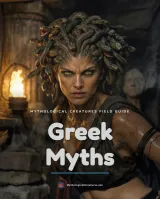
Greek Myths: A field guide to the monsters of ancient Greece
Every monster here earned its place in legend, and each gets a full page of artwork and the story behind it.
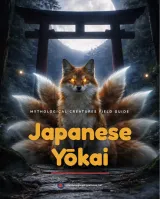
Japanese Yokai: A field guide to the spirits and demons of Japanese folklore
Fifteen spirits, with the signs to watch for and what the old tales say to do if you meet one.
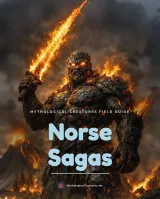
Norse Sagas: A field guide to the beasts of the Viking world
Drawn from the saga accounts themselves, with the powers, weaknesses and doom of each being set out.
the legend in five swipes.
Reach myth fans
Connect your myth-driven brand with this audience
Our readers are writers, educators, gamers, and collectors who care about mythology. Enquire about a limited sponsor placement on creature pages.
Enquire about sponsorshipQuick Creature Info
Origin:
Associations:
Our Mythic Legendary Rating:

Also Sometimes Known As:
Habitat:
Supernatural Powers:
Physical Attributes:
Abilities:
Behavior:
Weaknesses:
Lore:
Related Creatures, Tales or Lore
References
Discover Another Mythical Legend You May Not Have Heard Of?
Uncover the mysteries of ancient folklore and expand your knowledge of legendary beings from cultures around the world.
Dare to Meet the Carbuncle....
-677893b3-6616-4330-91f3-765103bae2c9_small.webp "Depiction of Carbuncle")
The Mythological Creatures Book Series
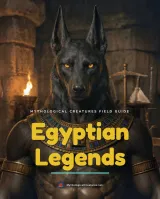
Yokai, Greek, Norse, Egyptian & Chinese. Five illustrated field guides to the creatures the old stories either warned or told you about.
Curated by the Mythological Creatures Team
Series editor: Mythological Creatures Directory
Primary desk: Hellenic & Ancient Mediterranean Desk
(rev. November 2025)