
Caipora: Caipora is a mischievous forest guardian from the Tupi-Guarani mythology of Brazil.
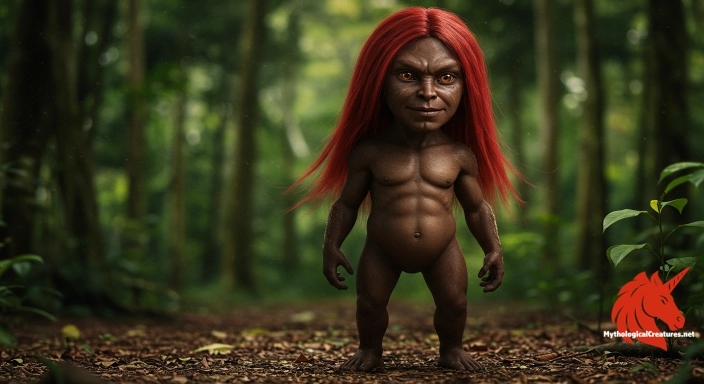
Caipora
Caipora - Symbolises the protection of the forest and the importance of respecting nature; serves as a cautionary figure for hunters.
Origins & First Encounters
Caipora emerges from the vibrant tapestry of Tupi-Guaraní myth as a captivating guardian of the forest. Its name, derived from the Tupi language meaning 'inhabitant of the forest', immediately positions it within the heart of nature. Born from indigenous spiritual traditions, this creature embodies both playful mischief and a fierce protectiveness toward wildlife. Stories passed down over generations depict Caipora as a symbol of the deep, enduring bond between people and the untamed wilderness. Early attestations of its legend were embedded in oral narratives, where every detail was sacramental in teaching respect for the natural world. Over time, Caipora’s image has evolved to become a multifaceted figure that transcends simple categorisation. Its dual appearance as either male or female adds layers of symbolic interpretation and reflects the complexity of nature itself. The myth encapsulates the delicate interplay of celebration and caution in environments where nature is both nurturing and formidable. Local accounts emphasise the creature’s role as a mediator between humanity and the wild, a timeless reminder of nature’s unpredictable spirit. With each retelling, Caipora continues to inspire awe, weaving together threads of history, spiritual insight, and ecological wisdom.
Source Texts & Tale Variants
The narratives of Caipora have been preserved through a rich blend of oral tradition and later written accounts that capture the essence of indigenous folklore. Stories handed down by native tribes vividly illustrate its role as both a playful trickster and a stern protector of the forest’s creatures. Early documentations began to surface during the colonial period, when explorers and chroniclers sought to record the enchanting tales of the region. Despite variations in detail, these accounts consistently highlight Caipora’s capacity for mischief and retribution, particularly against those who violate the sanctity of the forest. Local storytellers have passed on multiple variants of the myth, ensuring that the creature’s identity remains fluid and open to interpretation. Some versions emphasise its fear of light, while others capture its dynamic presence by the light of firebrands and smoke. Contemporary authors and folklorists have expanded upon these traditional narratives, enriching the lore with modern sensibilities. The diversity of sources reflects a synthesis of pre-colonial wisdom and post-colonial reinterpretations. In every retelling, the spirit of Caipora is interwoven with the values and beliefs of the community that preserves its story. These layered depictions continue to provide insight into the evolving relationship between humankind and the natural world.
Form & Powers
Visually, Caipora is painted as a striking figure whose appearance captures the untamed essence of the forest. Typically, it is portrayed as a small, dark-skinned being with a cascade of long red hair that flows like fiery tendrils through the woodland air. Naked and bare, its minimal attire underscores an inherent connection to nature, unmediated by the trappings of civilisation. A defining element of its image is the ever-present cigar, an unusual detail that enhances its enigmatic and mischievous persona. Artistic renditions also reveal a captivating duality, as the creature is sometimes presented as a girl and at other times as a boy, symbolising nature’s fluid boundaries. The portrayal is replete with contrasts, where a diminutive stature belies an immense supernatural authority. In some narratives, it is depicted astride a great peccary, hinting at both partnership with and mastery over woodland fauna. Every physical detail—from its expressive eyes to its untamed mane—serves to illustrate a being that straddles the realms of the human and the wild. The stark nakedness and natural embellishments evoke themes of authenticity and primal power. This synthesis of human-like quirks with raw animalistic features makes the image of Caipora both compelling and memorably otherworldly.
Regional Faces
The image and attributes of Caipora shift intriguingly from one region of Brazil to another, mirroring the diversity of the local environments and cultural practices. In some areas, tales of Caipora blend seamlessly with those of other forest spirits, leading to occasional confusion with figures like Curupira, yet distinct features always set them apart. Certain communities emphasise its role as a vengeful guardian, warning hunters to respect the natural laws of the forest. In regions where the native people hold the light in awe, Caipora is said to be particularly sensitive to its glow, influencing local rituals and day-specific hunting prohibitions. Some narratives even portray it as a cannibal or an insatiable consumer of the smallest creatures, adding an extra dimension of menace to its character. The creature’s gender, often oscillating between male and female, is also subject to regional interpretation and spiritual symbolism. Local adaptations sometimes introduce unique elements such as riding a peccary or employing elaborate deceptions to confound intruders. These regional variations not only enrich the myth but also reflect a profound connection to the local landscape and its challenges. Reflecting the complexity of Brazil’s cultural mosaic, Caipora adapts its characteristics to resonate with the values and fears of each community. Across diverse landscapes, the spirit retains a core identity while freely adopting traits that speak to localized traditions and natural phenomena.
Cultural Parallels
When juxtaposed with similar mythological entities, Caipora stands out as a uniquely dynamic forest guardian within the world of folklore. Its role, while echoing the protective functions seen in figures like Curupira, is marked by a distinctive mix of impulsiveness and calculated retribution. The creature shares common ground with other global nature spirits who serve as both guides and challengers to those venturing into the wilderness. In many traditions, forest entities embody the dual roles of nurturing life and punishing transgressions, a theme that Caipora exemplifies with its penchant for deceiving and leading hunters astray. The interplay of mischief and moral enforcement in its character is reminiscent of the trickster archetypes found in various cultures, offering a counterbalance to more benign spirit guides. Furthermore, its fluid gender presentation sets it apart from more rigidly defined supernatural beings, highlighting a broader thematic embrace of ambiguity and transformation. This amalgamation of traits, from its visual distinctiveness to its behavioural complexity, mirrors a global pattern where indigenous narratives confer responsibility and respect for the natural order. By comparing it with similar mythic figures, one can appreciate how Caipora both conforms to and subverts established archetypes, embodying a more multifaceted presence. The cross-cultural resonance of its themes underscores the common human impulse to venerate, yet caution against, the formidable power of nature. Such comparative insights reveal Caipora as a linchpin in a broader, interconnected tradition of myth-making that spans continents and eras.
Legacy & Modern Evolution
The myth of Caipora has undergone a remarkable transformation, moving from the whispered secrets of indigenous lore to a celebrated fixture in modern Brazilian culture. Over centuries, its narrative has been reshaped by shifting social attitudes towards nature and environmental conservation. Contemporary reinterpretations often cast Caipora as a symbol of ecological balance, reasserting its role as a protector in an ever-changing world. The retelling of its story in literature, art, and media has subtly shifted the focus from mere superstition to a broader dialogue about sustainable interaction with nature. In modern festivals and cultural expressions, Caipora is honoured as both a cautionary tale and a beacon of respect for the environment. Artists and storytellers continue to explore its multifaceted character, imbuing it with contemporary themes that speak to issues such as environmental degradation and climate change. The evolution of its image—from a fearsome, vengeful spirit to a revered, if unpredictable, guardian—mirrors an increasing awareness of the importance of preserving natural habitats. As modern interpretations blend traditional values with current environmental ethics, the legacy of Caipora remains ever relevant. Its narrative serves as a powerful reminder of the enduring human connection to the wild lands that shaped our ancestors. The continuing fascination with Caipora underscores its timeless appeal as a myth that adapts to the rhythm of societal change.
Interesting Fact
Despite being often confused with Curupira, Caipora has distinct attributes and cultural significance, marking it as a unique emblem of Brazilian indigenous mythology.
Support the directory
Promote your myth project and fund more research
Sponsor placements help keep this directory growing and free to use while giving your work a focused, relevant audience.
Learn how sponsorship worksQuick Creature Info
Origin:
Features:
Associations:
Our Mythic Legendary Rating:

Habitat:
Supernatural Powers:
Physical Attributes:
Abilities:
Behavior:
Weaknesses:
Lore:
References
Discover Another Mythical Legend You May Not Have Heard Of?
Uncover the mysteries of ancient folklore and expand your knowledge of legendary beings from cultures around the world.
Dare to Meet the Isonade....

Curated by the Mythological Creatures Team
Series editor: Mythological Creatures Directory
Primary desk: Americas & Indigenous Traditions Desk
(rev. November 2025)