
Changeling: The changeling is a supernatural substitute found in European folklore, often used to replace abducted human children or adults.
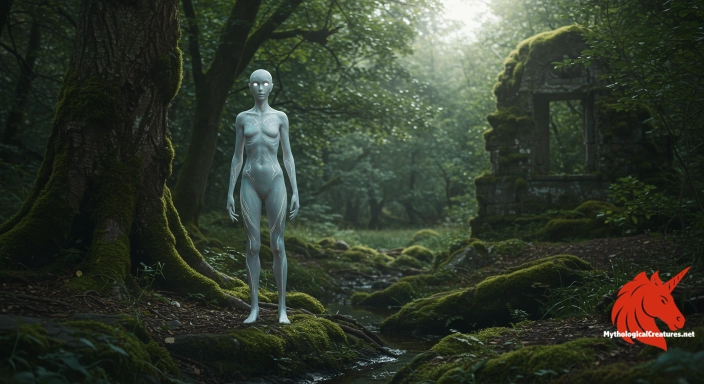
Changeling
Changeling - Changelings feature in folklore as explanations for developmental anomalies and unexplained changes in human behaviour, reflecting cultural fears of supernatural interventions.
the legend in five swipes.
the legend in five swipes.
Changeling Origins: The Earliest Accounts
The changeling is a mysterious creature woven into the intricate fabric of European folklore, known for its uncanny similarity to a human child while harbouring an otherworldly essence. Its origins are steeped in ancient beliefs, where supernatural beings were said to abduct human offspring and replace them with a feigned substitute. The earliest whispers of this phenomenon appear in age-old oral traditions, predating many medieval written accounts. Over time, the changeling myth became entangled with diverse cultural narratives, adopting names like auf or oaf to designate its paranormal presence. Its emergence symbolises the fragile boundary between the tangible world of humans and the elusive realm of fairies, demons, and trolls. Communities once narrated these eerie episodes with a blend of fear and wonder, interpreting unexpected childhood maladies as signs of a supernatural swap. With each retelling, the changeling concept absorbed local superstitions, mirroring societal anxieties regarding identity and belonging. Deeply embedded in the folklore of many regions, this figure came to embody the inexplicable aspects of life that defied mundane explanation. It continues to evoke curiosity and caution among those who delve into the mystical history of human culture. Emblematic of liminality and transformation, the changeling remains a powerful, enduring symbol in the collective imagination.
Changeling: The Written Sources
Ancient manuscripts, folk ballads, and oral storytelling traditions serve as the primary sources that illuminate the changeling myth. Narratives from the British Isles, particularly within Irish and Scottish traditions, recount unsettling tales of fairy abductions where a supernatural substitute is left in place of the real child. Scandinavian lore intertwines the changeling with the dark, mysterious world of trolls and nature spirits, adding layers of complexity to its identity. Medieval texts, whether in the form of ecclesiastical tracts or rural cautionary tales, offer stark depictions of these eerie exchanges between realms. Variants of the story abound, with some accounts describing the changeling as a magically animated stock, while others depict it as a creature expertly fashioned to mimic a human infant. Despite these differences, a common theme prevails: the inexplicable replacement of a human child with an uncanny, otherworldly double. Diverse folklore collections have preserved these narrative variants, ensuring that the legend thrives through generations. Community festivals and local rituals have even incorporated reenactments of the changeling tale, reinforcing its cultural significance. Each source, whether written or oral, contributes a unique perspective, revealing the multiplicity of interpretations that have evolved over centuries. This rich tapestry of narratives highlights the enduring allure and mystery of the changeling phenomenon.
Changeling: What the Legends Describe
Detailed descriptions of changelings in folklore offer a complex portrait that balances human familiarity with subtle hints of the supernatural. Many accounts describe them as bearing an almost indistinguishable resemblance to human children, yet possessing slight anomalies that reveal their true nature. Some narratives mention features such as unusual eye colours that seem to shimmer with an ethereal light, or facial structures that are just subtly asymmetrical. There are tales in which a changeling’s skin appears more luminous or oddly textured, setting it apart from its human counterpart. Often, the creature is depicted with a fragile, slight frame that belies an inner strength of a decidedly uncanny origin. Variations in size and proportions are noted, sometimes as a reflection of the misalignment between the earthly and the fae realms. Artistic depictions over the centuries have occasionally exaggerated these peculiar traits, emphasising an eerie, otherworldly quality. In some traditions, the changeling is described with a melancholic expression or eyes that seem to harbour a deep, unfathomable sorrow. Such physical details aim to convey a blend of innocence and menace, suggesting that beneath the benign exterior lies an entity born of magic. The cumulative effect of these descriptions is a creature that is at once familiar and profoundly unsettling, encapsulating the dual nature of its existence.
How do regional versions of the Changeling differ?
The legend of the changeling adapts significantly across different regions of Europe, each imbuing it with distinctive cultural nuances. In Celtic lands, the changeling is deeply entwined with the faerie realm, often portrayed as a tragic figure caught between worlds. Scandinavian traditions sometimes link the creature with the rugged landscape and the folklore of trolls, emphasising a connection to nature’s wild, untamed forces. In parts of Central Europe, the myth is frequently interwoven with cautionary tales about curses and the infiltration of demonic influence. Northern Irish stories highlight a complex duality, where the changeling represents both a blessing from the fae and an ominous harbinger of misfortune. Eastern European renditions occasionally merge the creature’s characteristics with Slavic mysticism, imbuing it with ritualistic and transformative symbolism. In the warmer climes of Southern Europe, although rarer, the changeling appears as a subtle warning against meddling with supernatural powers. Regional festivals and local storytelling traditions have continually adapted these narratives, reflecting the specific social and environmental concerns of each community. This wealth of regional variation underscores the changeling’s versatility as a myth, capable of embodying diverse fears and hopes. Ultimately, each cultural adaptation provides a unique lens through which to view the timeless interplay between the natural and the supernatural.
Is the Changeling unique, or found elsewhere?
The changeling myth resonates with a spectrum of similar legends found in various cultures, creating intriguing parallels and contrasts in mythological studies. Across Europe, creatures like the doppelgänger share the theme of a mysterious double replacing a human, provoking questions about identity and authenticity. In other traditions, entities that mirror or intrude upon human life—be they shape-shifters, spirit children, or faerie impostors—echo the changeling’s central motif of substitution. The narrative of a child inexplicably altered or replaced functions as a metaphor for loss, transformation, and the existential fear of the unknown. Comparative folklore reveals that while the settings and details may differ, the underlying anxieties about protecting children and understanding the unseen are universally potent. Literary works from different eras have reinterpreted these myths, using the changeling motif to explore themes of alienation and identity crisis. Some cultures even integrate these tales within broader cycles of life and rebirth, underscoring the transformative power of encountering the supernatural. The cross-cultural examination of these legends highlights both shared human concerns and the peculiarities that give each myth its local flavour. Such comparisons enrich our understanding of how societies externalise internal fears through narrative. Thus, the changeling serves as a bridge between disparate mythological traditions, inviting a dialogue that spans continents and centuries.
Where do you see the Changeling today?
Over the centuries, the changeling myth has continually evolved, reflecting shifts in societal attitudes and the influence of modern narratives. In earlier times, the tale was used to rationalise bizarre child behaviours and unexplained illnesses, merging superstition with attempts at early scientific explanations. As the modern world emerged, the changeling became a rich metaphor in literature and art, symbolising the tension between the known and the mysterious. Writers and filmmakers have reimagined the creature in myriad ways, transforming it into a poignant emblem of alienation in an increasingly rational yet fragmented society. Contemporary interpretations explore themes of identity, the loss of innocence, and the struggle to maintain one's essence in the face of overwhelming external forces. In modern psychological and cultural discourse, the changeling is sometimes seen as a manifestation of internal conflict or societal dislocation. Popular culture has embraced the creature in various forms—ranging from dark, atmospheric films to nuanced literary works—thereby revitalising its appeal for new audiences. This enduring legacy underscores how the changeling myth continuously adapts to express evolving human concerns about change and the nature of reality. Even as explanations of natural phenomena have advanced, the symbolic power of the changeling endures, enchanting those who yearn for a connection to the uncanny past. In this way, the changeling remains a timeless figure, forever bridging the gap between folklore and modern existential inquiry.
Interesting Fact
Many scholars theorise that the changeling myth originated as an early explanation for developmental disorders in children, serving as a cultural response to the limits of contemporary medical knowledge.
Mythological Treasures
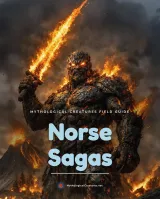
Norse Sagas: A field guide to the beasts of the Viking world
Drawn from the saga accounts themselves, with the powers, weaknesses and doom of each being set out.
Greek Myths: A field guide to the monsters of ancient Greece
Every monster here earned its place in legend, and each gets a full page of artwork and the story behind it.
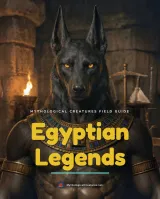
Egyptian Legends: A field guide to the gods and monsters of ancient Egypt
Guardians of the living and devourers of the dead, with the role each played in judgement.
the legend in five swipes.
Limited sponsor opportunity
One slot, carefully chosen partners
We only feature a small number of relevant sponsors at any time. If you create serious myth content, we would like to hear from you.
Partner with usQuick Creature Info
Features:
Our Mythic Legendary Rating:

Also Sometimes Known As:
Habitat:
Supernatural Powers:
Physical Attributes:
Abilities:
Behavior:
Weaknesses:
Lore:
References
Discover Another Mythical Legend You May Not Have Heard Of?
Uncover the mysteries of ancient folklore and expand your knowledge of legendary beings from cultures around the world.
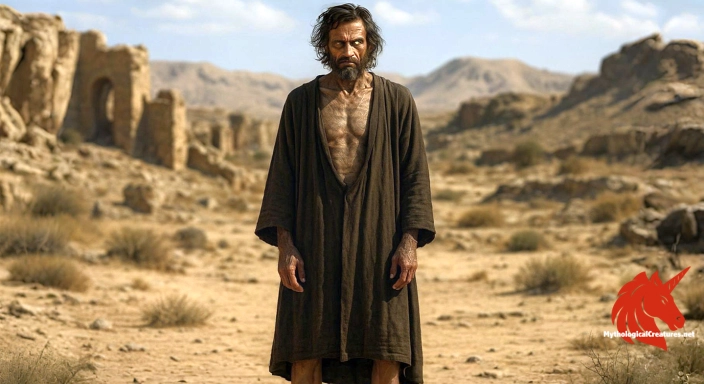
Dare to Meet the Al-Masih ad-Dajjal....
The Mythological Creatures Book Series
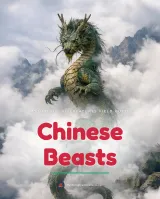
Yōkai, Greek, Norse, Egyptian & Chinese. Five illustrated field guides to the creatures the old stories either warned or told you about.
Curated by the Mythological Creatures Team
Series editor: Mythological Creatures Directory
Primary desk: Northern & European Folklore Desk
(rev. November 2025)