
Chlidanope: Chlidanope is a naiad from Greek mythology, known as the divine wife of King Hypseus of Lapiths.

Chlidanope
Chlidanope - Her union with King Hypseus and her role as the progenitor of royal Lapith lineage highlight the importance of divine-human intersections in Greek mythology.
Origins & First Encounters
Chlidanope emerges from the rich tapestry of ancient Greek mythology as a distinctive naiad whose origins are interwoven with the sacred waters of the land. Her mythic presence is intimately linked to the river-god Peneus, establishing her as a symbol of nature’s life-sustaining power. She is best known as the wife of King Hypseus of the Lapiths, a union that bridges the divine realm of water nymphs with mortal royalty. Her earliest mentions appear in fragments of myth where her role, although briefly noted, highlights the seamless blend between human and natural worlds. In the context of Greek religious traditions, she stands as a representative of freshwater divinities that were central to local cult practises and agricultural fertility. The depiction of her character reflects the broader ancient belief in the vital connection between water and life, serving both as a nurturer and as a mysterious force worthy of reverence. Her narrative, though succinctly preserved, has allowed subsequent generations to explore the symbolic boundaries between mortality and divinity. Thus, Chlidanope continues to capture the imagination of those fascinated by the multifaceted interactions between nature and myth.
Source Texts & Tale Variants
Ancient literary sources provide only a delicate glimpse into the character of Chlidanope, with her presence primarily noted in genealogical records and mythic catalogues that detail the unions of gods and mortals. While classical texts tend to focus more on her husband, the sparse references to her have made her an intriguing subject for later mythographers. Some ancient scholia and lexica mention her in passing, particularly in the context of the lineage of the Lapiths and the celebrated nymph Cyrene. Variants in storytelling have emerged over time, with some traditions hinting at additional roles or attributes that embellish her identity beyond that of a simple naiad. These differing accounts reflect the fluid nature of myth, where oral traditions and local retellings enriched her character in diverse ways. In later compilations, authors have sometimes intermingled her story with broader themes of nature worship and river symbolism. Although the extant primary texts are limited, the multiplicity of interpretations has allowed modern scholars to reimagine her life and significance. As a result, Chlidanope’s narrative has morphed through various mythic retellings, each adding layers of nuance to her already enigmatic persona.
Form & Powers
Descriptions of Chlidanope often evoke an image of ethereal beauty that mirrors the pristine qualities of freshwater. Her appearance is typically portrayed with luminous skin that seems to capture the soft glow of sunlight dancing on gentle streams. The flow of her hair is imagined as cascading like water over smooth river stones, often interwoven with hints of aquatic flora that embellish her form. Artists and poets have depicted her with graceful contours that perfectly balance strength and delicacy, echoing the unpredictable yet nourishing nature of running water. Her eyes are frequently described as deep and reflective, evoking the mystery of hidden underwater depths, and suggest both compassion and an enigmatic allure. The artistic tradition often adorns her with symbols from nature—such as shells, water lilies, and reed wreaths—that serve to underscore her connection to the aquatic realm. Physical portrayals vary slightly, with some sources imagining her in a more robust and earthy manner, reflecting the wild beauty of untamed riverbanks. All in all, the visual narrative crafted in her myth conveys a timeless union of natural splendour and the refined traits of a divine nymph.
Regional Faces
In various locales where Greek myth retold and evolved, Chlidanope’s identity absorbed distinct regional flavours that highlighted her connection to local waterways. In Thessaly, for instance, her image is closely allied with the meandering Peneus, reinforcing her role as an emblem of the life-giving power of local rivers. Folk traditions in this region often celebrate her presence during seasonal rites that honour the fertility of the land. Elsewhere, regional adaptations have occasionally merged her characteristics with those of other minor water deities, creating a hybrid figure who embodies both the serenity and unpredictability of water. Local festivals sometimes celebrate her as a guardian of fresh water, with rituals that symbolically invoke her blessing on crops and livestock. Artistic renditions also vary, with some areas favouring a more spirited depiction that emphasises her nurturing yet forceful aspect. These diverse regional interpretations underscore the rich variability in Greek myth, where the same figure can resonate differently across community and geography. In essence, the adaptable nature of her myth highlights the universal reverence for water in communities both ancient and modern.
Cultural Parallels
Chlidanope’s myth finds intriguing parallels with other water deities in the ancient world, particularly those whose stories blend natural splendor with divine intervention. Much like the celebrated Naiads of Greek lore, her presence underscores water’s dual roles as a giver of life and a mysterious element capable of transformation. Comparisons can be drawn with figures such as Thetis or even local goddesses in other cultures who embody the nurturing and unpredictable aspects of water. This cross-cultural resemblance is evident in the manner in which various traditions elevate freshwater entities to symbols of both beauty and ecological strength. Her function as the progenitor of significant mythological figures also mirrors narratives in other mythologies, where water deities are celebrated as ancestors of heroic or divine lineages. In these narratives, the union of water and mortal realms often serves as a metaphor for the birth of life and the cyclical nature of existence. The shared motifs among diverse cultural depictions enhance the understanding of Chlidanope’s role as part of a broader tradition of water worship. Ultimately, her myth not only stands as an individual narrative but also as a reflection of a universal archetype seen throughout the mythic traditions of many ancient cultures.
Legacy & Modern Evolution
Over the centuries, the portrayal of Chlidanope has evolved from a scarcely mentioned mythic figure to an emblematic symbol of nature’s subtle power. Early inscriptions and mythic genealogies laid the foundation for her identity, yet it is the modern reinterpretations that have truly expanded her mythos. In contemporary literature and art, she has come to represent the enduring connection between water, fertility, and the cycles of life. Modern creative endeavours often cast her as a metaphor for ecological resilience and the delicate balance between civilization and nature. This renewed attention has led to her incorporation in environmental narratives, where her symbolism is used to advocate for the protection of natural water resources. The enduring fascination with her story has sparked scholarly debates that reassess the roles of lesser-known deities within the expansive Greek mythos. Over time, her image has been reimagined through various mediums such as paintings, theatre, and digital art, each interpretation adding to the mosaic of her legacy. In contemporary culture, Chlidanope stands not only as a relic of ancient lore but as a dynamic icon whose myth continues to inspire both critical analysis and creative expression.
Interesting Fact
An intriguing aspect of Chlidanope's myth is her role in bridging the divine and mortal worlds, illustrating how natural elements were deeply interwoven with the identities of ancient Greek heroes and deities.
For myth educators and toolmakers
Built a resource for mythology learners?
If you offer courses, teaching tools, or research platforms focused on myth and folklore, consider a discrete placement on our reference pages.
Introduce your resourceQuick Creature Info
Origin:
Associations:
Our Mythic Legendary Rating:

Habitat:
Supernatural Powers:
Physical Attributes:
Abilities:
Behavior:
Lore:
Related Creatures, Tales or Lore
- NNereid
- OOceanid
References
Discover Another Mythical Legend You May Not Have Heard Of?
Uncover the mysteries of ancient folklore and expand your knowledge of legendary beings from cultures around the world.
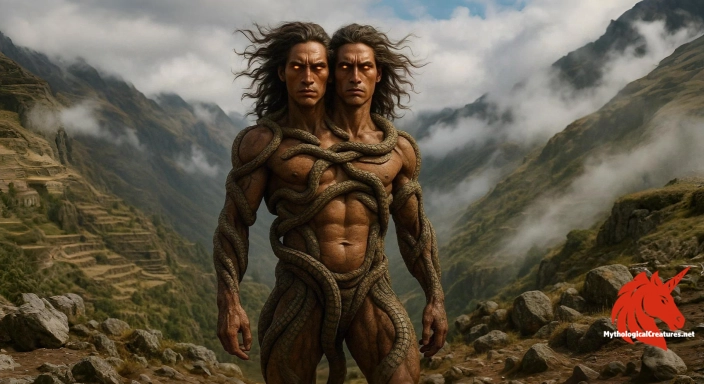
Dare to Meet the Wayra Tata....
Curated by the Mythological Creatures Team
Series editor: Mythological Creatures Directory
Primary desk: Hellenic & Ancient Mediterranean Desk
(rev. November 2025)