
Colbrand: Colbrand, also known as Colbron, is a legendary giant from English folklore noted for his immense size and strength.
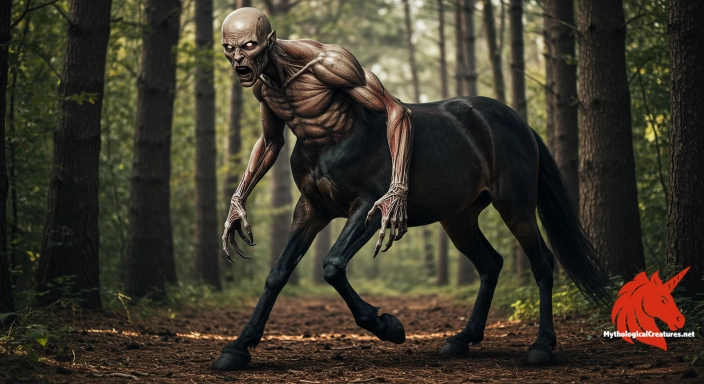
-934a726f-999b-4a37-a8cf-549de527117f_small.webp "Colbrand - Colbrand's defeat by Guy of Warwick underscores the triumph of heroic figures over monstrous adversaries in medieval romance narratives, and his name became synonymous with immense strength.")
Colbrand
Colbrand - Colbrand's defeat by Guy of Warwick underscores the triumph of heroic figures over monstrous adversaries in medieval romance narratives, and his name became synonymous with immense strength.
Origins & First Encounters
Colbrand emerges as an enigmatic figure from the depths of English folklore, a giant whose legendary stature has both fascinated and terrified audiences over the centuries. His origins are interwoven with the saga of Guy of Warwick, a hero celebrated for his daring exploits and his pivotal role in defending the realm. The earliest attestations place Colbrand within the Matter of England, a corpus of narratives that merge myth with a sense of national identity. His tale unfolds during turbulent times when legendary heroes and monstrous foes battled for supremacy, embodying the clash between native virtues and foreign aggression. Over time, the character of Colbrand evolved beyond a mere antagonist, representing the formidable challenges that heroes must overcome. His story was cemented in the local lore of Winchester, where the duel at Hyde Mead became a symbol of bravery and conflict. This figure, though shrouded in myth, captures the imagination with his overwhelming physical power and the dramatic narrative of his defeat. The enduring nature of his myth speaks to a cultural fascination with the concept of the giant as both a literal and metaphorical force. In many respects, Colbrand has become a touchstone for the archetypal struggle between the celebrated hero and the seemingly insurmountable foe.
Source Texts & Tale Variants
The narrative of Colbrand is rooted in medieval romance and survives in various historical texts and folklore traditions. The legend is primarily associated with the saga of Guy of Warwick, where Colbrand is remembered as the formidable champion of an invading force. Ancient manuscripts and oral traditions recount the details of his single combat against the hero, with Winchester traditions specifically anchoring the duel at Hyde Mead near the Abbey. The story is an integral part of the Matter of England, a body of tales that celebrate British heroism against overwhelming odds. As the narrative passed through the hands of storytellers from the 13th to the 17th centuries, multiple versions emerged that embellished the dramatic clash. Some texts provide scant details while others highlight the epic scale of the encounter, thereby enriching the myth. The story’s range spans from detailed combat descriptions to symbolic representations of the struggle between order and chaos. Literary figures, including Shakespeare, later referenced Colbrand, ensuring that his legend was transmitted across generations and geographies. The multiplicity of sources has contributed to a rich tapestry that continues to nurture academic and popular interest in his myth.
Form & Powers
Colbrand is envisioned as a towering giant whose very presence defies the proportions of ordinary men. His physique is often described as extraordinarily robust, with massive limbs and a broad, muscular frame that speaks to a life spent in brutal combat. Artistic renditions and narrative descriptions alike portray him with rugged features that bear the marks of relentless battles. His countenance is typically set in a fierce grimace, with deep-set eyes and a weathered expression that hints at countless conflicts. The giant’s wild hair and unkempt beard add to his feral and intimidating allure, making him a figure of both awe and dread. At times, he is imagined clad in ornate yet practical armour, which underscores his role as the champion of formidable invaders. Variations in visual depictions reveal subtle differences that reflect the creative imaginations of various chroniclers, yet the core image of an overpowering force remains consistent. His entire physicality is an emblem of raw power, intricately tied to the cultural ideal of overcoming insurmountable obstacles. Every imaginative detail adds layers to his legendary persona, ensuring that his image endures in the collective memory of myth and history.
Regional Faces
The legend of Colbrand bears marks of regional adaptation that underscore the dynamic nature of medieval storytelling. In Winchester, local tradition firmly situates the dramatic duel at Hyde Mead, lending a specific geographical context that enriches the narrative’s authenticity. Communities have embraced his myth, adapting the details to resonate with local histories and cultural identities. In some areas, Colbrand's character is enhanced with regional attributes that highlight the menace of northern invaders and the valor of native heroes. The story’s transmission through local oral traditions has allowed for unique embellishments, which sometimes cast him in a more monstrous light or, conversely, as a tragic figure caught in the tide of history. French retellings of the tale, circulating among medieval Romance literature enthusiasts, further underscore the versatility of his myth. These regional variations not only reflect differences in cultural perspectives but also echo the shifting political landscapes of the time. Each local adaptation contributes a distinct flavour to the legend, ensuring that Colbrand remains a multifaceted symbol of both fear and fascination.
Cultural Parallels
Colbrand’s legendary status invites comparison with other giants found across European mythologies, thereby linking his narrative to a broader cultural motif. His immense size and warrior spirit are reminiscent of figures such as Gogmagog in British lore and various titanic adversaries in Norse sagas. Like many giants, he is portrayed as a force of nature, representing obstacles that heroes must overcome in order to affirm order and civilisation. The duality of his character, oscillating between sheer brute force and a semblance of nobility, mirrors the traits found in comparable mythic beings from other traditions. Across diverse cultures, giants serve as metaphors for both natural dangers and the darker aspects of the human condition, a role that Colbrand fulfils with notable distinction. Comparative narratives reveal that while his story is uniquely tied to English heritage, it shares universal themes with giants known in Mediterranean, Norse, and even Celtic myths. This intertextual comparison not only enhances the mythic stature of Colbrand but also reflects the shared human fascination with overcoming the seemingly insurmountable. In essence, his tale is part of a pan-European dialogue on heroism, danger, and the struggle between overwhelming might and moral resolve. Such parallels underscore the enduring appeal of giant figures as both literal and symbolic challenges in mythological storytelling.
Legacy & Modern Evolution
The myth of Colbrand has experienced a profound evolution from its medieval origins to its modern incarnations. Initially remembered as the fearsome champion of invading forces, he has gradually become a symbol for the archetypal colossal adversary in the folklore of England. Colbrand’s defeat by Guy of Warwick became a defining narrative in the celebration of heroic triumph and national resilience. Over subsequent centuries, his name transcended its literal association, even emerging as a nickname for individuals of notable size and strength. The giant’s portrayal has been reinterpreted through the ages, with later literary works and dramatic adaptations imbuing him with layers of complexity and metaphorical significance. References in plays by Shakespeare further cemented his legacy, contributing to a cultural reservoir from which new artistic depictions continue to draw. In modern popular culture, the echoes of his legend appear in both literature and visual media, where the themes of overwhelming power and heroic endeavour persist. Colbrand remains a potent symbol in discussions of mythical antagonists, encapsulating the timeless struggle between human ingenuity and natural or supernatural might. His enduring legacy is a testament to the lasting power of myth, bridging the gap between historical narrative and modern reinterpretation.
Interesting Fact
An interesting observation is that Colbrand's name became a byword for exceptional physical strength, influencing modern language and literature beyond its original mythological context.
Limited sponsor opportunity
One slot, carefully chosen partners
We only feature a small number of relevant sponsors at any time. If you create serious myth content, we would like to hear from you.
Partner with usQuick Creature Info
Origin:
Features:
Our Mythic Legendary Rating:

Also Sometimes Known As:
Habitat:
Supernatural Powers:
Physical Attributes:
Abilities:
Behavior:
Lore:
Related Creatures, Tales or Lore
- GGoliath
- OOg
- GGiant from Jack and the Beanstalk
References
Discover Another Mythical Legend You May Not Have Heard Of?
Uncover the mysteries of ancient folklore and expand your knowledge of legendary beings from cultures around the world.
Dare to Meet the Bestial beast....
Curated by the Mythological Creatures Team
Series editor: Mythological Creatures Directory
Primary desk: Northern & European Folklore Desk
(rev. November 2025)