
Dalaketnon: Dalaketnon are malevolent, elf-like engkanto from Philippine mythology.
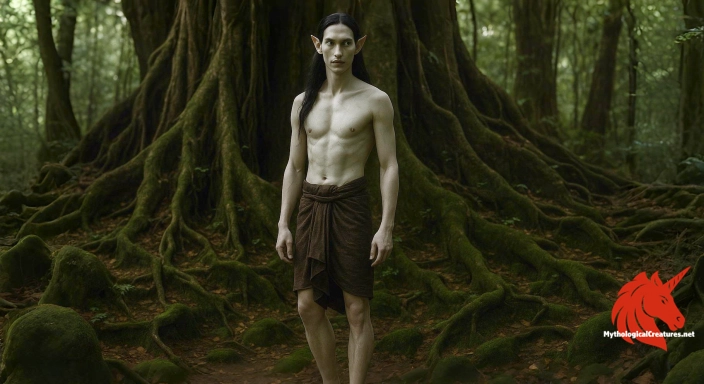
Dalaketnon
Dalaketnon - They serve as cautionary figures in folklore, warning mortals about the dangers of disrespecting nature and the supernatural realm.
the legend in five swipes.
the legend in five swipes.
How old is the legend of the Dalaketnon?
Dalaketnon are enigmatic, elf-like beings that have captured the imagination of Philippine folklore through centuries of tradition. Their mythic origins are entwined with the ancient natural landscape of the Visayas, where the sacred Dalakit trees, also known as Balete or Dakit, form the cornerstone of their identity. From the earliest pre-Hispanic auditory traditions, these creatures have been depicted as both alluring and ominous, inhabiting the twilight realm between beauty and peril. Local narratives describe them as figures who combine noble elegance with a sinister undercurrent, a duality that mirrors the complexity of nature itself. They are often portrayed in a regal manner, resembling the aristocracy of old, yet their supernatural essence remains an ever-present reminder of the mystic unknown. Over time, interpretations have balanced both their bewitching charm and their capacity for mischief and malevolence. Their story encapsulates themes of transformation, bridging the spiritual and natural worlds in a way that reflects historical and cultural values. Today, the Dalaketnon continue to symbolise the enduring power of myth, drawing together threads of ancient wisdom and contemporary reinterpretation.
Dalaketnon: How the Tale Was Told and Retold
Primary insights into the Dalaketnon emerge from a rich tapestry of oral histories and folklore collected over generations in the Philippine archipelago. Early ethnographic notes and anecdotal accounts from local communities have provided some of the first attestations of these intriguing figures. Spanish colonial records, though brief, occasionally mention similar spirit beings, offering a glimpse into the early interpretations of their dual nature. Over time, regional compilations of myths have added layers of complexity, with various storytellers highlighting different facets of their character. Some manuscripts and folklore anthologies document encounters with these beings, blending supernatural allure with cautionary elements. These narratives invariably mix awe and apprehension, reflecting a cultural fascination with the balance between natural beauty and eerie menace. Multiple story variants exist, each coloured by local circumstances and environmental relationships that the communities hold with ancient trees. Thus, the sources surrounding the Dalaketnon not only preserve the magic of traditional lore but also underscore the dynamic nature of myth-making across time and space.
Dalaketnon: Size, Shape and Strange Features
The Dalaketnon present a striking physicality that seamlessly integrates human elegance with supernatural flair. Their features are often described in vivid detail, with delicate, leaf-shaped pointed ears that immediately link them to the forest from which they emerge. The male Dalaketnon are noted for their light, almost luminescent skin contrasted by dark, sleek hair, an aesthetic that recalls the noble visages of ancient royalty. Meanwhile, the women are admired for their bronze-brown complexion paired with soft, brown hair, combining strength with an understated beauty. Their eyes are frequently depicted as reflective pools carrying the deep, secretive glow of twilight, hinting at hidden wisdom. Descriptions often include elaborate details of attire, where natural motifs and forest-inspired patterns enhance their ethereal appearance. Subtle variations in physical form appear across different accounts, but all emphasise an otherworldly, almost regal quality. In essence, their physical descriptions serve as a visual metaphor for the delicate interplay between nature’s allure and its inherent unpredictability.
What regional forms of the Dalaketnon exist?
Regional depictions of the Dalaketnon vividly illustrate how their myth adapts to local cultural and environmental contexts. In some Visayan communities, they are revered as noble, albeit capricious, entities who symbolise both beauty and latent danger. In areas where ancient Balete trees dominate the landscape, the Dalaketnon are often reimagined as guardians of these sacred natural monuments, protecting their sanctity against human encroachment. Other local narratives cast them in a more malevolent light, emphasising their role as tricksters whose charm masks a darker, more vengeful nature. Variations in their portrayal frequently reflect local attitudes towards nature and its sometimes unpredictable forces. Community rituals and folklore often incorporate these beings as cautionary figures, whose dual characteristics serve as lessons in respecting both beauty and peril. Such regional adaptations underscore the fluidity of myth, where the environment and local culture shape the very essence of supernatural beings. Ultimately, the Dalaketnon remain a versatile symbol, endlessly reinterpreted across different islands and communities in the Philippines.
Do other traditions know the Dalaketnon by another name?
When placed in a broader mythological context, the Dalaketnon invite comparisons with a spectrum of supernatural beings found in cultures around the world. Their graceful, otherworldly appearance, characterised by pointed ears and an aura of ethereal beauty, resonates with the depictions of European elves and Celtic faeries. Much like the duendes and encantados present in Spanish and Latin American folklore, these figures embody the enigmatic merging of nature, beauty, and a certain latent danger. Traits of both benevolence and malevolence are a common thread that links them to other global mythic entities, highlighting a universal human fascination with the supernatural. The dualism inherent in their nature reflects a broad cultural motif—in which the forces of nature, in all their splendour and terror, remain both revered and feared. Comparative studies reveal that such beings serve not only as embodiments of natural marvels but also as allegories for the complexities of human emotion and morality. Their myth, much like those of other fae entities, serves to remind us of the delicate balance between attraction and repulsion in the human experience. Thus, the Dalaketnon function as bridges between distinct cultural narratives, celebrated and scrutinised in equal measure across various folklore traditions.
Dalaketnon: Then and Now
The myth of the Dalaketnon has evolved considerably from its ancient roots, transitioning from oral tradition into a symbol of cultural identity in modern media. Early depictions were interwoven with the natural landscapes of pre-colonial societies, where they were celebrated as both majestic and formidable guardians of the woods. The influence of colonial narratives later added layers of moral ambiguity, sometimes casting them as figures of caution imbued with an eerie, supernatural menace. In recent decades, a resurgence of interest in indigenous mythology has restored their status as complex and multifaceted beings. Contemporary literature, art, and digital media have reimagined the Dalaketnon, fusing traditional depictions with modern fantasy elements that speak to today’s audiences. Their evolving portrayal captures a blend of historical reverence and innovative storytelling, ensuring that their mysterious allure endures. Modern reinterpretations often emphasise the tension between the sublime beauty of nature and the inherent unpredictability of supernatural forces. Ultimately, the enduring legacy of the Dalaketnon reflects not only a respect for ancient traditions but also a continual reinvention that resonates with contemporary cultural sensibilities.
Interesting Fact
Despite their alluring appearance, Dalaketnon are inherently dangerous, representing the dichotomy in Filipino mythology between natural beauty and hidden malice.
Mythological Treasures
Egyptian Legends: A field guide to the gods and monsters of ancient Egypt
Guardians of the living and devourers of the dead, with the role each played in judgement.
Chinese Beasts: A field guide to the dragons and demon kings of Chinese myth
From river dragons to demon kings, with the legends that shaped five thousand years of storytelling.
Japanese Yōkai: A field guide to the spirits and demons of Japanese folklore
Fifteen spirits, with the signs to watch for and what the old tales say to do if you meet one.
the legend in five swipes.
For serious myth projects
Feature your work alongside the legends
From academic works to story-rich games, we highlight projects that respect world mythologies. Talk to us about a measured, long-term placement.
Start a conversationQuick Creature Info
Origin:
Features:
Associations:
Our Mythic Legendary Rating:

Habitat:
Supernatural Powers:
Physical Attributes:
Abilities:
Behavior:
Lore:
Related Creatures, Tales or Lore
- DDiwata (Philippine fairy)
- TTikbalang (Philippine creature)
- UUnseelie Fae (Scottish malevolent fairies)
References
Discover Another Mythical Legend You May Not Have Heard Of?
Uncover the mysteries of ancient folklore and expand your knowledge of legendary beings from cultures around the world.
Dare to Meet the Paphia....

The Mythological Creatures Book Series
Yōkai, Greek, Norse, Egyptian & Chinese. Five illustrated field guides to the creatures the old stories either warned or told you about.

Curated by the Mythological Creatures Team
Series editor: Mythological Creatures Directory
Primary desk: Asian & Pacific Myth Cycles Desk
(rev. November 2025)