
Di sma undar jordi: Di sma undar jordi, also known as di sma, are legendary vættir-like creatures from Gotland, Sweden.
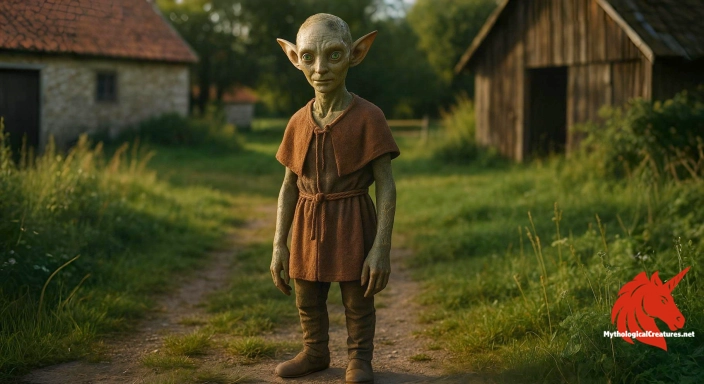
Di sma undar jordi
Di sma undar jordi - They embody the protective spirit of rural life on Gotland, rewarding proper care and punishing negligence through subtle magical means.
Origins & First Encounters
Di sma undar jordi occupy a singular and cherished niche within the Gotlandic mythos, where ancient beliefs and the rhythms of farm life intertwine. They are celebrated as small, underground custodians who silently safeguard the wellbeing of both livestock and human endeavours. Emerging from traditions that predate modern society, these beings have deep roots in the spiritual landscape of Scandinavia. Their very name, meaning 'the small ones underground', encapsulates a hidden realm that exists parallel to everyday life. Early attestations of their existence can be traced back to oral narratives shared among farming communities, where respect for nature was paramount. These legends stress that a harmonious relationship with the di sma results in bountiful harvests and a secure home. The creatures' enigmatic presence, visible only through a hole in a sheet of paper, has intrigued and mystified generations. Tales of their benevolence are interwoven with gentle admonitions to treat the land with care, emphasising that even a small act of disrespect may invoke their displeasure. In this way, di sma undar jordi remain emblematic of the enduring bond between the people of Gotland and the natural world that sustains them.
Source Texts & Tale Variants
The existence of di sma undar jordi is chiefly chronicled through a rich tapestry of oral tradition that has been passed down within Gotland’s rural communities. Early storytellers wove these beings into everyday accounts, ensuring that lessons of respect and reciprocity were never forgotten. Although there is a scarcity of formal ancient texts exclusively focused on di sma, their presence permeates broader collections of Scandinavian folklore. Ethnographic records and local anecdotes often recount encounters where these creatures are appeased through simple, respectful practices on farms. Multiple versions of the tale highlight the critical importance of careful conduct, especially during routine tasks such as disposing of hot water. Variations sometimes introduce slight differences in their portrayal, underscoring regional nuances in storytelling. Modern folklore compendiums continue to collect these narratives, cementing their role in the cultural memory of Gotland. Each recounting, whether somber or playful, reinforces the moral framework that underlies their legend. The enduring popularity of these tales has ensured that di sma undar jordi remain a vibrant element of local heritage.
Form & Powers
Descriptions of di sma undar jordi offer a glimpse into a form that is both elusive and endearingly precise in its detail. They are envisaged as diminutive beings, their small statures concealing a robust and agile presence. Often, their facial features strike a delicate balance between human familiarity and an otherworldly charm, replete with eyes that seem to sparkle with ancient wisdom. Their garments are thought to be woven from materials drawn from nature itself, echoing the hues of the garden and the fields. Local depictions sometimes integrate elements of rustic attire, complete with accents of leaves and natural fibres that symbolically connect them to the earth. A particularly intriguing trait is their visibility only when viewed through a deliberately created hole in a sheet of paper, suggesting a boundary between the seen and the unseen. Traditional artistic impressions lend them a soft, almost luminescent quality, as if they are perpetually bathed in the gentle glow of dawn or dusk. This combination of fragility and subtle strength has inspired a wealth of creative renditions across generations. Their physical portrayal, while varying from tale to tale, consistently echoes the mystique and reverence they command within the folklore.
Regional Faces
Though di sma undar jordi are most closely associated with the island of Gotland, echoes of their legend appear in neighbouring Scandinavian traditions. In other parts of Sweden, similar small guardians are woven into local lore, often under different appellations yet retaining much of the core character. Rural narratives from nearby regions sometimes emphasise a slightly altered role for these beings, portraying them as vigilant household spirits protecting not just farms but also domestic spaces. Coastal and island communities have adapted the myth to include aspects of maritime fortune and the perennial cycle of nature. Some versions of the tale accentuate a more mischievous or secretive disposition, reflective of regional superstitions about hidden forces. Drawing on familiar motifs found in the wider Nordic tradition, these spirits are sometimes likened to the revered tomte, guardians whose presence is as much a blessing as a warning. Each locale imbues the legend with its own cultural flavour, adding layers of local customs, rituals, and linguistic twists. The regional adaptations serve as a testament to the fluid nature of folklore, where a shared belief is continually reshaped by its community. Such variations not only enrich the story but also highlight the diverse ways in which society engages with the mysterious forces of nature.
Cultural Parallels
Comparative examinations reveal that di sma undar jordi share notable resemblances with other small, benevolent spirits found across northern European traditions. Their role as protectors of the household and the land evokes parallels with the Swedish tomte, a figure equally steeped in the virtues of care and cautionary reciprocity. Similar to the brownies of British lore or the mischievous kobolds of German tales, these beings operate from the margins of everyday awareness, intervening only when slight imbalances occur. Their elusive nature, requiring special conditions for visual confirmation, finds resonance in accounts of Icelandic elves who dwell just beyond the veil of perception. Such cross-cultural comparisons underline a shared human need to explain and personify the safeguarding forces of nature. Beneath the surface of each mythology lies a common thread: a subtle enforcement of respect toward one’s surroundings and a delicate balance between benevolence and retribution. These small spirits, though diverse in form and name, collectively illustrate the interwoven tapestry of European animistic traditions. The nuanced similarities and differences between these entities enrich our understanding of how communities interpret the natural world. In each culture, the underlying sentiment remains constant—a reverence for the unseen guardians that nurture and protect.
Legacy & Modern Evolution
The historical evolution of di sma undar jordi mirrors the broader shifts from a predominantly agrarian society to a modern, urbanised world. Initially rooted in the oral traditions of Gotland’s farming communities, their stories served as both moral guidance and a means of explaining the mysteries of nature. Over time, the myth has adapted, absorbing influences from evolving cultural narratives while maintaining its core emphasis on balance and respect. Contemporary reinterpretations have infused a sense of playful modernity into the legend, evidenced by the adoption of their name by a Swedish rauk'n'roll band in the 1980s. This blend of ancient lore with modern media has reinvigorated interest in di sma, ensuring that their stories continue to captivate new audiences. Modern artistic and literary representations often highlight their enigmatic nature and the intrinsic link to the environment. The digital age, with its community forums and online folklore archives, has further helped sustain and evolve their narrative. As more people seek a connection to cultural ancestry and the natural world, the legacy of these underground guardians has grown increasingly symbolic. Today, di sma undar jordi are celebrated not only as protectors of the past but also as enduring emblems of nature’s quiet omnipresence.
Interesting Fact
A particularly intriguing aspect of di sma undar jordi is that they are said to be visible only through a hole in a sheet of paper, a detail that has captivated imaginations and even inspired the name of a Swedish band.
Mythology commerce, done carefully
Align your store with our global myth audience
If you sell myth-inspired jewellery, prints, decks, or collectibles, we can feature your brand without overwhelming the reading experience.
Partner with usQuick Creature Info
Origin:
Features:
Associations:
Our Mythic Legendary Rating:

Also Sometimes Known As:
Habitat:
Supernatural Powers:
Physical Attributes:
Abilities:
Behavior:
Weaknesses:
Lore:
Related Creatures, Tales or Lore
- TTomte
- NNisse
- HHuldufólk
References
Discover Another Mythical Legend You May Not Have Heard Of?
Uncover the mysteries of ancient folklore and expand your knowledge of legendary beings from cultures around the world.
Dare to Meet the Odei....
Curated by the Mythological Creatures Team
Series editor: Mythological Creatures Directory
Primary desk: Northern & European Folklore Desk
(rev. November 2025)